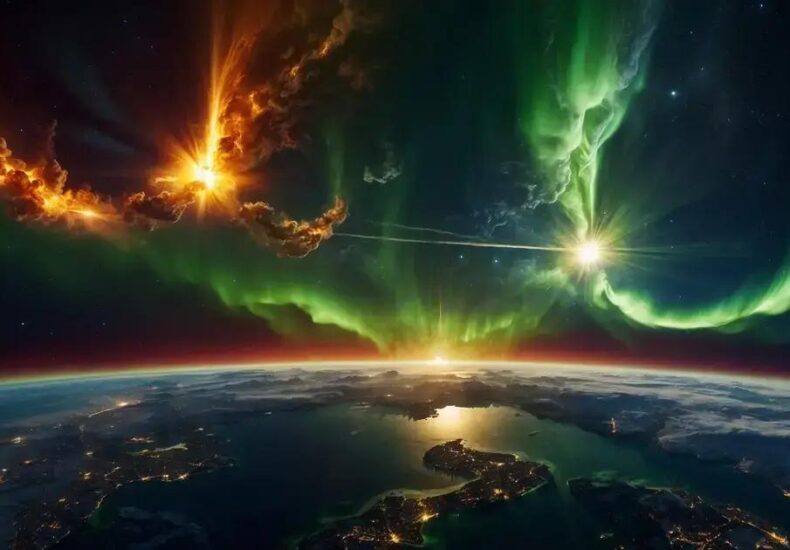
The 1921 Magnetic Storm: A Near-Repeat of the Carrington Event?
The 1921 Magnetic Storm was a major geomagnetic event similar to the Carrington Event, causing widespread disruption to telegraph and radio systems and highlighting the risks severe solar storms pose to modern technology and infrastructure.
1921 Magnetic Storm caught the attention of scientists and historians alike due to its eerie resemblance to the famous Carrington Event. Have you ever wondered what such powerful space weather means for us today? Let’s dive into what made this storm stand out and why it matters.
what was the 1921 magnetic storm?
The 1921 Magnetic Storm was a powerful geomagnetic event that disrupted Earth’s magnetic field. It occurred on May 14-15, 1921, and was one of the most intense solar storms of the 20th century. This storm caused widespread auroras visible as far south as the Caribbean and severely affected telegraph and radio communications across the globe.
Origins of the 1921 Storm
The storm originated from a massive solar flare and a coronal mass ejection (CME) from the Sun, sending charged particles hurtling toward Earth. When these particles interacted with our planet’s magnetic field, they induced electric currents in the atmosphere and on the surface, resulting in magnetic disturbances.
Impact on Technology
During the 1921 event, telegraph systems experienced outages and electrical surges, causing significant disruptions. Some railroad systems reported problems with signaling equipment. The storm’s intensity demonstrated the vulnerability of early 20th-century technology to space weather events.
Scientific Observations
Scientists of the time closely monitored the storm using magnetic observatories, recording strong fluctuations in Earth’s magnetic field. These observations helped establish a better understanding of space weather and its effects on Earth’s environment.
Understanding the 1921 Magnetic Storm is critical as it serves as a historical example of severe solar activity, emphasizing the need to prepare modern technology for similar or stronger geomagnetic storms in the future.
how did the 1921 event compare to the carrington event?
The 1921 Magnetic Storm is often compared to the Carrington Event of 1859 due to their similar intensity and effects. Both storms were caused by massive solar flares and powerful coronal mass ejections striking Earth’s magnetic field, leading to severe geomagnetic disturbances.
Intensity and Effects
The Carrington Event remains the strongest solar storm on record, producing spectacular auroras and widespread technological disruption at the time. The 1921 storm, while not as strong, exhibited comparable characteristics, causing large-scale power outages and damaging early electrical systems.
Technological Impact
During the Carrington Event, telegraph systems were famously disrupted, with some operators receiving electric shocks. The 1921 storm also affected communications, but by this time, radio technology was becoming more prevalent, and the storm caused interference in both telegraph and radio transmissions.
Scientific Understanding
The Carrington Event was the first observed solar storm known to cause geomagnetic effects on Earth, sparking initial scientific interest in space weather. By the time of the 1921 storm, researchers had a better grasp on solar-terrestrial interactions and used magnetic observatories to monitor and study the event in greater detail.
Both events highlight how intense solar storms can profoundly impact technology and society, and studying their similarities aids in preparing for future occurrences.
effects of the 1921 storm on technology and infrastructure
The 1921 Magnetic Storm had significant effects on the technology and infrastructure of the early 20th century. Telegraph lines experienced interruptions as induced currents caused equipment to malfunction. In some cases, sparks were observed along telegraph wires, posing fire hazards.
Impact on Communications
Early radio communications were notably affected by the storm. The geomagnetic interference disrupted radio signals and caused static, limiting the effectiveness of maritime and military radio transmissions. These disruptions revealed the vulnerability of emerging radio technology to space weather.
Electrical Systems and Utilities
The storm induced voltage surges in power lines, although widespread electrical grids were not yet common. Some cities reported power fluctuations and failures in electrical distribution systems, highlighting how solar storms could affect critical utilities.
Transportation and Signaling
Railroad signaling equipment also suffered occasional disruptions. Since many railway systems relied on electrical signals for safe operations, the geomagnetic storm posed risks to transportation safety and scheduling.
These effects illustrated the need to understand and mitigate the impact of geomagnetic storms on evolving technology and infrastructure, lessons that remain relevant today as modern systems grow more complex and interconnected.
scientific insights gained from studying the 1921 storm
Studying the 1921 Magnetic Storm provided scientists valuable insights into solar-terrestrial interactions. Researchers learned how solar flares and coronal mass ejections (CMEs) produce geomagnetic disturbances that affect Earth’s magnetic field.
Improved Understanding of Space Weather
The detailed observations of magnetic fluctuations helped develop models explaining how charged particles from the Sun disrupt Earth’s magnetosphere. This event confirmed that solar activity can directly impact terrestrial technology and environment.
Advances in Magnetic Monitoring
During the storm, magnetic observatories recorded sudden and intense shifts, improving measurement techniques. This led to the establishment of a more systematic approach to monitor space weather phenomena globally.
Foundation for Modern Research
The data collected in 1921 laid groundwork for later studies on geomagnetic storms and their effects on electrical grids, communication systems, and satellites. Scientists started recognizing the importance of forecasting solar storms to mitigate technological risks.
Overall, the 1921 storm deepened scientific awareness and propelled ongoing research into protecting modern society from space weather hazards.
how frequent are massive geomagnetic storms like these?
Massive geomagnetic storms like the 1921 Magnetic Storm and the Carrington Event are relatively rare but not unpredictable. These storms occur when the Sun releases large bursts of energy, such as solar flares or coronal mass ejections, aimed at Earth.
Frequency of Extreme Storms
On average, a geomagnetic storm strong enough to disrupt technology happens every few decades. The most severe events, like the Carrington Event, might occur once every 500 years or more. However, less intense storms are far more common and can still impact communications and power systems.
Solar Cycle Influence
The Sun follows an 11-year cycle of activity, with more frequent solar flares and storms during peak periods. Geomagnetic storms tend to increase in frequency and intensity near the solar maximum, making some years more prone to these events.
Monitoring and Prediction
Modern technology allows scientists to monitor the Sun’s activity closely and predict potential geomagnetic storms days in advance. This helps prepare and protect sensitive infrastructure from damage caused by charged particles interacting with Earth’s magnetic field.
Although massive storms are rare, understanding their frequency aids in risk assessment and the development of safety measures to minimize their impact.
potential risks of future storms modeled after 1921 and carrington
Future geomagnetic storms similar to the 1921 Magnetic Storm and the Carrington Event carry significant risks to modern society. With advanced technology embedded in daily life, these storms could cause widespread damage to power grids, communication networks, and satellite systems.
Power Grid Vulnerability
Strong geomagnetic storms induce electric currents in power lines, potentially leading to transformer failures and large-scale blackouts. These outages could last days or even weeks, severely impacting industries, healthcare, and essential services.
Communication and Navigation Disruption
GPS signals and satellite communications are susceptible to solar storms, causing errors in navigation, timing, and data transmission. This affects aviation, shipping, and emergency response, increasing risks in critical operations.
Space Assets at Risk
Satellites exposed to intense solar radiation may face hardware damage or operational failures. This threatens weather forecasting, military surveillance, and internet infrastructure that rely on space-based technologies.
Recognizing these risks underscores the importance of investing in space weather monitoring, developing resilient infrastructure, and creating response plans to minimize the impact of future geomagnetic storms.
preparing for the impact of strong geomagnetic storms
Preparing for the impact of strong geomagnetic storms is essential to protect modern infrastructure and maintain critical services. Governments and industries must work together to develop strategies that reduce vulnerabilities and enhance resilience.
Improving Infrastructure Resilience
Power grids can be equipped with protective devices like surge protectors and transformers designed to withstand geomagnetic induced currents. Regular maintenance and upgrades also help reduce the risk of prolonged outages.
Early Warning Systems
Space weather monitoring satellites and ground-based observatories provide early warnings of incoming solar storms. This information allows utilities and communication providers to implement protective measures swiftly, such as temporarily shutting down sensitive equipment.
Emergency Preparedness
Establishing comprehensive emergency response plans ensures quick recovery after disruptions. Public awareness programs educate people about potential impacts and safety measures during geomagnetic storms.
Collaboration between scientists, engineers, and policymakers is key to safeguarding technology and society from the effects of future strong geomagnetic storms.
Understanding and Preparing for Future Magnetic Storms
The 1921 Magnetic Storm and the Carrington Event remind us how powerful space weather can impact our modern world. As technology becomes more advanced and interconnected, the risks from such storms increase.
By studying past storms and investing in monitoring, infrastructure protection, and emergency planning, we can better prepare for future events. Awareness and proactive measures are key to minimizing damage and ensuring the safety of critical systems.
Staying informed and ready will help society face the challenges posed by these natural but potentially disruptive phenomena.
FAQ – Understanding the 1921 Magnetic Storm and Its Impact
What was the 1921 Magnetic Storm?
The 1921 Magnetic Storm was a strong geomagnetic storm caused by solar flares and coronal mass ejections that disturbed Earth’s magnetic field, affecting technology at the time.
How did the 1921 storm compare to the Carrington Event?
The 1921 storm was similar in intensity and impact to the Carrington Event, both causing major disruptions to telegraph and radio communications and producing visible auroras.
What technologies were affected by the 1921 storm?
Telegraph lines, early radio communications, power grids, and railroad signaling equipment all experienced disruptions during the 1921 magnetic storm.
How often do massive geomagnetic storms occur?
Severe geomagnetic storms like the 1921 or Carrington events happen roughly once every few decades to centuries, with smaller storms occurring more frequently, especially near the solar maximum.
What risks do future storms posed after events like 1921 and Carrington?
Future storms could cause major power outages, disrupt satellite and GPS systems, damage communication networks, and impair navigation and emergency services.
How can we prepare for strong geomagnetic storms?
Preparation includes improving infrastructure resilience, implementing early warning systems, adopting emergency response plans, and educating the public about space weather risks.
You may also like




Leave a Reply