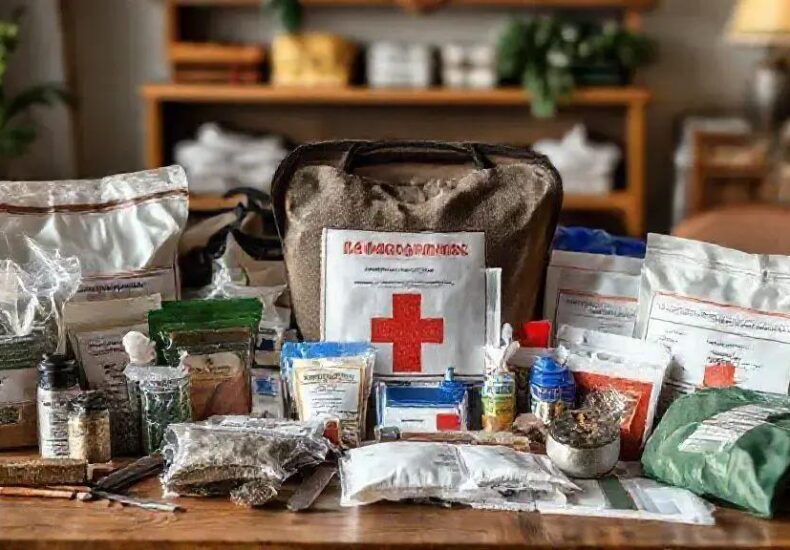
53 Essentials for Your Home Survival Kit: Be Prepared
A comprehensive home survival kit includes essential items like food, water, medical supplies, tools, and personal protection gear. Creating a detailed checklist ensures you are well-prepared for emergencies, helping keep you and your family safe and healthy during any crisis.
Are you ready for emergencies? Building a Survival Kit is crucial, and knowing what to include can make all the difference. Let’s dive into the essentials!
Introduction to Home Survival Kits
When it comes to preparing for emergencies, a home survival kit is a must. This kit is your safety net during unexpected situations. It should be filled with items that can help you and your family survive for various lengths of time.
Start with the basics. Food and water are the top priorities. Think about non-perishable items like canned goods, dried fruits, and energy bars. Don’t forget about storing enough water. A good rule is to have at least one gallon per person, per day.
Next, consider medical supplies. A first aid kit is essential. This kit should include band-aids, antiseptic wipes, and any personal medications you might need. Keep it up to date!
Tools can be lifesavers. Flashlights, a multi-tool, and batteries should be part of your kit. You might also want a manual can opener. Communication is key in emergencies. A battery-powered radio can provide important updates, especially if the power goes out.
Lastly, don’t forget about safety and comfort items. Blankets, warm clothing, and hygiene supplies can make a big difference. Ensure your kit is easy to reach and check it regularly. Be prepared, stay safe!
Essential Food Supplies
Food is a key part of your home survival kit. In an emergency, you want food that lasts. Choose non-perishable items so you don’t have to worry about spoilage.
Canned foods are great. They have a long shelf life and are easy to prepare. Think about vegetables, fruits, and meats. They’re not just filling; they add variety to your meals.
Dried foods will also help. Items like rice, beans, and pasta can provide essential carbs. They’re light and easy to store. Plus, they can serve as the base for many different dishes.
Snacks are important, too. Granola bars, nuts, and dried fruit can keep your energy up. They’re good options when you need something quick.
Don’t forget about special dietary needs. If you or someone in your family has allergies, make sure to include safe options. Always check expiration dates and rotate your food supplies to keep everything fresh.
Having the right food supplies can make a huge difference. It can keep you and your loved ones fed and healthy during tough times.
Water Storage and Purification
Water is vital for survival. You can’t last long without it. That’s why having a good plan for water storage is key.
Start by storing clean water. Aim for at least one gallon per person, per day. Find sturdy containers that are food-safe and leak-proof. You can buy water storage barrels or use clean plastic bottles.
Next, learn about water purification. You can’t always trust water sources. It’s important to make sure that the water you have is safe to drink.
Boiling water is one simple way to purify it. Just bring it to a rolling boil for at least one minute. If you’re at high altitudes, boil it for three minutes.
Another option is water purification tablets. They’re easy to carry and use. Just follow the instructions on the package. They can kill bacteria and viruses.
Filters are also useful. There are many types, like pump filters and straw filters. They can remove impurities and make water safe to drink.
Having a proper system for water storage and purification is essential. It keeps you hydrated and healthy during emergencies.
Fire Starting Equipment
Fire starting equipment is essential for survival situations. Fire provides warmth, cooks food, and can signal for help. It’s important to include the right tools in your kit.
First, consider waterproof matches. They’re reliable and easy to use. Keep them stored in a safe case to avoid damage. Lighters are also good options. A butane lighter can ignite a fire quickly.
Strikers and flint are great fire starters, too. They create sparks that can start a blaze. Carrying a fire starter kit can be a smart choice. Many kits include everything you need, like tinder and flint.
Tinder is crucial for getting a fire going. You can use dry leaves, bark, or commercial tinder. Having something to help your fire catch is a must.
Know how to use your tools effectively. Practice lighting a fire in safe conditions. This way, you’ll be ready when the time comes.
Remember that safety is key when working with fire. Always have a way to put it out, like water or sand. Fire starting equipment is a crucial part of your survival kit.
Shelter and Security Supplies
Shelter and security supplies are vital during emergencies. They protect you from harsh weather and keep you safe. Start by considering a sturdy tent. A good tent can shield you from rain and wind.
Emergency blankets are another great option. They’re lightweight and can trap heat. Plus, they take up little space in your kit.
Tarps are useful, too. You can use them for multiple purposes, like making a shelter or covering supplies. They’re durable and can withstand rough weather.
Don’t forget about rope or paracord. It’s great for tying down shelter or securing items. A good cut of rope can solve many problems in the wild.
For security, consider a whistle. It can alert others if you’re in trouble. Flashlights and headlamps are also key. They can help you see in the dark and keep you safe.
Lastly, have a first aid kit on hand. It’s essential for treating injuries. Make sure it’s stocked with basic supplies like bandages and antiseptic wipes.
Having appropriate shelter and security supplies will help you stay safe and comfortable in emergencies.
Tools and Medical Supplies
Having the right tools and medical supplies is crucial in a survival kit. They can help you fix problems and treat injuries quickly. Start with basic tools. A multi-tool is very handy. It combines several functions, like a knife, bottle opener, and screwdriver.
A good quality knife is also important. It can be used for cutting and preparing food. You might even want a small hatchet for chopping wood.
Next, don’t forget about medical supplies. A well-stocked first aid kit is essential. It should include band-aids, gauze, and antiseptic wipes. Pain relievers like ibuprofen can also be helpful.
If anyone in your family has special medical needs, include their prescriptions. Having extra medication can save lives.
Flashlights and extra batteries are important tools too. They help you see in the dark and keep you safe. A fire starter, as mentioned earlier, is crucial for cooking and warmth.
Remember that organization is key. Keep your tools and medical supplies in a specific spot in your kit. This way, you can find what you need quickly during emergencies.
Clothing and Personal Protection
Clothing and personal protection are key parts of your home survival kit. They keep you warm, dry, and safe from the elements. Start with weather-appropriate clothing. Layering is important because it helps you adjust to changing conditions.
Wear a good quality jacket that is both warm and waterproof. This way, you stay dry when it rains or snows. Don’t forget sturdy, comfortable shoes. Boots with good grips can help you navigate rough terrain.
Include extra pairs of socks in your kit. Wet feet can lead to discomfort and even illness. Make sure your clothes are made from materials that dry quickly.
Personal protection gear is also important. Consider including items like gloves and masks. Gloves can protect your hands when handling tools or food, while masks can help during dust storms or smoke.
Sun protection is vital too. Pack sunglasses and sunscreen to shield your skin and eyes. These items can prevent sunburns during long days outdoors.
Always think about your local climate and environment when choosing clothing and protection items. Being prepared can make a big difference in stressful situations.
Hygiene and Sanitation Needs
Hygiene and sanitation are essential during emergencies. Staying clean can help prevent sickness. Start with basic hygiene supplies. Pack items like soap, hand sanitizer, and toothbrushes. These items help keep you and your family healthy.
Included wipes can also be handy. They’re easy to use when water isn’t available. Look for biodegradable options to be kind to the environment.
Don’t forget toilet paper! It’s a necessity. You might also want to pack a small trowel for digging a pit if you need to go outdoors. It helps maintain cleanliness in your area.
Consider feminine hygiene products too. Ensure you have enough supplies like pads or tampons. These items are important for comfort and health.
Having a trash bag in your kit is another smart idea. It helps keep your area clean and prevents attracting pests.
Staying on top of hygiene is vital during tough times. This can help maintain health and morale for everyone involved.
Important Documents to Include
Keeping important documents handy is crucial during emergencies. They can help you prove your identity and access services. Start by gathering copies of essential documents.
Keep a copy of your identification, like a driver’s license or passport. It’s important for identification purposes. Don’t forget birth certificates for you and your family members.
Financial documents are also essential. Include copies of bank statements and insurance policies. These documents can be critical for claiming assistance.
It’s a good idea to have medical records, especially if anyone has special health needs. This can include vaccination records and prescriptions.
Store these copies in a waterproof bag. This will protect them from damage. Consider having a digital backup as well. This way, you can access them even if physical copies are lost.
Being organized with important documents can make recovery easier during stressful times. Always know where these items are located in your survival kit.
Creating a Comprehensive Checklist
Creating a comprehensive checklist is a smart way to prepare your home survival kit. A checklist helps ensure you don’t forget anything important. Start by listing all the main categories.
Begin with food and water. Make sure to note the amounts you’ll need. Next, add hygiene and sanitation supplies. Include items like soap, toilet paper, and wipes.
Then, move on to tools and medical supplies. List essential items like a multi-tool and first aid kit. Don’t forget fire-starting equipment and shelter items.
Be specific about clothing and personal protection gear. Note the sizes and types of clothing you’ll need. This can include jackets, boots, and gloves.
Keep your checklist updated regularly. Before an emergency, check off each item that you have collected. This will ensure you are fully prepared when you need your kit.
Using a checklist can make packing and preparing much easier. It can also help reduce stress in times of crisis.
You may also like



Leave a Reply