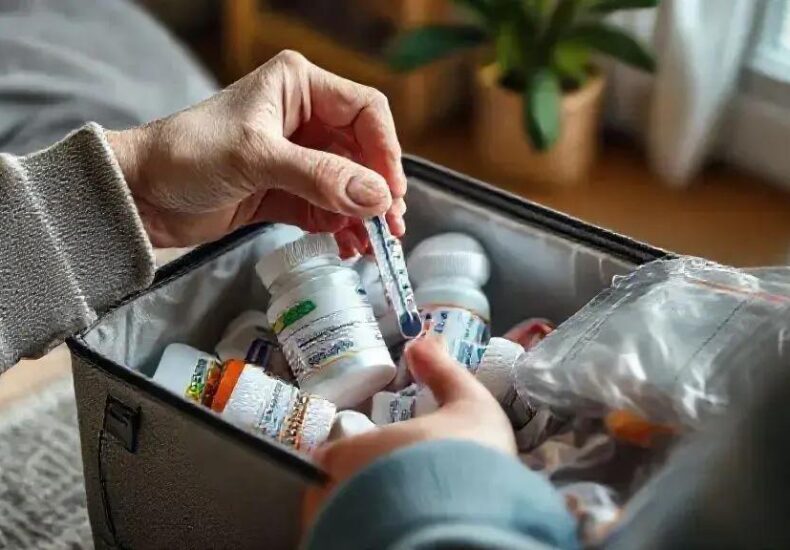
Ensuring Medication Safety in No-Power Conditions
Self-sufficiency in ensuring medication safety during no-power conditions involves proper storage, temperature control, backup power solutions, medication organization, and knowing when to seek medical advice to maintain effectiveness and prevent health risks.
Self-sufficiency with medications during power failures isn’t just smart; it can be lifesaving. Have you ever wondered how to keep your medicines safe and effective when the lights go out? Let’s explore practical ways to protect your health even in no-power situations.
understanding medication safety without power
Understanding medication safety without power is crucial for managing your health during outages. Many medicines require specific storage conditions, particularly temperature control, to remain effective. Without electricity, refrigeration and climate control can fail, risking medicine spoilage.
Key factors to consider include: knowing which medicines must be kept cold, recognizing signs of drug deterioration, and having alternative storage methods ready.
For example, insulin and certain vaccines need consistent refrigeration between 36°F and 46°F. In no-power situations, keeping these medications at a safe temperature using coolers or ice packs becomes essential.
Additionally, reading medication labels and consulting healthcare providers ahead of time can help you create a safety plan. This preparation supports medication self-sufficiency and protects your health when power is unavailable.
challenges of storing medicines in power outages
Storing medicines during power outages presents several challenges that can affect their effectiveness and safety. Most critical is the inability to maintain the recommended temperature, as many drugs require refrigeration to prevent breakdown.
Another challenge is limited access to monitoring tools, such as thermometers or smart medication storage devices, making it difficult to know if medicines are kept at safe temperatures. This uncertainty can lead to accidental use of spoiled medications.
Power outages may also disrupt supply chains, causing difficulties in obtaining replacements or refills. Without power, electronic reminders for medication schedules can be unavailable, increasing the risk of missed doses.
Resolving these challenges demands planning, such as having backup cooling options and manual tracking systems. Understanding these risks will help in maintaining medication safety and effectiveness during outages.
how to keep medicines effective during no power
Keeping medicines effective during no power situations requires careful planning and action. First, it is important to identify which medications need cold storage and prioritize maintaining their temperature.
Using a cooler with ice packs can provide temporary refrigeration. Rotate ice packs regularly and keep the cooler in a cool, shaded place to maximize effectiveness. Avoid opening the cooler frequently to maintain a steady temperature.
Monitoring temperature is crucial; consider using a simple thermometer inside the cooler to track conditions. If possible, prepare a backup power source, like a generator or battery-powered refrigerator, designed specifically for medications.
For medicines that do not require refrigeration, store them in a dry, cool spot away from direct sunlight or heat sources. Keep medicines organized and labeled clearly to avoid confusion during emergencies.
Lastly, consult your pharmacist or healthcare provider for specific advice on handling your medications during power outages. Preparation and knowledge are key to maintaining medicine effectiveness without power.
tools for medication management offline
Managing medications offline requires reliable tools to maintain safety and accuracy when digital devices aren’t an option. A medication organizer with compartments for days and times helps prevent missed or doubled doses. These organizers are portable and easy to use during power outages.
Paper-based systems like medication charts or logs are essential for recording doses and schedules manually. Keeping a printed list of your medications, dosage instructions, and refill dates ensures you have access to critical information without power.
Manual pill splitters can be useful for adjusting dosages safely. Additionally, using a simple analog timer or watch can help remind you when it’s time to take your medicines if electronic reminders fail.
For more advanced preparations, consider a battery-operated pill dispenser that can function during outages. These devices can alert you visually or audibly, improving adherence when power is lost.
Combining multiple offline tools ensures medication management remains accurate and safe even when technology is unavailable.
importance of temperature control for medicines
The importance of temperature control for medicines cannot be overstated. Many medications require storage within specific temperature ranges to maintain their effectiveness and safety. Without proper temperature control, medicines can degrade, losing potency or becoming unsafe to use.
For instance, vaccines, insulin, and certain antibiotics must be kept refrigerated between 36°F and 46°F. Exposure to higher or freezing temperatures can cause irreversible damage. Even room temperature medicines can be affected by excessive heat or humidity.
Monitoring temperature regularly helps ensure that your medicines stay within safe limits. Using thermometers in medicine storage areas, such as refrigerators or coolers, allows you to track conditions and take action if temperatures become unsafe.
During power outages, maintaining stable temperatures becomes a challenge. Using insulated coolers with ice packs or backup power solutions helps protect temperature-sensitive medications. Understanding and respecting these temperature requirements safeguards your health by preserving medication effectiveness.
emergency kit essentials for medication self-sufficiency
An effective emergency kit for medication self-sufficiency includes several essential items to ensure safety and accessibility during power outages or other emergencies. At the core are basic medications that cover common health needs like pain relief, allergies, and digestive issues.
Include a first aid kit with bandages, antiseptics, and tools for minor injuries. Having extra doses of critical prescription medicines, preferably in waterproof containers, helps maintain treatment continuity.
Temperature control tools, such as small ice packs or insulated bags, are important for storing temperature-sensitive medicines safely. Add a manual pill splitter and a simple pill organizer to manage dosages efficiently.
Paper copies of prescriptions, dosage schedules, and important medical information are vital when digital devices are unavailable. Also pack a basic thermometer and gloves for hygiene and accurate health monitoring.
Combining these items creates a robust kit that supports medication self-sufficiency even when power and technology fail.
role of backup power solutions for medicine safety
Backup power solutions play a critical role in maintaining medicine safety during power outages. Many medications need constant refrigeration or controlled temperatures. Losing power can quickly degrade these medicines and reduce their effectiveness.
Generators provide a reliable source of energy, allowing refrigerators and freezers to continue working even in extended outages. When using generators, it is important to operate them safely outdoors to avoid carbon monoxide poisoning.
Portable battery packs and solar-powered refrigerators are alternative options for short-term power support. These devices enable storage of temperature-sensitive medicines without relying solely on the main power supply.
Investing in uninterruptible power supplies (UPS) can protect critical medical devices, such as insulin pumps or electronic pill dispensers, ensuring they continue functioning during outages.
Choosing the right backup power method depends on your specific needs and the duration of typical outages. Planning ahead with proper equipment enhances medication safety and helps maintain your health in unpredictable situations.
tips for organizing medications in emergencies
Organizing medications during emergencies requires simple yet effective strategies to ensure quick access and prevent mistakes. Start by sorting medicines into clear categories, such as daily medications, emergency drugs, and supplements. Using labeled containers or pill organizers helps keep doses separate and easy to find.
Maintaining an updated list of medications with dosages, expiry dates, and special instructions is critical. Store this list in waterproof and easy-to-carry folders to keep it safe and accessible.
Keep medications in a cool, dry place, and use containers that protect against moisture and light. Packing medications in a dedicated emergency bag or kit allows for easy transport if evacuation becomes necessary.
Regularly check your medication supplies to remove expired items and replenish stocks. Having an organized, well-maintained system reduces anxiety and ensures you can respond promptly during emergencies.
Clear labeling and separation prevent accidental mix-ups, improving safety and adherence to treatment plans when you need it most.
when to seek professional medical advice
Knowing when to seek professional medical advice during no-power conditions is vital for your safety. If you notice signs such as severe allergic reactions, unusual side effects, worsening symptoms, or if you miss critical doses of medication, it’s important to contact a healthcare provider immediately.
Do not hesitate to seek help if your medication requires adjustments due to changes in storage conditions or illness progression. Emergencies like difficulty breathing, chest pain, or sudden dizziness demand urgent medical attention, regardless of power availability.
Telehealth services can offer guidance when in-person visits are not possible. Prepare contact information for your doctor, pharmacy, and local emergency services in your emergency kit to ensure quick access to help.
Always prioritize professional advice if you are unsure about medication safety, symptoms, or treatment changes during power outages. This approach protects your health and prevents complications.
building long-term medication self-sufficiency plans
Building long-term medication self-sufficiency plans involves careful preparation and ongoing management. Start by assessing your medication needs, including prescriptions, over-the-counter drugs, and supplements. Maintain an emergency stockpile with enough supply to cover extended power outages or sudden disruptions.
Establish communication with your healthcare provider and pharmacy to create refill plans and discuss alternatives if medication access becomes limited. Regularly review expiration dates and rotate stock to keep medicines effective.
Invest in reliable storage solutions, such as insulated containers and backup power sources, to protect temperature-sensitive medications over time. Develop a written plan detailing storage, usage, and monitoring procedures, and ensure all family members understand it.
Consider learning basic skills like pill splitting, dose management, and recognizing signs of medicine spoilage. Staying informed about your health conditions empowers you to make safe decisions independently when necessary.
Consistency, communication, and preparation form the foundation of effective long-term medication self-sufficiency, helping you maintain health despite unpredictable power challenges.
Ensuring Medication Safety During Power Outages
Being prepared for no-power conditions is essential to keep your medications safe and effective. By understanding storage needs, organizing medicines properly, and using backup solutions, you can avoid health risks and maintain your treatment plans.
Developing a self-sufficiency plan and knowing when to seek professional help will give you confidence in managing your health during emergencies. Simple tools and careful planning make a big difference when power is out.
Taking these steps ensures your well-being and peace of mind, no matter what challenges arise.
FAQ – Ensuring Medication Safety in No-Power Conditions
What should I do if my medication loses power-dependent refrigeration?
Try to use a cooler with ice packs to keep the medication at a safe temperature and consult your pharmacist for specific advice on its safety.
How can I organize my medications for emergencies?
Use labeled pill organizers, keep an updated list of medications with dosages, and store them in waterproof containers for easy access during emergencies.
What are some essential tools for medication management without power?
Medication organizers, printed medication logs, analog timers, and battery-operated pill dispensers can help manage medications effectively when there is no power.
When should I seek professional medical advice during a power outage?
Seek immediate help if you experience worsening symptoms, severe side effects, miss critical medication doses, or face emergency health issues like chest pain or difficulty breathing.
How can backup power solutions help with medication safety?
Backup power such as generators or solar-powered refrigerators keep temperature-sensitive medicines safe by maintaining refrigeration during power outages.
What is the importance of having a long-term medication self-sufficiency plan?
It ensures that you have enough medication supply, proper storage, and a clear plan to manage your medicines safely during extended power outages or emergencies.
You may also like


Leave a Reply