
New AI Tools for Predicting Solar Flares Gain Accuracy
AI tools enhance solar flare prediction accuracy by analyzing vast solar data with machine learning, improving forecasts that protect satellites, power grids, and communication systems from space weather disruptions.
AI Tools are reshaping the way scientists predict solar flares, those powerful cosmic bursts that can disrupt communications and power grids. Have you ever wondered how these predictions affect your daily life or technology? Let’s dive into the advances making these forecasts more accurate and why they matter beyond just science.
how AI tools analyze solar activity patterns
AI tools analyze solar activity patterns by processing vast amounts of data collected from satellites and solar observatories. These tools use machine learning algorithms to detect subtle changes in the sun’s magnetic fields and solar radiation levels that often precede solar flares.
Data Collection and Processing
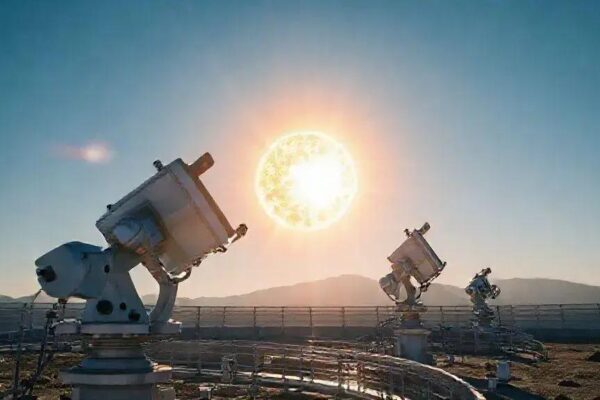
Data from space-based instruments like solar telescopes are continuously fed into AI systems. The AI models then filter noise and extract key features from this data, such as sunspot formations and changes in solar wind speed.
Pattern Recognition
Using historical data on past solar flares, AI tools identify patterns that indicate potential flare activity. This involves comparing current solar observations against established markers and predicting the likelihood of a flare.
Real-time Monitoring
AI systems provide real-time analysis by constantly monitoring solar activity and alerting scientists to early warning signs. This capability is crucial for timely predictions and minimizing the impact of solar flares on Earth.
By integrating multiple data sources and advanced algorithms, AI tools significantly improve the accuracy and speed of solar flare forecasting, helping protect our technology-dependent society.
the impact of accurate solar flare prediction
Accurate solar flare prediction has a significant impact on protecting vital technology and infrastructure on Earth. Solar flares can disrupt satellite communications, GPS signals, and power grids, causing costly damage and outages. With improved forecasts, operators can take preventive measures to minimize these risks.
Protecting Communication Systems
Telecommunication satellites are vulnerable to solar radiation, leading to signal loss or data corruption during strong flares. Accurate predictions allow companies to adjust satellite operations and maintain service reliability.
Safeguarding Power Grids
Solar flares can induce geomagnetic storms that overload electrical grids. Early warnings enable grid operators to reduce load or temporarily shut down critical components, preventing blackouts and equipment damage.
Supporting Space Missions
Solar activity poses risks to astronauts and spacecraft electronics. Precise flare forecasts help mission planners schedule activities and shield sensitive equipment from harmful radiation.
Overall, accurate solar flare prediction plays a crucial role in minimizing economic losses and enhancing public safety by ensuring that key technologies withstand solar weather events.
key technologies behind new AI tools
The new AI tools for predicting solar flares rely on several key technologies that enhance their accuracy and speed. One vital component is machine learning, which allows systems to learn from vast historical solar data and identify patterns invisible to traditional methods.
Deep Learning Models
Deep learning, a subset of machine learning, uses neural networks that mimic the human brain. These models analyze complex solar images and sensor data to detect early signs of flare activity.
Big Data Analytics
Solar observation generates huge volumes of data daily. Big data technologies store and process this information efficiently, enabling AI tools to access up-to-date and comprehensive datasets for analysis.
Real-time Data Integration
Combining data from satellites, ground-based observatories, and space weather sensors in real time helps AI systems provide immediate predictions and updates.
Advanced Algorithms
Probabilistic and predictive algorithms evaluate the likelihood of solar flares, improving forecast reliability by constantly refining their models with new data.
All these technologies working together allow AI to deliver faster and more accurate solar flare predictions, helping scientists and industries better prepare for space weather impacts.
challenges in solar flare forecasting
Solar flare forecasting faces several challenges that make accurate predictions difficult. One major issue is the complexity of the sun’s behavior. Solar activity involves many interacting physical processes that are not fully understood, limiting the ability of models to capture all relevant factors.
Data Limitations
While satellites provide extensive data, there can be gaps or noise in the information collected. This affects the quality of inputs for AI models and can reduce prediction accuracy.
Variability of Solar Activity
The sun’s activity is highly variable and sometimes unpredictable. Unexpected solar events can occur with little precursor signs, making them hard to forecast.
Model Generalization
AI models trained on historical data may struggle to predict rare or extreme events. Ensuring models generalize well across different solar cycles is a continuous challenge.
Computational Constraints
Processing vast datasets in real time requires significant computational resources. Balancing speed and accuracy is essential to deliver timely forecasts.
Addressing these challenges requires ongoing research, improved data collection, and advancing AI techniques to enhance solar flare forecasting reliability.
the role of space weather in daily life
Space weather, driven by solar flares and other solar activities, plays a critical role in daily life by affecting many technologies we rely on. When solar flares occur, they can send charged particles toward Earth, impacting satellites, communication systems, and even electrical power grids.
Impact on Communication Systems
Radio signals, GPS navigation, and satellite TV can be disrupted by solar storms. This can affect everything from airplane navigation to the functioning of mobile phones.
Effects on Power Grids
Strong geomagnetic storms induced by solar activity can cause fluctuations in power lines. Electrical blackouts and equipment damage can occur if power companies are not prepared for these events.
Influence on Satellite Technology
Satellites in orbit are exposed to increased radiation during solar storms. This can degrade hardware, shorten satellite lifespans, and interrupt services such as weather forecasting and internet access.
Health and Safety Considerations
While space weather mostly affects technology, astronauts and high-altitude flights can be exposed to harmful radiation during intense solar events.
Understanding the role of space weather helps industries and governments take preventive measures to reduce risks and protect critical infrastructure, ensuring our daily activities remain uninterrupted.
practical applications of solar flare predictions
Solar flare predictions have many practical applications that benefit industries and everyday life. One major application is in satellite operations, where accurate forecasts help operators protect sensitive electronics from solar radiation damage.
Improving Aviation Safety
Airline companies use solar flare forecasts to adjust flight routes, especially over polar regions where solar radiation exposure is higher. This helps safeguard crew and passengers from increased radiation levels.
Enhancing Power Grid Management
Electric utilities use predictions to prepare for geomagnetic storms that can disrupt power grids. They can adjust load distribution or temporarily shut down vulnerable infrastructure to prevent blackouts.
Securing Communication Networks
Telecom providers rely on solar flare data to anticipate and mitigate disruptions to radio, GPS, and satellite communication systems, ensuring continuous service.
Supporting Space Missions
Space agencies use flare forecasts to protect astronauts and spacecraft by scheduling spacewalks and activating shielding during high solar activity periods.
These practical uses of solar flare prediction showcase how AI-enhanced forecasts play a vital role in protecting technology and human activity from space weather hazards.
future trends in AI-powered space weather models
The future of AI-powered space weather models is promising, with ongoing advances set to improve accuracy and timeliness of solar flare predictions. Emerging techniques in machine learning will enable models to process even larger datasets, including real-time solar imagery and sensor data, enhancing the detection of subtle precursors to solar activity.
Integration of Quantum Computing
Quantum computing is expected to revolutionize space weather modeling by tackling complex calculations much faster than current systems, allowing for quicker and more precise forecasts.
Enhanced Data Fusion
Future models will combine data from diverse sources such as satellites, ground-based observatories, and even space probes, creating comprehensive views of solar dynamics for better predictions.
Adaptive Learning Algorithms
AI systems will evolve using adaptive algorithms that continuously learn from new solar events, improving their ability to forecast rare and extreme solar flares.
Greater Accessibility
Advances in cloud computing and AI platforms will make sophisticated space weather tools accessible to more researchers, industries, and governments worldwide.
With these innovations, AI-powered space weather models will play an essential role in safeguarding technology and infrastructure from solar flare impacts in the years ahead.
how to stay informed about solar flare risks
Staying informed about solar flare risks is essential for industries and individuals affected by space weather. One effective way is to subscribe to space weather alerts provided by organizations such as NOAA’s Space Weather Prediction Center (SWPC) and NASA. These agencies offer real-time updates via websites, email, and mobile apps.
Use Mobile Apps and Websites
Several mobile applications provide notifications about solar flare activity, geomagnetic storms, and other space weather events. Regularly checking trusted websites can also keep users informed about current solar conditions.
Follow Official Social Media Channels
Following space weather organizations’ social media accounts ensures timely updates and expert insights. These channels often share forecasts, warnings, and educational content.
Subscribe to Industry-specific Alerts
Businesses reliant on satellites, aviation, or power grids should consider subscribing to specialized alerts tailored to their operational needs for more precise risk management.
Engage with Educational Resources
Understanding solar flares and their effects through webinars, articles, and online courses helps individuals and organizations interpret alerts accurately and respond appropriately.
By leveraging these sources, people can stay proactive and minimize disruptions caused by solar flare risks.
Understanding and Using AI Tools for Solar Flare Prediction
AI tools are making solar flare predictions more accurate, helping us better prepare for space weather effects. These predictions protect vital technologies like power grids, satellites, and communication systems.
By staying informed and supporting advancements in AI-powered forecasting, we can reduce risks and improve safety for our daily lives and industries. The future of solar flare prediction looks bright with continued innovation.
FAQ – Frequently Asked Questions About AI Tools in Solar Flare Prediction
What are AI tools for solar flare prediction?
AI tools use machine learning and data analysis to predict solar flares by examining patterns in solar activity and space weather data.
Why is predicting solar flares important?
Predicting solar flares helps protect satellites, power grids, communication systems, and astronauts from harmful space weather effects.
How accurate are AI-based solar flare predictions?
AI-based predictions are becoming more accurate due to advanced algorithms and access to large datasets, but some challenges remain due to the sun’s complex behavior.
How can I stay informed about solar flare risks?
You can stay informed by subscribing to alerts from space weather agencies like NOAA and NASA, using mobile apps, and following official social media channels.
What industries benefit from solar flare predictions?
Industries such as satellite communications, aviation, power utilities, and space missions rely heavily on accurate solar flare forecasts to minimize risks.
What is the future of AI in space weather forecasting?
The future includes integrating quantum computing, enhanced data fusion, adaptive learning algorithms, and broader accessibility to improve prediction speed and reliability.
You may also like



Leave a Reply