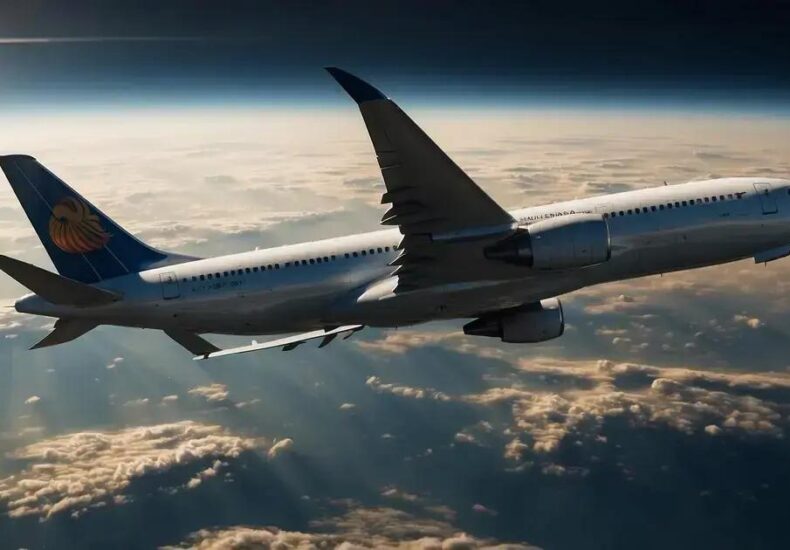
Air Travel at Risk: Navigating Flight Paths Around Solar Events
Air travel risks from solar events include communication blackouts, navigation errors, and increased radiation exposure, which airlines mitigate through rerouting, real-time space weather monitoring, advanced technology, and crew training to ensure flight safety during solar storms.
Have you ever wondered about the hidden challenges pilots face? Air Travel Risks linked to solar events are more common than you might think. These cosmic disruptions can impact flying conditions and safety, pushing airlines to adapt constantly.
understanding solar events and their impact on aviation
Solar events are natural phenomena that originate from the sun, including solar flares, coronal mass ejections (CMEs), and geomagnetic storms. These events release vast amounts of energy and charged particles into space, which can reach Earth and disrupt normal conditions. In aviation, understanding solar events is crucial because they can interfere with the electronic systems planes rely on, such as communication and navigation equipment.
Solar flares emit intense bursts of radiation that can quickly affect radio communication between aircraft and ground control, especially on polar routes. Coronal mass ejections release clouds of solar plasma that can disturb the Earth’s magnetic field, leading to geomagnetic storms. These storms cause fluctuations in the ionosphere, complicating GPS signals and radar operations used during flights.
When solar activity peaks, usually during the 11-year solar cycle, airlines must monitor space weather closely to adjust flight plans and maintain safety. Unexpected solar events can cause sudden blackouts in high-frequency radio communications, forcing pilots to rely on alternative methods. Understanding these events helps aviation experts develop strategies to minimize risks, preventing potential delays, communication loss, or navigation errors.
Real-time monitoring tools from space agencies provide data on current solar activity, enabling airlines to forecast disturbances. This knowledge allows for better preparedness and safer flight routes, especially over regions more vulnerable to solar radiation exposure, like the poles.
how solar activity affects flight communication and navigation
Solar activity can significantly impact flight communication and navigation systems used in aviation. The main challenge comes from solar flares and geomagnetic storms, which release high-energy particles and radiation that interact with Earth’s atmosphere. These interactions disturb radio signals pilots and air traffic controllers rely on, especially in the high-frequency (HF) bands over polar and remote routes.
Communication disruptions caused by solar events can lead to radio blackouts, making traditional voice contact unreliable or impossible. This situation requires pilots to use alternative communication methods, such as satellite-based systems when available. However, these methods may also experience interference depending on solar storm intensity.
Navigation systems, particularly those using GPS signals, are vulnerable as well. Solar activity can cause anomalies in the ionosphere, leading to degraded GPS accuracy or temporary signal loss. This poses a risk to flight safety since precise positioning is critical during takeoff, landing, and when flying in complex airspace.
To manage these risks, airlines and aviation authorities rely on space weather forecasts to predict solar disturbances. They may reroute flights away from polar regions or adjust altitudes to minimize exposure to ionospheric interference. Continuous monitoring and coordination ensure essential communication and navigation capabilities are maintained during solar events.
Overall, understanding the ways solar activity affects aviation systems helps the industry adapt and keep air travel safe in the face of these natural space weather challenges.
risks posed by solar radiation to passengers and crew
Solar radiation poses unique risks to passengers and crew during air travel, especially on high-altitude and polar flights where the atmosphere offers less protection. Cosmic rays and energetic particles from solar events can penetrate the aircraft, leading to increased exposure to radiation. Although the doses are generally low, frequent flyers and aircrew may experience higher cumulative levels, raising health concerns.
Excessive exposure to solar radiation can affect cellular structures and DNA, potentially increasing the risk of cancer and other health issues over time. Pregnant crew members are particularly vulnerable, as radiation exposure may impact fetal development.
Airlines and aviation authorities track solar activity to manage flight routes and altitudes, aiming to reduce radiation exposure during intense solar storms. Radiation monitoring systems on some flights provide data to assess the levels passengers and crew receive. This information is critical for making adjustments to schedules and flight paths when necessary.
Passengers can reduce risk by limiting frequent travel on polar routes during periods of high solar activity. Crew members often follow strict guidelines and receive training about radiation risks, allowing them to take preventive measures as part of occupational health protocols.
Ongoing research continues to improve understanding of solar radiation’s impact on health, helping the aviation industry develop better safety standards for everyone on board.
strategies airlines use to reroute flights during solar storms
During solar storms, airlines implement several strategies to maintain safety and minimize disruptions. One common approach is rerouting flights away from polar regions where solar radiation and communication disruptions are strongest. These areas are more exposed to the effects of geomagnetic storms, so avoiding them reduces the risk of navigation and communication failures.
Flight altitudes may also be adjusted as part of these strategies. Changing altitude can help pilots avoid increased radiation levels and improve signal reception for communication and GPS navigation. Airlines rely on space weather forecasts to determine the safest altitudes and routes during solar events.
Collaborations with aviation authorities and space weather centers allow airlines to receive timely updates and adapt flight plans quickly. These institutions provide real-time data on solar storm intensity and potential impacts, enabling proactive decision-making.
In some cases, airlines may delay or cancel flights if conditions are too severe. This measure protects passengers and crew from radiation exposure and possible communication blackouts. Airlines also train their staff to handle these disruptions effectively to maintain safety and minimize inconvenience.
Technology plays a key role, with advanced monitoring systems tracking both aircraft position and space weather. These tools support dynamic rerouting and help maintain reliable communication channels throughout the flight.
technology advancements helping monitor space weather in real-time
Recent technology advancements have greatly improved the ability to monitor space weather in real-time, providing important benefits to aviation safety. Satellites equipped with sensors can detect solar flares, coronal mass ejections, and other solar activities as they happen. This live data helps predict the timing and severity of space weather events that could affect flights.
Ground-based observatories complement satellite data by tracking changes in Earth’s magnetic field and ionosphere. These stations use advanced instruments to measure solar wind and radiation levels, offering crucial information for accurate forecasting.
Modern software tools integrate this data and deliver alerts and detailed analysis to airlines and air traffic controllers. These alerts allow aviation professionals to respond quickly by adjusting flight routes, altitudes, and communication methods during solar storms.
Improved forecast models use artificial intelligence and machine learning to predict space weather impacts with greater accuracy. This progress helps airlines plan well in advance and reduce risks linked to sudden solar activity changes.
Overall, these technologies work together to give the aviation industry a clearer picture of the space environment, enabling safer and more reliable air travel amid the challenges posed by solar events.
case studies of flights affected by solar events
Several notable cases show how solar events have impacted commercial flights, highlighting the challenges airlines face during intense solar activity. In October 2003, during the “Halloween Storms,” a series of powerful solar flares and coronal mass ejections caused widespread radio blackouts. Flights over the North Pole had to be rerouted to avoid losing communication, causing delays and longer travel times.
In 2012, a massive solar storm narrowly missed Earth but served as a wake-up call for the aviation industry. Airlines reviewed their emergency protocols, focusing on rerouting flights and protecting crew from increased radiation. This event emphasized the need for better real-time space weather monitoring.
In 2017, during a significant solar flare event, parts of the U.S. air traffic control system experienced communication disruptions. Several transpolar flights were diverted to lower latitudes to maintain reliable contact with ground stations. This event showcased the importance of flexible flight planning in response to solar activity.
These case studies reveal the direct effects solar events have on navigation, communication, and the health of passengers and crew. Airlines continue learning from each incident to improve safety measures and minimize the impact of future solar storms.
preparing for air travel disruptions caused by solar activity
Preparation for air travel disruptions due to solar activity involves careful planning and communication among airlines, air traffic controllers, and passengers. Airlines monitor space weather forecasts closely to anticipate periods of increased solar activity that might affect flights.
Contingency plans include rerouting flights, adjusting schedules, and informing crews about potential risks. Airlines also prepare alternative communication methods in case primary systems fail during solar storms.
Passengers can stay informed by checking flight status updates and being aware of possible delays or cancellations during high solar activity. It’s advisable to allow extra travel time and maintain flexibility when planning trips in these periods.
Crew training is essential for handling unexpected situations caused by solar disruptions, ensuring safety and maintaining calm during communication or navigation issues. Airlines follow established protocols to protect crew and passengers from higher radiation levels, especially on polar routes.
Coordination with global space weather monitoring agencies ensures that the aviation industry receives timely alerts. This collaborative approach helps minimize disruptions and enhances overall flight safety despite the challenges of solar events.
future outlook: improving flight safety around solar events
The future of flight safety around solar events relies on continuous improvements in technology and international cooperation. Advancements in space weather forecasting will provide earlier and more accurate warnings, allowing airlines more time to adjust flight paths and protect passengers and crew.
Innovative shielding technologies are being researched to better protect both aircraft systems and occupants from increased radiation during solar storms. New materials and designs could reduce the impact of harmful particles on electronics and human health.
Improved onboard sensors will offer real-time data on radiation levels and communication performance, enabling pilots to make informed decisions during flights affected by solar activity. AI-powered systems may automate alerts and suggest optimal adjustments to flight plans.
Global cooperation among space weather agencies, aviation authorities, and airlines is vital for sharing data and resources. Unified guidelines and protocols will enhance preparedness and standardize responses worldwide.
Public awareness campaigns and crew training will continue to evolve, ensuring everyone involved understands the risks and how to respond effectively. As research advances, the aviation industry aims to maintain a high standard of safety despite the growing challenges posed by solar events.
Understanding and managing air travel risks from solar events
Solar events pose real challenges to flight safety, communication, and navigation. However, with growing technology, better forecasting, and careful planning, airlines can minimize disruptions and protect passengers and crew.
Ongoing research and global cooperation will further improve how the aviation industry handles solar activity. Staying informed and prepared is key to safe air travel in a universe affected by these powerful solar forces.
By embracing innovations and maintaining vigilance, air travel can become safer, even when the sun is at its most active.
FAQ – Air Travel Risks and Solar Events
What are the main solar events that affect air travel?
Solar flares, coronal mass ejections (CMEs), and geomagnetic storms are the main solar events that can disrupt flight communication, navigation, and safety.
How does solar activity impact flight communication?
Solar activity can cause radio blackouts and interfere with high-frequency communication, especially on polar routes, making it harder for pilots to maintain contact with ground control.
Are passengers and crew at risk from solar radiation during flights?
Yes, especially on high-altitude and polar flights, passengers and crew can be exposed to increased radiation, which may raise health concerns over time.
What strategies do airlines use to handle flights during solar storms?
Airlines may reroute flights away from polar regions, adjust altitudes, delay or cancel flights, and use alternative communication methods to ensure safety during solar storms.
How is technology helping improve flight safety around solar events?
Advancements in satellites, ground observatories, AI-powered forecasting, and real-time monitoring enable better predictions and quicker responses to space weather impacts on aviation.
What can passengers do to prepare for disruptions caused by solar activity?
Passengers should stay informed about space weather forecasts, expect possible delays or reroutes, and maintain flexibility in their travel plans during periods of high solar activity.
You may also like




Leave a Reply