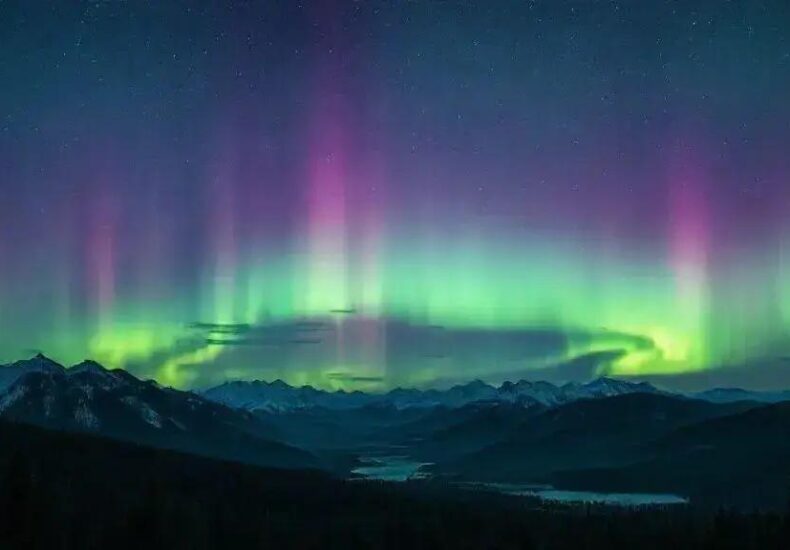
Are All Auroras a Sign of Impending Disaster? Understanding the Science
Auroras are natural light displays caused by solar particles interacting with Earth’s magnetic field and atmosphere, and while historically linked to disaster myths, scientific evidence shows they do not indicate impending danger.
Auroras Disaster? Many wonder if these stunning light shows in the sky actually warn us of looming catastrophes. Are auroras just beautiful natural events or signals we should take seriously? Let’s explore the science behind the glow.
what causes auroras and how do they form
Auroras occur when charged particles from the sun collide with gases in Earth’s atmosphere. These particles are mostly electrons and protons, which are carried by solar winds and enter the planet’s magnetic field. When they interact with gases like oxygen and nitrogen, they excite these atoms, causing them to emit light. This is why we see the beautiful colors of the aurora in the sky.
The role of Earth’s magnetic field
Earth’s magnetic field acts as a shield, directing the charged particles toward the polar regions. The particles follow magnetic field lines and collide with the atmosphere near the poles, creating spectacular light shows called aurora borealis in the north and aurora australis in the south.
Colors and shapes of auroras
The colors seen in auroras depend on the type of gas and the altitude of the collision. Oxygen typically produces green and red light, while nitrogen causes blue or purplish colors. Auroras can appear as curtains, arcs, or flickering waves, all shaped by the movement of charged particles and magnetic forces.
Understanding this natural process helps us appreciate auroras as a stunning visual display caused by solar activity and Earth’s protective magnetic environment.
historical beliefs linking auroras to disasters
Throughout history, many cultures have viewed auroras as omens of disaster or significant change. Ancient people often associated the mysterious lights with events like wars, famines, or natural calamities. For example, Norse mythology linked the aurora borealis to the glow from the shields of the Valkyries, seen as harbingers of battle.
Folklore and cultural interpretations
In some Native American traditions, auroras were believed to be spirits dancing or signaling warnings. Similarly, in medieval Europe, auroras were sometimes seen as signs of divine displeasure or impending hardship. These interpretations arose due to the auroras’ sudden appearance and striking visual impact, which could be linked to fear of the unknown.
Scientific understanding was absent
Before modern science explained auroras, their unpredictable nature and eerie colors fueled superstitions. The lack of knowledge about solar activity or magnetic fields meant auroras were mysterious and sometimes feared. Today, we know auroras are natural phenomena caused by interactions between solar wind and Earth’s magnetosphere, not direct warnings of danger.
scientific evidence on auroras and geomagnetic storms
Auroras are closely linked to geomagnetic storms, which occur when the solar wind interacts with Earth’s magnetic field. These storms are caused by bursts of charged particles from the sun, often during solar flares or coronal mass ejections. When these particles reach Earth, they can enhance auroral activity, making the lights brighter and more widespread.
How geomagnetic storms affect auroras
During a geomagnetic storm, the increased flow of solar particles into the atmosphere energizes atoms and molecules, producing intense displays of auroras. Scientists monitor these storms using satellites and ground-based instruments to predict when auroras will be visible and to understand the storm’s strength.
The science behind aurora forecasting
Advanced technology allows researchers to forecast geomagnetic storms by observing solar activity. This helps warn power grids and communication systems that could be disrupted. Importantly, while auroras are linked to these storms, they are not direct signs of disaster but rather a natural consequence of solar events.
how space weather can impact earth and technology
Space weather refers to conditions on the sun and in the solar wind that can affect Earth and its technological systems. Solar flares and geomagnetic storms can disrupt satellite communications, GPS signals, and even power grids. These effects occur when charged particles interfere with electronic devices or induce electric currents in infrastructure.
Impact on satellites and communication
Solar storms can cause satellites to malfunction or degrade their performance. This affects everything from weather forecasting to phone and internet services. Astronauts in space are also at risk due to increased radiation during intense solar activity.
Effects on power grids and navigation systems
Geomagnetic storms can induce currents in power lines, potentially causing blackouts. Navigation systems relying on GPS may experience inaccuracies, which can disrupt aviation and maritime operations. Understanding space weather is vital to protect these systems and prepare for possible outages.
Scientists use satellites and ground stations to monitor solar activity and issue warnings to minimize these impacts. Improvements in forecasting help industries and governments take precautions to protect vital technology during solar events.
distinguishing auroras from actual disaster warnings
Auroras are often mistaken for signs of disaster due to their striking appearance, but it is important to distinguish auroras from actual disaster warnings. Auroras are natural light displays caused by solar activity, not direct indicators of earthquakes, storms, or other emergencies.
Understanding natural phenomena versus warnings
While auroras might coincide with geomagnetic storms, these storms do not usually cause immediate harm to people or property. Real disaster warnings come from specialized agencies using scientific data, such as weather forecasts, seismic monitors, or tsunami alerts.
Why confusion happens
Misinterpretations happen because auroras can look dramatic and unpredictable. Some cultures have linked them to bad luck or omens, creating myths that spread fear. However, scientific monitoring separates these beautiful sky shows from actual threats.
In modern times, it’s best to rely on official channels for emergency alerts rather than assuming that natural displays like auroras signal impending disaster.
common misconceptions about auroras and danger
Many misconceptions surround auroras and their supposed link to danger. One common myth is that auroras are direct signs of natural disasters like earthquakes or severe storms. In reality, auroras are just beautiful atmospheric phenomena caused by solar activity and do not predict specific events on Earth.
Myth: Auroras cause disasters
Some believe that the lights themselves bring bad luck or have harmful effects, but scientifically, auroras are harmless. They are the result of charged solar particles hitting Earth’s atmosphere and creating light displays, not agents of destruction.
Myth: Auroras occur only before disasters
Auroras appear regularly during periods of solar activity, which happens regardless of earthly events. Their appearance before some incidents is purely coincidental and not causal.
Understanding the truth
Scientific studies show no link between auroras and impending danger. Instead, efforts focus on studying space weather to protect technologies and infrastructure. Separating fact from fiction helps reduce unnecessary fear and allows people to appreciate auroras for their natural beauty.
how to safely enjoy auroras without fear
Enjoying auroras is a magical experience, and there is no need to fear these natural light displays. Auroras are completely safe to watch from the ground and do not pose any threat to people or animals. To safely enjoy them, choose dark, open areas away from city lights for the best view.
Tips for safe aurora watching
Dress warmly as auroras are often visible in cold, northern regions during late fall and winter. Bring a comfortable chair or blanket, and be prepared for long periods outdoors. Avoid looking directly at devices like phones or cameras to preserve your night vision.
Respect nature and local rules
Many prime aurora viewing spots are in natural parks or reserves. Follow all local regulations, and stay on marked paths to protect the environment. Being mindful ensures the area remains beautiful and accessible for others.
Finally, use official space weather forecasts or apps to increase your chances of seeing strong auroral displays. Remember, auroras are natural gifts of light caused by solar activity and should be enjoyed with wonder, not fear.
future research and monitoring of auroral activity
Future research on auroral activity focuses on better understanding the sun’s behavior and its effects on Earth. Scientists use satellites, ground stations, and advanced computer models to monitor solar winds and magnetic fields. This helps improve predictions of auroras and related space weather.
Advances in monitoring technology
New satellites and instruments provide detailed observations of solar particles and magnetic storms. These tools allow real-time tracking of solar flares and coronal mass ejections, which help forecast when auroras will appear and how strong they might be.
Importance of global cooperation
Monitoring auroras requires collaboration between countries. Shared data and research improve warning systems that protect power grids, satellites, and communications worldwide. This cooperation ensures a better understanding of space weather impacts.
As technology advances, researchers expect to gain deeper insights into auroral processes, enhancing our ability to enjoy these natural light displays safely and predict their occurrence with greater accuracy.
Understanding Auroras and Their Meaning
Auroras are stunning natural displays caused by interactions between solar particles and Earth’s magnetic field. Although they have been linked to disaster myths in the past, science shows they do not directly signal danger.
Modern research and technology help us predict auroral activity and the impacts of space weather, protecting our technology and infrastructure. By learning more, we can safely enjoy these beautiful lights and separate fact from fiction.
Remember to rely on official warnings for disasters, and appreciate auroras as a natural wonder, not a threat. Continued study and global monitoring will improve our understanding even further, making auroras a source of awe rather than fear.
FAQ – Common Questions About Auroras and Their Impact
What causes auroras to appear in the sky?
Auroras are caused by charged particles from the sun interacting with Earth’s magnetic field and atmosphere, producing beautiful light displays.
Are auroras a sign of impending disaster?
No, auroras are natural phenomena and do not directly signal any disasters. They are simply visual effects of solar activity.
Can auroras affect technology on Earth?
Yes, strong solar activity that causes auroras can also impact satellites, power grids, and communication systems due to geomagnetic storms.
How can I safely enjoy watching auroras?
Watch auroras from dark, open areas away from city lights. Dress warmly and use official space weather forecasts to plan your viewing.
Why did people historically believe auroras were linked to disasters?
Before scientific understanding, people interpreted auroras’ strange and sudden lights as omens or warnings of bad events based on cultural myths and fears.
How do scientists monitor and predict auroral activity?
Scientists use satellites, ground stations, and computer models to track solar winds and magnetic storms. This helps forecast auroras and protect technology.
You may also like



Leave a Reply