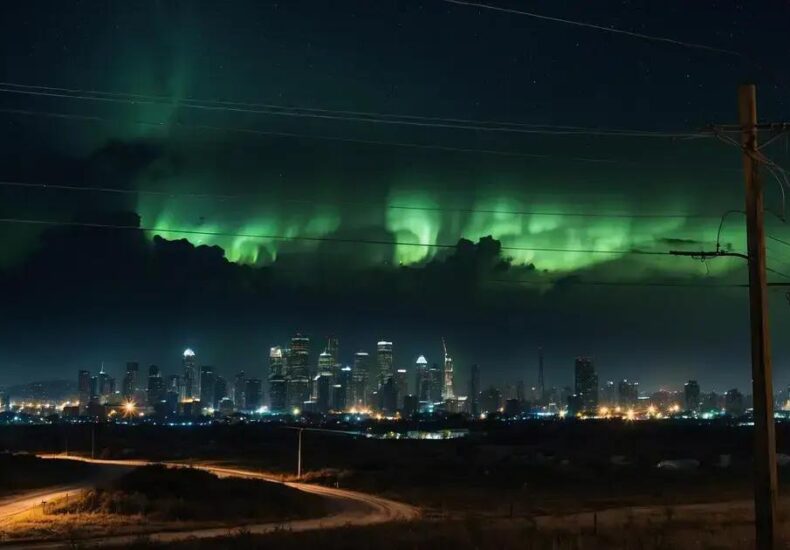
Separating Fact from Fiction: Solar Storms and Global Blackouts
Blackouts caused by solar storms occur when charged particles from the sun induce currents that damage power grids, but modern monitoring and protective technologies help prevent widespread, long-term outages.
Curious about Blackouts Fact/Fiction and whether solar storms could really plunge the world into darkness? This topic sparks questions that many wonder about—do these powerful solar events truly threaten our power grids? Let’s break down what’s real and what’s just speculation.
understanding solar storms and their origins
Solar storms are powerful bursts of radiation and charged particles released from the sun’s surface. These events occur when the sun’s magnetic field suddenly reorganizes, causing eruptions called solar flares or coronal mass ejections (CMEs).Coronal mass ejections are massive clouds of solar plasma and magnetic fields that travel through space and can reach Earth within days.
Types of Solar Storms
Solar storms mainly include solar flares and CMEs. Solar flares emit intense light and radiation, affecting satellite communications. CMEs, on the other hand, pose a greater threat to power grids due to their strong magnetic fields that interact with Earth’s magnetosphere.
How Solar Storms Originate
The sun’s magnetic field lines can become twisted and tangled because of the sun’s rotation and convective motions. This tension can be suddenly released, producing solar flares or CMEs. These events release huge amounts of energy and charged particles into space.
Understanding these origins helps scientists forecast solar storms. Space weather monitoring satellites track solar activity to provide early warnings of potential disruptions.
The Role of the Sun’s Cycle
Solar activity follows an approximately 11-year cycle, with periods of high and low activity. During the solar maximum, storms are more frequent and intense, increasing the chances of impacting Earth.
Solar storms and their origins are critical to understanding the risks they pose and preparing for their effects on technology and infrastructure.
how solar storms can disrupt power grids
Solar storms can disrupt power grids through a process called geomagnetic disturbance (GMD). When charged particles from a solar storm hit Earth’s magnetic field, they create fluctuations that induce strong electrical currents in long conductors like power lines.
Geomagnetically Induced Currents (GICs)
Geomagnetically induced currents flow through electrical grids and can overload transformers, causing damage and potentially leading to large power outages. These currents can heat equipment and interrupt normal grid operations.
Impact on Power Transformers
Transformers are critical components in power distribution. GICs can cause transformers to overheat, fail, or even catch fire. Since transformers are expensive and time-consuming to replace, this can result in long-lasting blackouts.
Historical Examples
For instance, the 1989 Quebec blackout was triggered by a severe solar storm that caused widespread transformer failures and a nine-hour power outage affecting millions.
Vulnerability Factors
Regions at higher latitudes and with older electrical infrastructure tend to be more vulnerable. The layout and length of power lines can also influence the level of risk from solar storms.
Preventive Measures
Grid operators implement protective strategies like real-time monitoring of geomagnetic activity, grid reconfigurations, and installing protective devices to reduce the impact of GICs.
Understanding how solar storms disrupt power grids is essential for building resilience and minimizing potential damage to critical electrical infrastructure.
historical cases of blackouts linked to solar activity
Several historical blackouts have been linked to solar activity, highlighting the real risks posed by solar storms. One of the most famous events occurred in 1989, when a massive solar storm caused the Hydro-Québec power grid in Canada to collapse. This nine-hour blackout affected millions of people and showed how vulnerable modern infrastructure can be to space weather.
The Carrington Event of 1859
The strongest recorded solar storm, known as the Carrington Event, caused telegraph systems across Europe and North America to fail and even sparked fires in telegraph offices. Though the electrical grid was less developed then, this event demonstrated the sun’s power to disrupt technology.
Other Notable Blackouts
In 2003, a solar storm caused disturbances in South Africa’s power grid, leading to outages and equipment damage. Similarly, multiple smaller storms have triggered localized power disruptions worldwide, but advancements in monitoring are helping reduce impacts.
Lessons Learned
These cases emphasize the importance of monitoring solar activity and preparing infrastructure for geomagnetic disturbances. They serve as real-world examples where solar storms went beyond scientific theory and affected daily life.
distinguishing myths from facts about solar-induced blackouts
There are many myths surrounding solar-induced blackouts that can create unnecessary fear or misunderstanding. One common myth is that solar storms will instantly cause global, long-term blackouts. In reality, while solar storms can disrupt power grids, widespread and permanent blackouts are very rare due to modern protections.
Myth: Every Solar Storm Causes a Blackout
Not every solar storm has the energy or trajectory to affect Earth’s power grids significantly. Most solar storms pass without causing major problems due to Earth’s magnetic field and the design of power infrastructure.
Fact: Solar Storms Can Cause Temporary Disruptions
Power grids can experience fluctuations, and satellites may face communication issues during intense solar storms. Utilities monitor solar activity closely and may take preventive action to minimize impact.
Myth: We Are Powerless Against Solar Storms
Advancements in technology have improved warning systems and grid resilience. Protective devices and operational strategies help reduce damage and keep the power flowing during solar events.
Fact: Preparation and Awareness Are Key
Governments and utilities work together to understand and mitigate the risks of solar storms. Public knowledge about these events helps people prepare for any temporary disruptions.
Understanding the facts versus myths about solar-induced blackouts helps reduce panic and promotes informed readiness.
the role of modern technology in blackout prevention
Modern technology plays a crucial role in preventing blackouts caused by solar storms. Advanced monitoring systems track solar activity in real time, allowing power grid operators to prepare for potential disruptions. Satellites equipped with specialized instruments detect solar flares and coronal mass ejections before they reach Earth.
Grid Protection Systems
Smart grid technology includes protective devices that can isolate affected sections automatically, reducing damage and preventing widespread outages. Geomagnetic monitoring equipment helps detect dangerous levels of induced currents in power lines.
Advanced Forecasting Models
Using data from space weather satellites and ground sensors, scientists develop forecasting models to predict the timing and severity of solar storms. These models inform utility companies so they can adjust operations, such as reducing load or temporarily shutting down vulnerable equipment.
Automated Response and Control
Automation within power grids enables faster responses to solar storm threats. Systems can reroute power or activate backup sources, minimizing blackout risks. Operators receive alerts and can make informed decisions swiftly.
Benefits of Technology Integration
Integrating technology improves grid resilience and helps avoid costly equipment damage. It also enhances communication between utilities, government agencies, and emergency services to coordinate blackout prevention strategies.
Modern technology’s role in blackout prevention represents a significant step forward in protecting critical infrastructure from solar storm impacts.
potential global impact of a severe solar storm today
A severe solar storm hitting Earth today could disrupt global infrastructure on an unprecedented scale. The interconnectedness of modern systems means that disturbances in one area can quickly ripple worldwide. Power grids, satellite communications, GPS navigation, and even aviation could face significant challenges.
Power Grid Failures
Power grids would be among the most vulnerable. Large-scale geomagnetic storms can induce currents that damage transformers and electrical equipment, potentially causing blackouts lasting days or weeks in affected regions.
Communication Disruptions
Satellites essential for communication and GPS signals may be disturbed or go offline temporarily. This can affect global internet connectivity, navigation systems, and emergency services, complicating disaster response.
Impact on Aviation
Airlines may need to reroute flights to avoid increased radiation at high altitudes and polar routes often affected by solar storms. This can lead to delays and increased fuel costs.
Economic and Social Consequences
The combined effects of power outages and communication failures could disrupt daily life, commerce, and financial markets. Industries dependent on electricity and digital networks would face severe interruptions.
Preparing for the potential global impact involves improving infrastructure resilience, developing emergency protocols, and international cooperation to mitigate risks from solar storms.
steps to prepare for possible blackout scenarios
Preparing for possible blackout scenarios caused by solar storms starts with understanding the risks and taking proactive measures. Households and businesses can create emergency plans that include alternative power sources such as generators or battery backups.
Essential Supplies
Stocking up on essentials like water, non-perishable food, batteries, flashlights, and first aid kits helps ensure safety during outages. Communication devices like battery-powered radios can keep people informed.
Protecting Electrical Devices
Using surge protectors and unplugging sensitive electronics during solar storm warnings can reduce damage. Installing whole-home surge protection provides additional security for electrical systems.
Community and Government Preparedness
Engaging with community emergency plans and staying informed through local authorities and space weather alerts is vital. Governments also develop strategies to support critical infrastructure and respond to severe blackouts.
Personal Safety Measures
During blackouts, it’s important to avoid using elevators, keep refrigerators closed to preserve food, and use alternative lighting safely to prevent fires.
Taking steps to prepare for blackout scenarios enhances resilience and reduces the impact of unexpected power losses caused by solar storms.
government and industry measures against solar threats
Governments and industries worldwide recognize the threat posed by solar storms and have implemented several measures to reduce risk. Coordination between space weather agencies, power companies, and emergency response teams is critical.
Monitoring and Early Warning Systems
Space weather monitoring satellites provide real-time data on solar activity. Agencies like NOAA’s Space Weather Prediction Center issue alerts to utilities and government bodies to prepare for incoming solar storms.
Infrastructure Hardening
Power grids and communication networks are being upgraded with equipment designed to withstand geomagnetic disturbances. This includes installing transformers with better tolerance to geomagnetically induced currents and using surge protectors.
Emergency Preparedness Planning
Governments develop contingency plans that include grid shutdown procedures, backup power supplies, and rapid response teams. Regular drills help ensure readiness for potential solar storm impacts.
International Collaboration
Solar storms affect the entire planet, so international cooperation is vital. Organizations share data and strategies to improve global resilience and coordinate efforts to mitigate impact.
Government and industry measures aim to protect critical infrastructure and minimize disruptions from solar storms through technology, planning, and cooperation.
future research and innovations in blackout resilience
Future research is focused on improving blackout resilience through advanced technologies and innovative approaches. Researchers are exploring new materials for transformers that can better withstand geomagnetic disturbances and developing smart grid systems that adapt in real time to space weather threats.
Artificial Intelligence and Machine Learning
AI and machine learning are being used to analyze vast amounts of space weather data to enhance prediction accuracy. These tools help utilities anticipate solar storms earlier and optimize their response strategies.
Advanced Materials and Equipment
Innovations include the development of more robust transformers and protective devices that can tolerate higher levels of geomagnetically induced currents, reducing the risk of damage during solar events.
Decentralized Energy Systems
Microgrids and distributed energy resources, such as solar panels and battery storage, increase resilience by allowing parts of the grid to operate independently during blackouts.
International Research Collaborations
Global cooperation accelerates progress in understanding solar storm impacts and developing standardized resilience measures.
Investment in future research and innovations is vital to protect power infrastructure and minimize the effects of solar storm-induced blackouts.
Understanding and Preparing for Solar Storm Blackouts
Solar storms present real challenges to our power grids and technology, but knowing the facts helps reduce unnecessary fear. Advances in monitoring, technology, and emergency planning are strengthening our ability to withstand these events.
By separating myth from reality and investing in future research and innovations, governments, industries, and individuals can better prepare for possible blackouts. Cooperation and preparedness are key to minimizing impacts and protecting daily life from solar storm threats.
Staying informed and taking proactive steps ensures we face solar storms with resilience, not alarm.
FAQ – Separating Fact from Fiction: Solar Storms and Global Blackouts
What causes solar storms and how do they affect Earth?
Solar storms are caused by eruptions on the sun’s surface, releasing radiation and charged particles that can disrupt Earth’s magnetic field and technology.
Can solar storms cause widespread blackouts?
Severe solar storms can induce currents that damage power grids, potentially causing blackouts, but modern technology helps reduce the likelihood and duration of outages.
How can we distinguish myths from facts about solar-induced blackouts?
Many believe solar storms cause instant global blackouts, but only strong storms affect specific regions temporarily. Monitoring and protections help minimize impact.
What technology is used to prevent blackouts from solar storms?
Advanced monitoring satellites, smart grid protection systems, and automated control help detect solar activity early and protect power infrastructure.
How can individuals prepare for possible blackout scenarios?
Preparing emergency supplies, using surge protectors, staying informed about solar storm warnings, and having a disaster plan help reduce blackout impacts.
What measures are governments and industries taking against solar threats?
They monitor space weather, harden infrastructure, develop emergency plans, conduct drills, and collaborate internationally to enhance resilience against solar storms.
You may also like

Leave a Reply