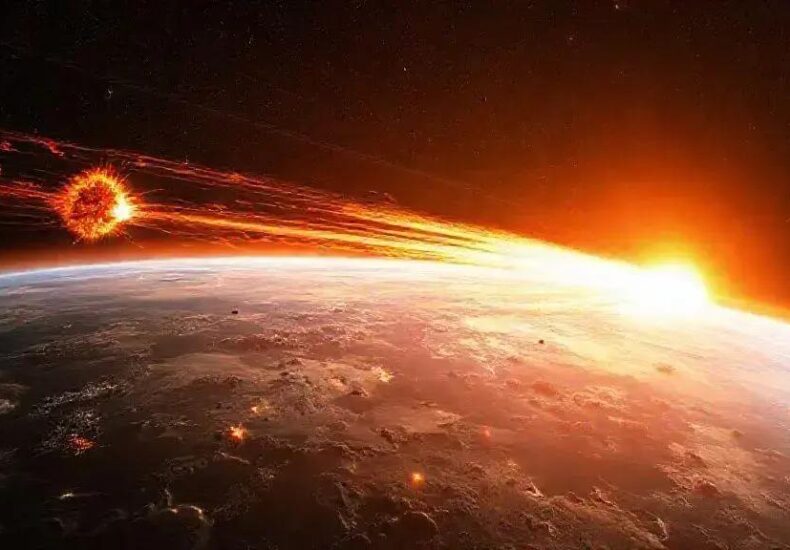
CME Impact: Anticipated Geomagnetic Storm and Its Effects on December 9
A Coronal Mass Ejection (CME) can cause geomagnetic storms, impacting technology and providing a chance to see stunning auroras. These events can disrupt satellites and power grids, while auroras may illuminate skies in regions close to the poles and even further south.
On December 9, a CME is set to strike Earth, prompting a geomagnetic storm warning. Are you prepared to witness the stunning auroras it may create?
What is a Coronal Mass Ejection (CME)?
A Coronal Mass Ejection, or CME, is a big burst of solar wind and magnetic fields rising above the solar corona or being released into space. These clouds of charged particles can travel across the solar system.
CMEs usually happen during the peak of solar activity in an 11-year cycle. When the sunspot number is high, so is the chance for a CME. Although they can happen at any time, strong CMEs are more frequent during solar maximum periods.
When a CME travels toward Earth, it can cause geomagnetic storms. These storms occur when the charged particles collide with Earth’s magnetic field. The interaction can lead to stunning displays of auroras, also known as the Northern and Southern Lights.
In short, a CME is like a solar storm that can affect our planet. Understanding CMEs helps us know how to prepare for their effects.
Understanding Geomagnetic Storms and Their Classes
Geomagnetic storms are caused by disruptions in Earth’s magnetic field. These disruptions happen when solar wind or CMEs strike Earth. The storms can affect technology and cause beautiful auroras.
Geomagnetic storms are classified into categories. These classes range from weak to severe, based on their strength. The classification helps scientists understand their potential impact.
There are three main classes: minor, moderate, and severe. Minor storms, also called G1 storms, usually have little to no impact. Moderate storms, known as G2, can disrupt some navigation systems. Severe storms, or G3, can cause major problems for satellites and power grids.
When a strong storm hits, it can produce stunning auroras. These natural light displays can be seen near the poles and, on rare occasions, even in lower latitudes.
Knowing about geomagnetic storms and their classes helps us prepare better. We can take steps to protect our technology and enjoy the beauty of nature’s light shows.
Effects of the Upcoming CME on Technology
The upcoming CME could cause significant effects on our technology. When the CME reaches Earth, it may disrupt satellite signals and GPS systems. This can lead to navigation problems and communication delays.
Power grids are also at risk during a CME event. High levels of solar activity can cause voltage fluctuations. These fluctuations may result in power outages or damage to transformers. Utilities monitor these events closely to protect their systems.
Airlines should also take caution. Flights at high altitudes may be rerouted to avoid radiation from the storm. This ensures passenger safety and minimizes disruptions.
Internet and television services may face interruptions as well. As the CME interacts with Earth’s atmosphere, it can create radio frequency interference. This impact can affect our daily communication.
Staying informed about CMEs helps everyone prepare. Understanding their potential effects on technology ensures we’re ready for any disruptions that may occur.
Predicted Auroras and Viewing Locations
The predicted auroras from the upcoming CME are sure to excite many. When solar particles collide with Earth’s atmosphere, they create stunning light displays. These are known as auroras, or the Northern and Southern Lights.
Areas close to the poles often get the best views. Places like Alaska, Canada, and Scandinavia are famous for their bright auroras. However, during strong events, auroras can sometimes be seen further south.
In the continental United States, states like Minnesota, Montana, and even parts of Michigan may have exciting views. It’s a great opportunity for people in these areas to see this amazing natural phenomenon.
To catch the best display, find a dark spot away from city lights. Being in a clear area with low light pollution increases your chances of seeing vibrant colors.
Keep an eye on local aurora forecasts. These updates provide information on when and where to spot these beautiful light shows. Don’t miss your chance to experience this remarkable event!
You may also like


Leave a Reply