Communication Breakdown: Preparing Alternative Channels When the Grid Fails
Communication channels refer to the various methods and tools used to transmit information, and preparing alternative channels ensures connectivity during power grid failures by using resources like radios, satellite phones, and mesh networks.
Communication channels are our lifeline when everything else goes dark. But what happens when the usual systems fail? Have you ever wondered how you’d stay in touch if the grid went down unexpectedly? Let’s explore ways you can prepare to keep those vital connections alive.
understanding the risks of grid failure
The failure of the power grid can disrupt everyday life in serious ways, affecting communication, safety, and access to essential services. Without electricity, many of the devices and systems we rely on become useless. Communication channels are highly vulnerable since most depend on the power grid or internet connections.
Common risks include loss of mobile phone coverage, internet outages, and failure of landline phones that require power. This can create isolation, making it difficult to get emergency information or ask for help. Additionally, natural disasters like storms often cause grid failures, compounding the challenge.
Impacts on Communication
When the grid is down, traditional communication tools face challenges: cell towers may lose power, and internet routers and modems stop working. Even vehicles using GPS or digital maps may struggle. This disruption can affect homes, businesses, and emergency responders.
Security and Safety Concerns
With communication cut off, coordinating safety measures becomes harder. People might miss critical alerts about weather warnings or evacuation orders. It also limits the ability to reach hospitals or emergency services, increasing risks for vulnerable populations.
Understanding these risks helps us prepare alternative communication channels and create plans that work when the grid fails. Awareness is the first step to staying safe and connected in such events.
common types of communication channels
Communication channels come in many forms, each with unique features and uses. The most common types include wired channels, wireless channels, satellite communication, and traditional methods like radio communication.
Wired Communication Channels
These include telephone lines, fiber-optic cables, and Ethernet networks. Wired channels are often reliable and stable, offering high speeds and security. However, they depend on physical infrastructure, which can be vulnerable during disasters.
Wireless Communication Channels
Wireless channels use radio waves to transmit information without cables. Examples are cellular networks, Wi-Fi, and Bluetooth. These channels offer convenience and mobility but can be affected by range, interference, or power outages.
Satellite Communication
Satellites provide a way to communicate over long distances, often where other infrastructure is unavailable. This method is essential during emergencies, as satellite phones can work independently of local power grids.
Traditional Radio Communication
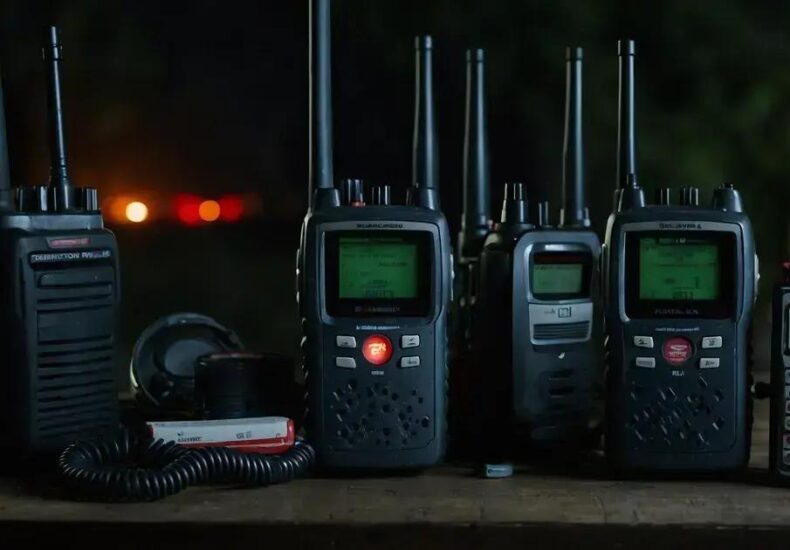
Walkie-talkies and HAM radios have been used for decades and remain vital in emergencies. They operate on specific frequencies and can function without a main power source, making them valuable alternative channels.
Each type has advantages and limitations, so understanding these common communication channels is key to building a resilient communication plan.
why traditional channels might fail
Traditional communication channels like landline phones, mobile networks, and internet services may fail during a grid outage due to their reliance on electric power and infrastructure. Power loss can cause cell towers to shut down and disrupt internet services.
Dependency on Power
Most traditional channels require continuous electricity to operate. When the grid fails, backup power systems might not last long, leading to complete shutdown of these services.
Infrastructure Vulnerability
Physical infrastructure, such as telephone lines and cell towers, can be damaged by storms, floods, or accidents. This damage can prevent communication even if power is partially available.
Network Congestion
During emergencies, everyone tries to use their phones simultaneously, creating network congestion. This overload can cause calls to drop or messages to fail, making it difficult to communicate when it is most needed.
Limited Range and Coverage
Some areas might have poor signal coverage or be too remote to maintain a reliable connection. Traditional networks may not reach these places, leaving people cut off.
Understanding these limitations is crucial to plan for alternative communication methods that can work independently of vulnerable systems.
alternative communication methods to consider
When traditional communication channels fail, alternative methods can keep you connected. These options often work without relying on the main power grid or internet, making them valuable in emergencies.
Handheld Radios and Walkie-Talkies
These devices use radio frequencies to send messages over short to medium distances. Battery-powered and easy to use, they are common in outdoor activities and emergency kits.
Satellite Phones
Satellite phones connect directly to orbiting satellites, allowing communication even in remote or disaster-affected areas. They are more reliable when cell towers are down but can be costly.
Mesh Networks
Mesh networks use connected devices to relay signals to one another without relying on a central hub. This technology can create local communication grids that function independently of the internet.
Signal Flares and Flags
In some cases, visual signals like flares, flags, or mirrors can attract attention or send simple messages. These methods are primitive but effective when no electronic devices work.
Public Payphones and Community Boards
Though less common today, payphones and community message boards can help share information if maintained and accessible during power failures.
Exploring these alternative communication methods equips you with tools to maintain contact when conventional systems fail, ensuring safety and coordination.
how to prepare your own emergency communication plan
Creating your own emergency communication plan ensures you stay connected when the usual channels fail. Start by listing key contacts such as family, neighbors, and emergency services. Keep this list accessible both digitally and in printed form.
Choose Multiple Communication Methods
Relying on one type of communication can be risky. Include alternative channels like radios, satellite phones, and messaging apps that work offline or through mesh networks.
Set Meeting Points and Backup Plans
Agree on physical locations where your group can meet if communication breaks down. Also, designate a trusted out-of-town contact to relay messages.
Prepare Emergency Kits
Include batteries, chargers, and backup power sources like solar chargers or power banks in your kit. This ensures devices stay functional during extended outages.
Practice Your Plan Regularly
Test different communication methods and practice drills to make sure everyone knows how to use the devices and what to do in an emergency.
Clear planning and preparation help minimize confusion, improve safety, and keep relationships intact when the grid is down.
tools and technologies for backup communication
Backup communication relies on tools and technologies designed to function even when the main grid fails. These devices often have independent power sources and use diverse transmission methods.
Portable Radios and HAM Radios
Handheld radios and amateur HAM radios are popular for their reliability and ease of use. HAM radios can connect across great distances, making them essential for emergency groups and enthusiasts.
Satellite Communication Devices
Satellite phones and satellite messengers provide global coverage and don’t rely on local infrastructure. These devices are crucial in remote locations or widespread disasters.
Power Backup Solutions
Battery packs, solar chargers, and portable generators keep communication devices running during power outages. Having multiple power options ensures continuous operation.
Mesh Network Devices
Mesh networks use a series of devices to relay messages peer-to-peer without the internet. This technology supports local communication when traditional networks are down.
Modern backup communication tools combine portability, power independence, and flexible connectivity to keep you connected when it matters most.
testing and maintaining your communication plan
Regular testing and maintenance ensure your emergency communication plan works when needed. Schedule routine checks to verify that all devices are functional and charged.
Test Different Communication Methods
Regularly test radios, satellite phones, and any other tools included in your plan. Simulate emergency scenarios to practice using each method effectively.
Update Contact Lists
Keep phone numbers, email addresses, and emergency contacts current. Remove outdated info and add new contacts as needed to maintain accuracy.
Inspect and Replace Equipment
Check batteries, chargers, and other accessories for wear or damage. Replace expired or non-working items immediately to avoid failures during an actual emergency.
Review and Revise the Plan
Regularly review your communication plan with all participants. Incorporate lessons learned from tests and update procedures based on new technologies or changing needs.
Consistent testing and maintenance build confidence that your communication plan will be dependable when the grid fails.
Staying Connected When It Matters Most
Having reliable communication channels during a power grid failure is essential for safety and peace of mind. By understanding risks, exploring alternative methods, and preparing a solid plan, you can stay connected no matter the situation.
Regularly testing and maintaining your communication tools will ensure they work when you need them most. With the right preparation, you can face emergencies with confidence and support your loved ones effectively.
Don’t wait for a crisis to act—start building your communication plan today and stay ready for any challenge ahead.
FAQ – Communication Channels and Emergency Preparedness
What are the main risks to communication during a power grid failure?
Communication channels often fail due to power loss, damaged infrastructure, network congestion, and limited coverage during grid outages.
Which alternative communication methods work if traditional channels fail?
Handheld radios, satellite phones, mesh networks, and visual signals like flares can be used when traditional systems are down.
How can I prepare an effective emergency communication plan?
List key contacts, use multiple communication methods, set meeting points, prepare emergency kits, and practice your plan regularly.
What tools and technologies support backup communication?
Portable radios, HAM radios, satellite communication devices, power backups like solar chargers, and mesh network devices are common backup tools.
Why is regular testing and maintenance important for communication plans?
Testing ensures devices work, contact lists stay updated, and everyone knows the procedures, making your plan reliable during emergencies.
Can communication be maintained in remote areas during a disaster?
Yes, satellite phones and mesh networks provide communication options that work independently of local infrastructure, even in remote locations.
You may also like



Leave a Reply