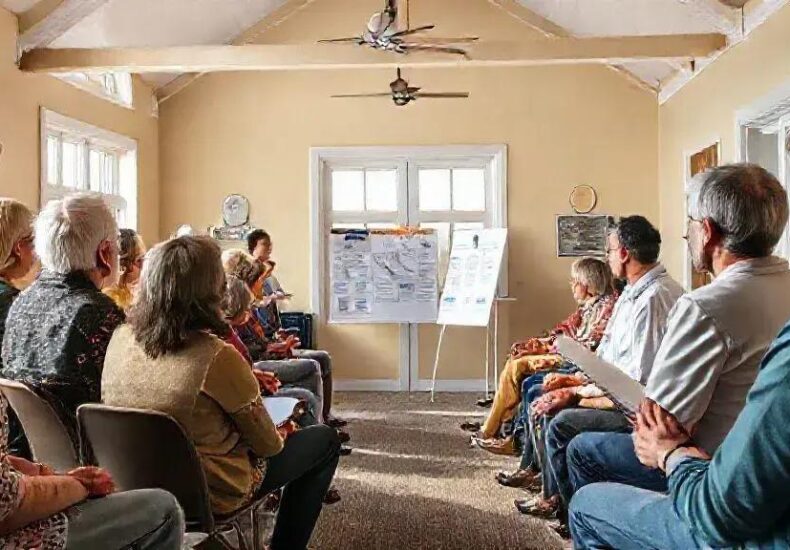
Community Workshops: Collective Preparedness for Solar Events
Community workshops equip neighborhoods with practical skills, local networks, and resources to prepare collectively for solar events, enhancing resilience and coordinated emergency response.
Community Workshops offer an inviting way to get neighbors involved in preparing for solar events. Ever wondered how a simple local meeting can empower whole neighborhoods to face natural disruptions? Let’s explore how these gatherings build resilience and knowledge together.
understanding solar events and their impact
Solar events, such as solar flares and coronal mass ejections (CMEs), are bursts of energy and charged particles released from the sun. These events can affect Earth’s magnetic field, causing geomagnetic storms that disrupt satellite operations, GPS systems, and power grids.
Understanding solar events is crucial because their impacts are often sudden but can last for days. For example, a strong solar storm can induce electrical currents in power lines, potentially damaging transformers and causing widespread blackouts. It also increases radiation levels, which can affect astronauts and high-altitude flights.
Communities that recognize the signs of incoming solar events and know the potential effects can prepare better. This preparation might include securing backup power supplies or adjusting communication systems. Awareness helps both individuals and local authorities minimize disruptions and protect critical infrastructure.
By learning about solar events and their impact, people can become proactive rather than reactive, reducing risks and ensuring safety during these natural phenomena.
the role of community workshops in disaster preparedness
Community workshops play a vital role in disaster preparedness by educating residents about potential risks and practical response strategies. They create a space to share knowledge, build trust, and develop local networks that enhance collective safety during emergencies.
Through hands-on activities and group discussions, participants learn how to identify hazards, create emergency plans, and assemble essential supplies. These workshops also encourage people to share resources and skills, fostering a sense of solidarity that strengthens community resilience.
Another key function of community workshops is to empower individuals by increasing awareness and confidence in handling disasters. When people feel equipped with knowledge and support, they are more likely to take proactive steps before an event occurs.
Moreover, workshops can tailor information to the specific needs and vulnerabilities of the community, making preparedness efforts more effective. By focusing on local context, these sessions ensure that everyone—from children to seniors—can participate and benefit.
Ultimately, community workshops transform preparedness from an individual task into a collective effort, improving overall readiness and reducing the impact of disasters.
how to organize a community workshop for solar events
Organizing a community workshop for solar events requires careful planning and clear communication to ensure maximum participation and effectiveness. Start by identifying the goals, such as raising awareness of solar event risks and teaching practical preparedness steps.
Choose a venue accessible to all community members, such as a local community center, library, or school. Promote the event through social media, flyers, and word of mouth to reach diverse groups.
Develop a detailed agenda that includes presentations, interactive activities, and Q&A sessions. Inviting experts on solar events or emergency preparedness can add value and credibility.
Prepare materials like handouts, checklists, and visual aids that participants can refer to later. Consider including demonstrations on assembling emergency kits or setting up communication plans.
During the workshop, encourage open dialogue and sharing of experiences. This interaction boosts engagement and helps tailor information to local needs.
Finally, plan follow-up actions such as creating local support groups or scheduling future workshops to maintain momentum and deepen community resilience.
key skills taught in community preparedness workshops
Community preparedness workshops focus on teaching essential skills that enable individuals and groups to respond effectively to solar events and other emergencies. One of the primary skills taught is risk assessment, where participants learn to identify potential hazards in their environment and understand how solar storms can impact infrastructure.
Emergency planning is another critical skill. Attendees practice creating personalized and community-wide plans that cover communication, evacuation routes, and resource distribution.
Workshops also emphasize first aid and basic medical response, equipping participants with the ability to assist injured individuals during crises when professional help may be delayed.
Resource management is taught to help communities organize supplies such as food, water, and medical kits efficiently. This includes learning how to create and maintain an emergency kit tailored for solar event scenarios.
Effective communication skills are highlighted to ensure that information is shared quickly and accurately among community members and with emergency services.
Finally, workshops encourage the development of leadership and teamwork abilities, fostering cooperation among neighbors and building trust that is vital for collective preparedness and response.
building local networks through workshops
Building local networks through community workshops strengthens the ability of neighbors to support each other during solar events and other emergencies. These networks connect people with diverse skills, resources, and knowledge to create a unified response team.
Workshops provide a natural setting for residents to meet, share contact information, and establish communication channels. Participants can identify local leaders who coordinate efforts and ensure everyone stays informed.
These connections help in organizing support for vulnerable populations, like the elderly or people with disabilities, by assigning volunteers to check on and assist them when needed.
Networks built through workshops can also facilitate resource sharing, such as tools, emergency supplies, or spaces for shelter. Having this infrastructure in place reduces response time and improves efficiency during crises.
Beyond immediate disaster response, local networks foster ongoing community engagement and resilience. They encourage regular check-ins, preparedness updates, and collaboration on future workshops or safety initiatives.
Strong local networks make communities more self-reliant and capable of withstanding and recovering from solar events and other challenges.
tools and resources for effective solar event response
Effective response to solar events requires the right tools and resources to minimize disruption and protect the community. Key tools include emergency kits stocked with essentials such as water, non-perishable food, flashlights, batteries, and first aid supplies that can support individuals and families during power outages.
Communication devices like battery-powered radios and extra phone chargers are crucial for staying informed when traditional networks fail. Many community workshops also promote the use of solar-powered chargers to maintain access to essential devices.
Additionally, access to reliable information resources is vital. This includes timely alerts from space weather agencies like NOAA and educational materials that explain how solar storms affect technology and safety.
Mapping tools and apps that assist with evacuation plans and locating shelters are also valuable during emergencies. Communities can use shared online platforms to coordinate help and distribute resources efficiently.
Lastly, practical resources such as training manuals, checklists, and local emergency contact lists enhance preparedness. These tools support individuals in taking the right actions quickly and confidently during solar events.
case studies of successful community workshops
Several case studies highlight the success of community workshops in preparing neighborhoods for solar events. In one town, workshops led to the creation of a local volunteer team that coordinated during a major solar storm, minimizing power outage impacts and ensuring vulnerable residents received aid.
Another example comes from a suburban area where workshops focused on educating residents about emergency kits and communication plans. This preparation helped reduce panic and confusion when solar-induced disruptions affected communication networks.
In a rural community, workshops emphasized building resource-sharing networks. Post-event, these networks were crucial in distributing supplies and information efficiently, demonstrating the value of collective preparedness.
These case studies show how workshops tailored to community needs and involving local leaders can improve response times and resilience. They also underline the importance of continuous engagement to maintain and update preparedness plans.
By learning from these successes, other communities can adopt similar approaches, adapting strategies to their unique circumstances to face solar events more confidently.
engaging different community groups in workshops
Engaging different community groups in workshops ensures that preparedness efforts are inclusive and effective. This means reaching out to various demographics such as seniors, youth, people with disabilities, and culturally diverse populations.
Tailoring content to meet the unique needs of each group helps keep participants interested and ensures they gain relevant skills. For example, workshops for seniors might focus on managing health during power outages, while sessions for youth can include interactive games that teach emergency response fundamentals.
Using accessible language and providing materials in multiple languages increases understanding across diverse communities. Incorporating sign language interpreters or offering workshops at easily reachable locations further removes barriers to participation.
Partnering with local leaders and organizations that already have trust within these groups can improve outreach and attendance. These partnerships also help identify specific concerns and resources unique to each community.
By actively involving different groups, workshops foster a stronger, united community that is better prepared for solar events and other emergencies.
challenges in community-led preparedness and how to overcome them
Community-led preparedness often faces challenges such as limited resources, varied levels of participant engagement, and communication barriers. These obstacles can make it difficult to maintain consistent participation and effectively disseminate critical information during solar events.
One common challenge is securing funding and resources needed for workshops, supplies, and outreach efforts. Overcoming this requires building partnerships with local organizations, businesses, and government agencies to pool resources and share costs.
Another issue is engaging diverse community members who may have different schedules, languages, or accessibility needs. Tailoring workshop times, using multilingual materials, and ensuring accessibility can help bridge these gaps.
Communication can also be a hurdle, especially where trust in authorities is low or misinformation spreads easily. Fostering transparency, using trusted local leaders as communicators, and implementing multiple communication channels improve information flow.
Maintaining momentum after initial workshops is critical. This can be achieved through regular follow-up meetings, building local volunteer networks, and celebrating small successes to keep the community motivated.
By recognizing these challenges and actively addressing them, communities can develop stronger, more resilient preparedness programs that effectively protect residents during solar events.
measuring the impact of community workshops on resilience
Measuring the impact of community workshops on resilience involves assessing how well participants are prepared to respond to solar events and other emergencies. One common method is through surveys and feedback forms that gather participants’ knowledge, confidence, and behavior changes after the workshop.
Tracking community engagement over time, such as attendance at follow-up events or participation in local preparedness activities, also indicates sustained impact.
Some communities use simulated emergency drills to observe how effectively residents apply skills learned during workshops. These drills provide real-time insights into strengths and areas that need improvement.
Data on reduced damages or quicker recovery times during actual solar events can serve as a powerful indicator of workshop effectiveness.
Collaborating with local agencies to monitor emergency response outcomes and resource distribution further supports impact measurement.
Regularly evaluating and adjusting workshop content based on these findings ensures ongoing improvement and enhanced community resilience.
Building Stronger Communities Through Workshops
Community workshops play a crucial role in preparing neighborhoods for solar events and other emergencies. They bring people together, help build valuable skills, and foster connections that make everyone safer.
By measuring their impact and continuously improving the approach, communities can become more resilient and ready to face challenges. Engaging everyone and overcoming obstacles ensures that no one is left behind.
Joining or organizing these workshops is a smart step toward a safer, stronger community that looks out for each other during difficult times.
FAQ – Community Workshops and Solar Event Preparedness
What are community workshops for solar events?
Community workshops are gatherings where residents learn about solar events and how to prepare collectively to reduce risks and improve response.
Why is community involvement important in disaster preparedness?
Community involvement builds trust, shares resources, and ensures everyone has the knowledge and skills to respond effectively during emergencies.
How can I organize a successful community workshop?
Start by setting clear goals, choose an accessible venue, promote broadly, prepare engaging materials, and encourage participation from diverse groups.
What types of skills are taught in these workshops?
Workshops teach risk assessment, emergency planning, first aid, resource management, communication, leadership, and teamwork skills.
How do community workshops build local networks?
They connect neighbors, create communication channels, organize volunteers, and facilitate sharing of resources to strengthen collective resilience.
How is the impact of community workshops measured?
Impact is measured through surveys, participation rates, emergency drills, and monitoring community response during actual events to improve preparedness efforts.
You may also like




Leave a Reply