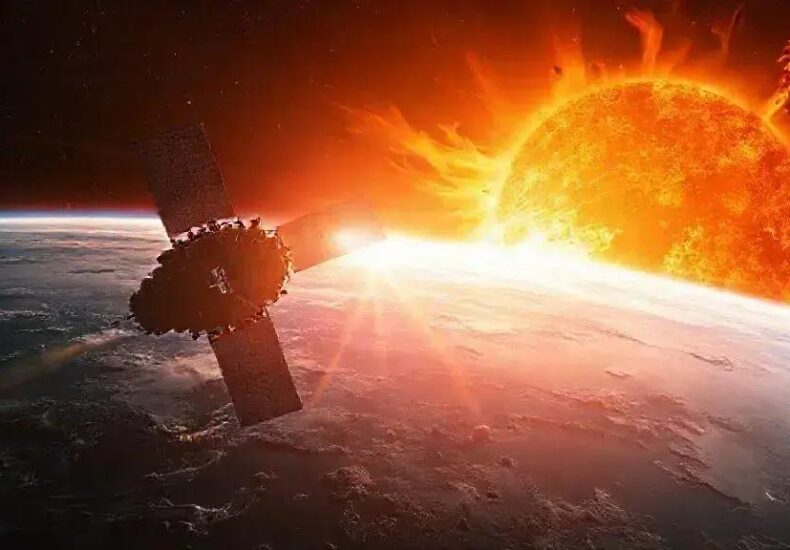
Will Solar Flares Wipe Out All Electronics Forever?
Electronics wipeout from solar flares occurs when intense solar radiation and charged particles disrupt or damage power grids, satellites, and electronic devices, but advances in prediction, shielding, and recovery reduce long-term impact and improve resilience against these solar storms.
Have you ever wondered if Electronics Wipeout? caused by solar flares could actually happen? These bursts of solar energy can fry circuits and disrupt our digital lives, but is a complete wipeout realistic? Stick around to explore the science, risks, and what might save our gadgets from the sun’s fury.
what are solar flares and how do they form
Solar flares are powerful bursts of radiation coming from the sun’s surface. They occur when magnetic energy stored in the sun’s atmosphere is suddenly released. This process happens in active regions around sunspots where intense magnetic fields twist and snap, causing a rapid release of energy.
The formation process
The sun’s magnetic field lines can become tangled and stressed due to the sun’s rotation and convective motions. When these twisted magnetic lines break and reconnect, they unleash enormous amounts of energy in the form of light, heat, and charged particles. This is what we call a solar flare.
Solar flares can vary in size and intensity, sometimes lasting minutes to hours. They emit radiation across the entire electromagnetic spectrum, including X-rays and ultraviolet rays that can impact Earth’s atmosphere and technology.
Understanding how solar flares form helps scientists predict solar activity and its potential effects on Earth. This knowledge is crucial to protect satellites, power grids, and communication systems from flare-related disruptions.
the impact of solar flares on electronics
Solar flares release intense bursts of electromagnetic radiation and charged particles that can seriously impact electronic devices on Earth and in space. When these particles collide with Earth’s magnetic field, they create geomagnetic storms that induce strong electric currents in power lines and circuits.
Damage to electronic systems
Electronics such as satellites, communication devices, and even ground-based power grids can be disrupted or damaged by these currents. Sensitive microchips and circuits may short-circuit or fail, leading to outages or permanent damage.
Solar flare effects can cause loss of GPS signals, blackouts in power supplies, and interference in radio waves. For example, during strong solar storms, airlines may have to reroute flights to avoid communication blackouts, and utilities may temporarily shut down parts of the grid to protect equipment.
Vulnerable technologies
Older electronics without sufficient shielding are especially at risk, but even modern devices are not immune. As our reliance on technology grows, the potential impact of solar flares increases, making it essential to understand and mitigate these risks.
historical events of solar flare disruptions
Throughout history, solar flares have caused notable disruptions to technology and infrastructure. One of the most famous events is the 1859 Carrington Event, the strongest solar storm recorded. It caused widespread telegraph failures and even sparked fires in telegraph stations across Europe and North America.
Major historical solar flare events
In March 1989, a powerful solar storm triggered a blackout in Quebec, Canada, leaving millions without power for several hours. This geomagnetic storm also damaged transformers and disrupted communication systems.
Other incidents include satellite failures and radio blackouts caused by solar activity, reminding us how vulnerable modern technologies are to space weather. For example, in 2003, known as the Halloween Storms, a series of solar flares disrupted satellite operations and caused navigation errors in GPS systems.
These historical events highlight the ongoing challenge of managing solar flare impacts and improving preparedness to protect our growing reliance on electronics.
how solar flares affect satellites and space technology
Solar flares release bursts of radiation and energetic particles that can seriously affect satellites and space technology. These particles penetrate satellite shielding and can damage sensitive electronics, causing malfunctions or even complete failures.
Impact on satellites
Solar radiation increases drag on satellites in low Earth orbit, causing them to lose altitude and potentially requiring adjustments to maintain their orbits. Communication satellites may experience signal disruptions due to interference from charged particles.
Space technology such as GPS systems, weather monitoring satellites, and scientific equipment can become unreliable during strong solar flare events. Solar storms can also increase the risk of radiation exposure for astronauts, forcing mission planners to take extra precautions.
Because of these risks, satellite operators closely monitor solar activity and may temporarily switch off non-critical systems or delay launches during periods of intense solar flare activity.
risks for power grids and communication networks
Solar flares can cause severe risks to power grids and communication networks by triggering geomagnetic storms. These storms induce strong electrical currents in long conductors like power lines, which can overload systems and damage transformers.
Effects on power grids
Power transformers are particularly vulnerable. Overloads from induced currents can lead to overheating, fires, or permanent damage. This can cause widespread blackouts lasting hours or even days, impacting millions.
Grid operators may experience challenges in controlling voltage levels, and protective devices might trip unexpectedly due to solar storm effects.
Impact on communication networks
Communication networks relying on radio waves and satellites can face interruptions during solar flare events. High-frequency radio communications may fade, and satellite-based internet or GPS signals can become unreliable or lost temporarily.
Since many emergency services depend on these networks, solar flare disruptions can affect public safety and crisis response.
Understanding these risks helps utilities and service providers prepare and implement mitigation strategies such as improved grounding, system monitoring, and emergency protocols to minimize damage.
methods to protect electronics from solar flare damage
Protecting electronics from solar flare damage involves several methods that help reduce the risks from electromagnetic pulses and charged particles. One common technique is shielding, where sensitive electronics are encased in materials like metal that block or reduce electromagnetic interference.
Use of surge protectors and grounding
Surge protectors help prevent damage by absorbing sudden spikes in electrical current caused by solar storms. Proper grounding of electronic systems also allows excess currents to safely dissipate into the earth, minimizing harm.
Redundancy and backup systems
Implementing backup power supplies, redundant communication lines, and duplicate data centers ensures that critical operations can continue even if some equipment is damaged.
Space weather forecasting and operational adjustments
Monitoring solar activity enables operators to predict solar flares and geomagnetic storms. During high-risk times, they can power down non-essential systems, delay satellite launches, or switch to safer operating modes.
Advancements in materials science and electronics design are also improving the resilience of hardware against solar flare effects.
the science behind predicting solar flare occurrences
Scientists use advanced tools and observations to predict solar flare occurrences. These predictions are based on monitoring the sun’s magnetic activity, especially in regions known as sunspots, where flares often originate.
Monitoring sunspot activity
Sunspots are cooler, darker areas on the sun’s surface linked to intense magnetic fields. Changes in these magnetic fields can signal an increased chance of solar flares. Using telescopes equipped with special instruments, researchers track sunspot size, shape, and magnetic complexity.
Solar observatories and satellites
Satellites like the Solar Dynamics Observatory (SDO) provide continuous real-time images of the sun in various wavelengths, revealing heating and activity changes. This data helps scientists identify flare precursors and gauge flare intensity.
Modeling and forecasting
Using computer models, scientists simulate the sun’s magnetic environment to forecast solar flare likelihood. Machine learning and historical data also improve prediction accuracy by recognizing patterns linked to past flares.
While predicting the exact timing and strength of solar flares remains challenging, ongoing research is enhancing our early warning capabilities. These predictions are crucial for safeguarding satellites, power grids, and communications here on Earth.
latest research and technology to mitigate solar flare effects
Recent research focuses on improving our ability to predict, monitor, and protect against the harmful effects of solar flares. Scientists are developing more sensitive instruments to detect solar activity in real-time, enabling faster warnings and response.
Advanced satellite technology
New satellites equipped with enhanced sensors provide detailed measurements of solar particles and magnetic fields. These tools improve our understanding of flare dynamics and help forecast their impact on Earth.
Innovations in shielding and materials
Researchers are designing stronger and lighter materials to shield electronics, especially in satellites and power grids. Electromagnetic shielding technologies are becoming more efficient at reducing damage from solar storms.
AI and machine learning in space weather prediction
Artificial intelligence is increasingly used to analyze solar data. Machine learning models can identify patterns and predict solar flare occurrences with greater accuracy, helping mitigate risks beforehand.
Efforts are also underway to harden critical infrastructure by upgrading grid components and improving emergency response plans, making systems more resilient to solar flare effects.
real-world examples of electronics recovery after solar storms
Many electronics affected by solar storms have successfully recovered with prompt response and repair measures. After geomagnetic storms, power companies often conduct thorough inspections and replace damaged components to restore electricity quickly.
Examples of recovery
During the 1989 Quebec blackout caused by a solar storm, power was restored within hours thanks to rapid transformer replacement and grid management. Similarly, satellite operators have rebooted or switched to backup systems after flare-related malfunctions to resume normal function.
Data centers and communication networks have also bounced back by rerouting traffic and using backup servers to maintain service during and after solar events.
These examples show the resilience of modern technology and the importance of preparedness. With continuous improvements in monitoring and protective measures, recovery times after solar storm disruptions are getting shorter, reducing impact on everyday life.
future outlook: can we ever be fully protected?
Complete protection from solar flares is a challenging goal due to the sun’s unpredictable nature and the immense energy involved. However, ongoing advances in technology and science are improving our defenses.
Technological improvements
Scientists are developing better shielding materials and smarter electronics that can resist solar flare damage. Grid operators are installing enhanced monitoring systems and automatic shutdown procedures to minimize risks.
The role of prediction and preparedness
Improved solar flare forecasting allows us to prepare in advance by powering down sensitive systems and safeguarding critical infrastructure. Emergency protocols and public awareness campaigns also play a key role in reducing potential damage.
Limitations and future challenges
Despite progress, some risks remain due to the intensity of extreme solar events and our reliance on complex electronics. Total protection may be unattainable, but resilience through redundancy and rapid recovery plans is a practical path forward.
Continued research, international collaboration, and investment in space weather technologies will be essential to enhancing our ability to live safely with solar flare threats in the future.
Understanding the Threat of Solar Flares
Solar flares pose real risks to our electronics and infrastructure, but with growing research and technology, we are better prepared than ever. While full protection may not be possible, advances in prediction, shielding, and recovery make it easier to withstand solar storm impacts.
Staying informed and investing in resilient systems will help us reduce damage and maintain essential services during solar events. As we continue to learn about the sun’s behavior, our ability to protect electronics will only improve.
Therefore, awareness and preparedness are key to living safely in a world influenced by space weather challenges.
FAQ – Will Solar Flares Wipe Out All Electronics Forever?
What exactly is a solar flare?
A solar flare is a sudden burst of energy and radiation from the sun’s surface caused by magnetic activity in sunspots.
How do solar flares affect electronic devices?
Solar flares can disrupt or damage electronics by producing intense electromagnetic radiation and charged particles that interfere with circuits and power grids.
Can solar flares cause power outages?
Yes, geomagnetic storms triggered by solar flares can induce currents that overload transformers and power lines, leading to blackouts.
Are satellites vulnerable to solar flares?
Satellites are highly vulnerable since solar flare particles can damage their electronics and interfere with communications and navigation systems.
How can we protect electronics from solar flare damage?
Protection methods include shielding devices, using surge protectors, grounding systems, and monitoring space weather to prepare in advance.
Is it possible to fully protect against solar flare effects?
Complete protection is difficult due to the sun’s power, but improved prediction, technology, and preparedness help reduce risks and speed recovery.
You may also like




Leave a Reply