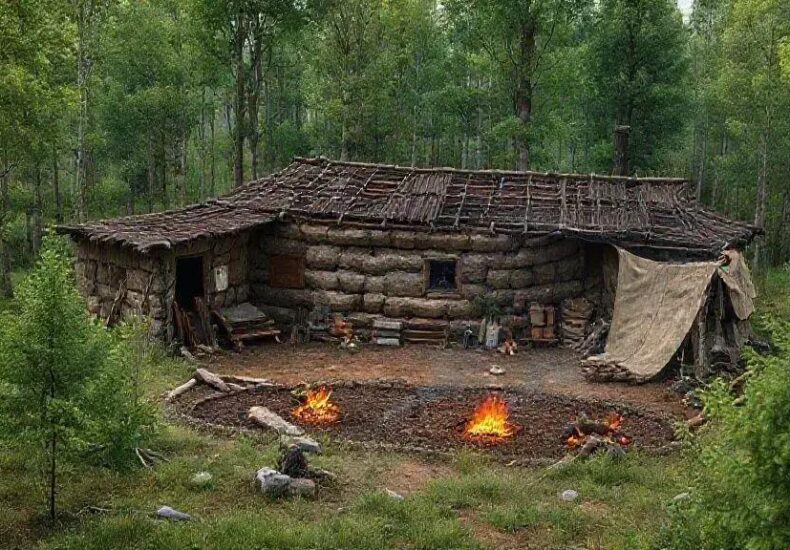
Essential Tips for Fireproofing Your Survival Retreat During Emergencies
Fire preparedness is vital for every home, especially for preppers. Training, fire drills, and creating a solid fire plan help ensure safety during emergencies. Regular maintenance, proper storage, and fire breaks can significantly reduce risks and protect your property from wildfires.
Are you ready for a potential emergency? In the world of survival prepping, fireproofing your retreat is an essential step that too many overlook. Let’s dive into the critical measures you can take to ensure your safety!
Understanding Brush Fire Dangers
Brush fires can be very dangerous, especially in dry seasons. They spread quickly and can destroy everything in their path. Understanding these dangers is key to protecting your survival retreat.
Brush fires usually happen in areas with lots of dry plants or trees. High temperatures and strong winds can make these fires grow fast. Even a small spark can start a big fire. That’s why it’s important to keep your property clear of dead plants and other flammable materials.
Some brush fires happen naturally, like from lightning strikes. Others can start from human activities. Campfires left unattended or discarded cigarettes are common causes. Always be careful when you’re outside and follow fire safety rules.
Knowing when there’s a fire risk is also important. Check with local authorities about fire warnings. Stay updated, especially during the hot months. Being aware helps you act quickly and keep your family safe.
Potential Dangers of EMPs and Solar Flares
EMPs, or electromagnetic pulses, can seriously disrupt our modern lives. They can wipe out electronic devices and power grids. Solar flares are another danger. These are massive explosions on the sun that can affect Earth.
When a strong solar flare happens, it sends out large amounts of energy. This energy can hit Earth’s atmosphere and create a magnetic storm. These storms can damage satellites and power lines.
The impact of an EMP can be just as serious. A nuclear detonation at high altitudes can create a powerful EMP. It’s not just lights that go out. Your phone, computer, and even cars can stop working.
It’s essential to prepare for these dangers. Keep backup power sources, like generators. You can also store important electronics in Faraday cages to protect them. Stay informed about solar activity to plan ahead and keep yourself safe.
Risks from Unprepared Neighbors
Your neighbors can be a big part of your safety plan. If they’re unprepared, it might put you at risk too. When emergencies happen, people can panic. Unprepared neighbors might not know how to respond.
If a disaster strikes, they could create problems for everyone. For instance, if a fire starts at their home, it can spread to yours. If they have no food or water, they might try to take yours.
That’s why it’s helpful to talk to your neighbors about emergency plans. Share ideas about preparation and safety. You can all benefit from being ready together.
Consider forming a community group focused on emergency preparedness. This way, everyone will know each other’s plans and resources. Having support nearby can make a real difference during tough times.
Flammable Materials to Avoid
When preparing your retreat, it’s crucial to know about flammable materials. These items can easily catch fire, making your home more vulnerable in an emergency.
One of the main things to avoid is storing firewood too close to your house. While it’s essential for warmth, keep it at least 30 feet away. Other flammable items include old newspapers, magazines, and cardboard. These can ignite quickly and spread fire fast.
Be careful with chemicals as well. Paints, solvents, and cleaning supplies should be kept out of your living spaces. Always store them in a cool, dry place.
Don’t forget about your landscaping. Dead plants and dried grass are fire hazards. Regularly clean up your yard to prevent fire threats. Keeping everything tidy helps make your home safer.
Creating Fire Breaks Around Your Property
Creating fire breaks is one of the best ways to protect your home from wildfires. A fire break is a cleared area that can stop or slow down a fire’s spread. It can save your property and give firefighters a better chance to control the flames.
To start, clear away all flammable materials around your home. This includes dead vegetation, leaves, and anything that can catch fire easily. Aim to create a clearance zone of at least 30 feet.
Use rocks, gravel, or dirt as natural barriers. These materials won’t burn and can help block a fire’s path. Consider planting fire-resistant plants in this area as well.
Regular maintenance is crucial. Check your fire breaks often, especially during dry seasons. Keep them clear of debris and make sure they’re still wide enough to be effective.
Proper Storage of Flammable Materials
Proper storage of flammable materials is essential to keeping your home safe. Fire can start quickly if these items aren’t stored right. Begin by keeping them in a cool, dry place away from your living area.
Use approved containers for liquids like paint or fuel. These containers are designed to prevent leaks and keep the materials safe. Always label your containers clearly so you know what’s inside.
Store these items on shelves that are sturdy and away from other combustibles. Avoid putting them in basements or garages where temperatures can vary a lot. Extreme heat or cold can make them unstable.
It’s also a good idea to have a fire extinguisher nearby. Make sure everyone in your home knows where it is and how to use it. Regularly check that your flammable materials are stored correctly for safety.
Keeping Your Roof Safe During Dry Seasons
Your roof plays a vital role in keeping your home safe from fires. During dry seasons, it’s more important than ever to check and maintain it. Start by clearing away leaves and debris. These can easily catch fire and create a serious risk.
Inspect your roof for any damage, like missing shingles or cracks. Fixing these issues will help prevent embers from getting into your home. If you have trees close to your house, trim their branches. They should be at least 10 feet away from your roof.
Using fire-resistant materials for roofing can also help. Metal or tile roofs can provide extra protection against sparks and flames. If you have a wooden roof, consider applying a fire retardant treatment.
Lastly, ensure your gutters are clean and free of debris. Clogged gutters can hold water and attract pests. This can increase the fire hazard. Regular maintenance keeps your roof safe and your home protected.
Fire Preparedness and Training for Preppers
Fire preparedness is essential for anyone planning to survive emergencies. For preppers, training can make a big difference. Start by learning about fire safety and prevention. This knowledge helps you prepare your home and family.
Consider taking a basic fire safety course. Many local fire departments offer classes. You’ll learn how to use a fire extinguisher and escape plans, which are vital skills.
Regularly conduct fire drills at home. Make sure everyone knows how to exit safely. Practice different scenarios to help your family respond calmly during a real emergency.
You should also create a fire plan. Outline escape routes and safe meeting places outside your home. Share this plan with everyone in your household.
Lastly, keep emergency kits ready, including fire blankets and gear. This preparation ensures you’re ready for anything that comes your way.
You may also like



Leave a Reply