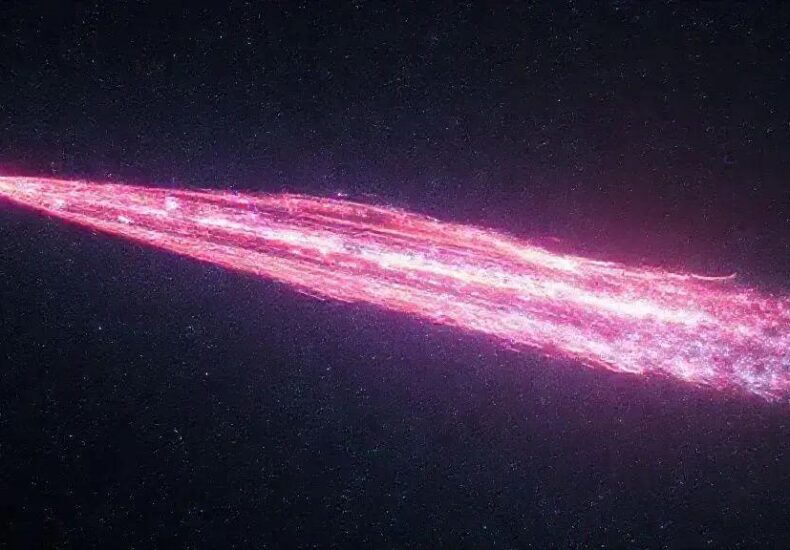
Explore the Rare Multi-Tailed Comet 3I/ATLAS and Its Astronomical Wonders
Multi-tailed comets, like 3I/ATLAS, are unique celestial bodies that exhibit stunning visual displays due to their interaction with sunlight and solar winds. These comets can have both ion and dust tails, providing scientists with valuable insights into the history and evolution of our solar system.
Multi-tailed comets are fascinating objects in our solar system. They are different from regular comets, often showing multiple distinct tails. Why do they have multiple tails? Well, it’s all about how they interact with sunlight and solar wind. When they get close to the sun, their gas and dust get pushed away, forming beautiful trails.
There are two main types of tails. One tail is made of gas, called the ion tail. It points away from the sun. The other is the dust tail. This one usually curves backward, following the comet’s path. This dual appearance is what makes multi-tailed comets special!
Have you ever seen a comet? They can be stunning to watch. The light reflects off tiny particles, creating vibrant colors. These colors often change based on the materials in the comet.
Scientists study multi-tailed comets to learn more about the history of our solar system. They can reveal clues about the early days of space. Each new comet can teach us something different. So, the next time you hear about a new comet, think about the amazing stories it might have!
You may also like




Leave a Reply