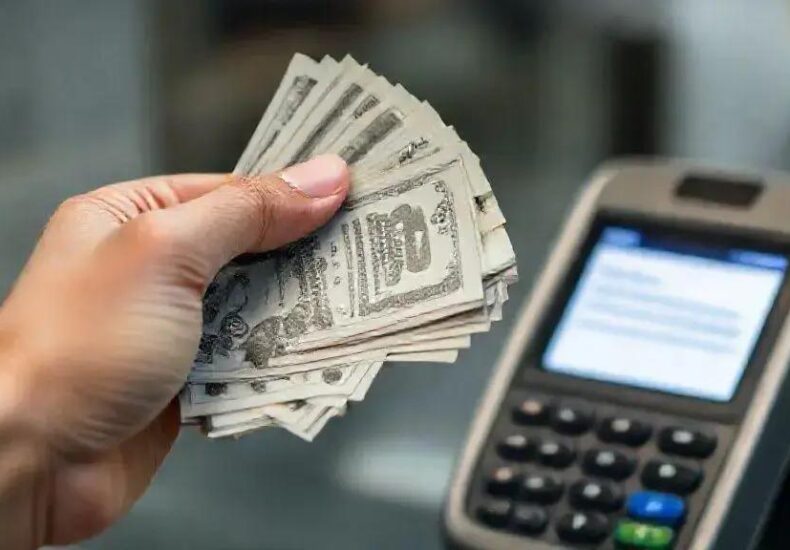
Financial Readiness: Cash on Hand When Electronic Payments Fail
Financial readiness means keeping enough cash and alternative payment options available to handle electronic payment failures smoothly and maintain access to essential goods and services.
Financial readiness is more than a buzzword—it’s a lifeline when electronic payments suddenly aren’t an option. Ever wondered what happens if your card won’t swipe or apps go down? Having cash at hand can save you from unexpected headaches and keep life flowing smoothly.
Understanding financial readiness and its importance
Financial readiness means being prepared with cash and resources for unexpected situations. It helps you avoid stress when electronic payments don’t work. Many people rely solely on cards and digital payments but forget that systems can fail due to technical issues or power outages.
Why financial readiness matters
When you have cash on hand, you can still buy essentials like food, fuel, or medicine without hassle. It acts as a backup plan that keeps your daily life smooth. Emergencies can happen anytime, and being ready protects you from inconvenience.
Key benefits of financial readiness
- Peace of mind: You won’t panic if machines or apps stop working.
- Convenience: Cash payments don’t rely on electricity or internet.
- Security: Helps in situations where electronic fraud or hacking is a risk.
In short, financial readiness is about staying in control. It ensures you can handle payment disruptions efficiently and keep moving forward without extra worries.
Common scenarios when electronic payments fail
Electronic payment failures can happen in several common scenarios, often catching people off guard. One frequent cause is network outages. When the internet or mobile data is down, card readers and online payment systems cannot communicate with banks, causing transactions to fail.
Power outages
Another typical issue is power loss. Stores or ATMs without a backup power supply may not process payments, leaving customers without electronic options.
Technical glitches and software errors
Software bugs or system updates can temporarily disrupt payment apps or terminals. These glitches might prevent your card from being recognized or block transactions entirely.
Hardware problems
Damaged card readers, faulty NFC terminals, or worn-out magnetic strips on cards can cause payment failures. Sometimes, the issue lies in the device, not the network.
Bank system issues
On rare occasions, banks may experience internal outages affecting authorization servers. This means even if the merchant’s systems work, the bank cannot approve payments.
Security blocks
To prevent fraud, banks might block suspicious transactions or impose limits. If your payment is flagged, it could be declined despite no technical problem on your end.
Knowing these scenarios helps you understand why electronic payments may fail and why having a financial readiness plan with cash on hand is essential.
Why keeping cash on hand matters
Keeping cash on hand is a crucial part of financial readiness. When electronic payments fail, cash allows you to complete important transactions without delay or stress.
Immediate access to funds
Cash provides instant access to money, unlike electronic payments that can be delayed by technical issues or connectivity problems. This is especially important for buying essentials like groceries, medicine, or filling up your car with gas.
Acceptance everywhere
Not all places accept cards or mobile payments, especially small businesses, street vendors, or service providers. Cash ensures you can pay wherever you go without worrying about device compatibility or network availability.
Protection during emergencies
In emergencies like natural disasters or power outages, electronic systems often fail. Having cash ready means you can still pay for transportation, shelter, food, or other urgent needs.
Avoiding extra fees and delays
Using cash can help you avoid extra fees sometimes charged for card transactions or delays caused by payment authorizations. It also reduces dependence on banks and digital services.
In essence, cash on hand is a simple, reliable safeguard that lets you handle payment disruptions with confidence and ease.
How to determine the right amount of cash to keep
Determining the right amount of cash to keep is key to effective financial readiness. It’s not about carrying large sums but having enough to cover essential needs during electronic payment failures.
Assess your daily expenses
Start by tracking your basic daily costs such as food, transportation, and necessary bills. Knowing your average spending helps you set a practical cash reserve.
Consider emergency situations
Plan for unexpected events by keeping cash that covers at least 3-7 days of essential expenses. This amount varies based on your lifestyle and local costs.
Balance safety and convenience
While having cash ready is important, avoid carrying too much for safety reasons. Store excess cash securely at home or in a safe place.
Review and adjust regularly
Expenses and risks change over time. Review your cash reserve every few months to ensure it remains adequate.
Ultimately, the right amount is enough to keep you going comfortably without unnecessary risk.
Safe ways to store emergency cash at home
Storing emergency cash safely at home is crucial to protect your funds while keeping them accessible. Choosing the right place and method ensures your money is secure from theft, damage, or loss.
Use a fireproof and waterproof safe
A small fireproof and waterproof safe offers strong protection against common risks like fire and water damage. Keep it in a discreet location to avoid detection.
Hide cash in multiple locations
Avoid keeping all your emergency cash in one spot. Spread it across several hidden places like inside books, containers, or drawers to reduce risk if one spot is compromised.
Avoid obvious hiding spots
Common hiding places such as under mattresses or in sock drawers are the first places thieves check. Choose less predictable places that blend with everyday items.
Keep cash organized and dry
Use envelopes or small sealed bags to keep bills dry and organized. This prevents damage and makes it easier to access when needed.
Limit who knows about your cash stash
The fewer people who are aware of your emergency cash, the safer it is. Share the information only with trusted family members if necessary.
By taking these precautions, you ensure your emergency cash is protected and ready to help you when electronic payments fail.
Alternatives to cash during electronic payment outages
When electronic payments are down and you don’t have cash on hand, there are still some alternatives you can consider to manage your transactions.
Use prepaid cards
Prepaid cards are loaded with a fixed amount of money and can be used without relying on bank approval during transactions. They offer a convenient alternative but still depend on payment terminals.
Mobile payment apps with offline modes
Some mobile payment apps offer offline modes that allow transactions without internet temporarily. These can be useful but require prior setup and compatible devices.
Barter and trade services
In extreme cases, exchanging goods or services directly, known as barter, can help you get what you need. This method works best locally and among trusted parties.
Checks and money orders
Though less common, checks or money orders can sometimes be used when electronic options fail. They take longer to process but provide a paper-based payment method.
Borrowing from trusted contacts
When all else fails, borrowing money or getting temporary help in cash from family or friends can be an option. Building a network of trusted contacts is part of financial readiness.
While cash remains the most reliable backup, knowing and preparing these alternatives can provide valuable support during electronic payment disruptions.
Tips for maintaining financial readiness habits
Maintaining financial readiness requires developing consistent habits that prepare you for any payment disruptions.
Regularly update your cash reserve
Check your emergency cash stash every few months. Add to it as your expenses change or after you use some, ensuring it remains sufficient.
Keep track of spending habits
Monitor your daily spending to understand your needs better. This helps you adjust your cash reserves and budget smarter.
Create a financial emergency plan
Outline how you will handle payment failures, including accessing cash, contacting support, or borrowing if required. Sharing this plan with family increases preparedness.
Use reminders and automation
Set calendar reminders to review your financial readiness regularly. Automate transfers to your cash fund if possible.
Stay informed about payment systems
Keep up with news about payment technologies and outages in your area. Awareness helps you anticipate problems and respond swiftly.
Practice cash usage occasionally
Use cash for some purchases during normal times. This keeps you comfortable with handling cash and tests your stored bills for damage.
By adopting these habits, you’ll build a solid financial readiness routine that serves you well in emergencies.
Preparing for long-term electronic payment disruptions
Preparing for long-term electronic payment disruptions requires a well-thought-out plan beyond just keeping cash on hand. It means being ready to manage your finances and daily needs without relying on digital systems for an extended period.
Build a substantial cash reserve
For long disruptions, your cash reserve should cover several weeks of essential expenses. Calculate your monthly needs and set aside at least that amount in secure, accessible places.
Stock essential supplies
Having a stock of food, water, medicine, and other necessities reduces your dependence on frequent purchases, especially when payment options are limited.
Understand offline payment alternatives
Explore and prepare for alternatives like bartering, prepaid cards, or paper checks, which might be valuable during prolonged outages.
Maintain communication plans
Stay connected with family, friends, and local support networks in case digital communication methods are affected.
Have backup power sources
Generators, power banks, or solar chargers can help keep devices functional for as long as possible during disruptions.
Review insurance and financial plans
Check your insurance coverage and financial products to ensure support during emergencies and consider setting aside funds for unexpected costs.
Incorporating these strategies into your financial readiness plan strengthens your resilience when electronic payments are unavailable for long periods.
Staying financially ready is key
Being prepared with cash and a solid plan helps you handle payment disruptions with confidence and ease. Whether it’s a short outage or a long-term failure, having cash on hand and knowing your options can keep your life running smoothly.
Regularly updating your cash reserves, storing money safely, and exploring alternatives will strengthen your financial readiness. Simple habits and thoughtful preparation can make a big difference in tough situations.
Remember, financial readiness is about peace of mind and control over unexpected challenges. Start building your plan today to stay one step ahead when electronic payments fail.
FAQ – Financial Readiness and Cash Management
Why is keeping cash on hand important?
Cash lets you pay for essentials when electronic payments fail, ensuring you are never left without a way to buy what you need.
How much cash should I keep for emergencies?
Aim to keep enough cash to cover 3 to 7 days of essential expenses, adjusting the amount based on your lifestyle and local costs.
What are safe ways to store emergency cash at home?
Use a fireproof and waterproof safe, hide cash in multiple locations, avoid obvious spots, and keep cash organized and dry.
What should I do if electronic payments fail for a long time?
Build a sizable cash reserve, stock essential supplies, explore offline payment alternatives, maintain communication plans, and have backup power sources.
Are there alternatives to cash during electronic payment outages?
Yes, options include prepaid cards, mobile apps with offline modes, barter systems, checks, money orders, and borrowing from trusted contacts.
How can I maintain good financial readiness habits?
Regularly update your cash reserve, track spending, create an emergency plan, use reminders, stay informed about payment systems, and practice using cash periodically.
You may also like



Leave a Reply