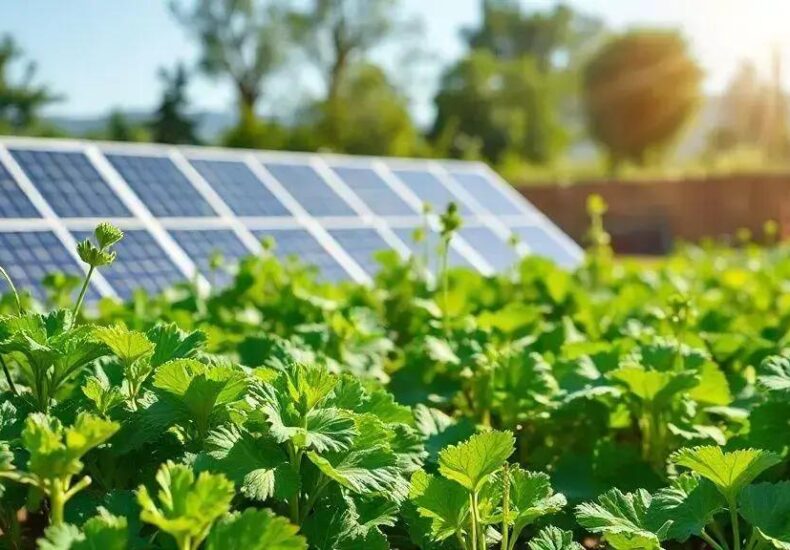
Gardening for Self-Sufficiency: Fresh Produce in a Solar Crisis
Gardening for self-sufficiency during a solar crisis focuses on selecting shade-tolerant plants, managing soil naturally, conserving water efficiently, using solar-powered tools, and preserving harvests to maintain a reliable fresh food supply despite limited sunlight and power.
Gardening can turn into a lifeline when the usual supply chains falter, like during a solar crisis. Ever wondered how you could still get fresh produce without relying on supermarkets? Let’s dive into practical ways to make your garden a reliable source of food, even when the sun throws a curveball.
understanding the impact of a solar crisis on food supply
A solar crisis can drastically affect the global food supply due to reduced sunlight, impacting photosynthesis and crop yields. Plants rely on sunlight as their energy source, so any significant decrease in solar radiation can slow growth and reduce harvest sizes. This in turn causes shortages, driving food prices up and increasing reliance on emergency food aid.
During such crises, local food systems become vulnerable since typical supply chains depend on stable agricultural output. The reduced sunlight may also disrupt pollinators and soil organisms that contribute to healthy crops. Understanding these effects helps gardeners and communities prepare by prioritizing crops with shorter growing cycles and those more tolerant of low light.
Key Effects of Solar Crisis on Food Supply
- Lower crop productivity: Decreased photosynthesis results in diminished growth.
- Disrupted planting cycles: Seasonal changes may be less predictable.
- Challenges in food distribution: Supply chains struggle with decreased output.
- Increased food insecurity: Scarcity affects vulnerable populations first.
By grasping these challenges, gardeners can make informed decisions on plant selection and resource management, fostering resilience when the sun’s energy is limited.
choosing the right plants for solar crisis gardening
Choosing the right plants is crucial for successful gardening during a solar crisis where sunlight is limited. Focus on shade-tolerant and fast-growing crops that can thrive with less light. Leafy greens like spinach, kale, and lettuce are excellent choices because they require less sunlight and mature quickly.
Root vegetables such as carrots, radishes, and beets are also good options; they can develop well even under less intense sun. Additionally, consider herbs like mint, chives, and parsley, which are hardy and adapt well to varied light conditions.
Selecting Plants for Resilience
- Drought-resistant varieties: Plants that tolerate dry soil help in water scarcity situations.
- Perennials: These regrow each season, reducing the need for replanting.
- Native plants: Native species are adapted to local conditions and typically require less care.
Using companion planting techniques can further enhance growth by improving nutrient uptake and pest resistance. For example, planting beans near leafy greens can increase nitrogen in the soil, benefiting all nearby plants.
creating a garden plan for self-sufficiency
A well-structured garden plan is key for achieving self-sufficiency in times of crisis. Start by assessing the available space and sunlight exposure to determine the best layout. Divide your garden into zones for different crops, including vegetables, herbs, and root crops, to maximize productivity.
Incorporate crop rotation and companion planting to maintain soil health and reduce pests naturally. For example, rotate leafy greens with nitrogen-fixing legumes to replenish soil nutrients.
Essential Elements of a Garden Plan
- Space allocation: Dedicate areas based on plant needs and growth habits.
- Plant selection: Choose crops that provide balanced nutrition and grow well in your climate.
- Succession planting: Plan multiple planting times to ensure continuous harvest.
- Water management: Design irrigation to conserve water while keeping plants healthy.
Mapping your garden with clear rows or beds improves maintenance and makes monitoring plant health easier. Adding a compost area nearby supports natural fertilization and promotes sustainability.
solar-powered tools and techniques for gardening
Integrating solar-powered tools into your garden can increase efficiency while reducing dependency on traditional power sources. Solar-powered water pumps, for example, provide an eco-friendly method for irrigation, ensuring your plants receive consistent watering without the need for electricity.
Solar garden lights not only illuminate pathways but can also deter pests after dark. Additionally, solar-powered ventilators help maintain ideal temperatures in greenhouses, promoting healthy plant growth even when sunlight is scarce.
Techniques for Maximizing Solar Power in Gardening
- Strategically placing solar panels where they receive maximum sunlight to power your tools effectively.
- Using solar timers to automate watering schedules and garden lighting, conserving energy.
- Combining rainwater harvesting with solar pumps for sustainable irrigation.
Adopting these tools and methods not only supports self-sufficient gardening but also aligns with sustainable practices, minimizing environmental impact during a solar crisis.
soil health management without relying on electricity
Maintaining soil health without electricity requires natural techniques that improve fertility and structure. Start with regular composting using kitchen scraps and garden waste to enrich the soil with organic matter and nutrients. This supports beneficial microorganisms essential for plant growth.
Practice mulching to retain moisture and prevent erosion. Organic mulches like straw, leaves, and grass clippings protect soil from temperature extremes and suppress weeds.
Natural Soil Management Techniques
- Crop rotation: Changing plant types annually to avoid nutrient depletion.
- Green manures: Growing cover crops like clover or alfalfa to fix nitrogen and improve soil texture.
- Manual tilling: Using hand tools to aerate soil without disrupting its ecosystem excessively.
These methods enhance soil resilience and productivity sustainably, even in a solar crisis when access to powered tools is limited.
watering strategies when power is limited
When power is limited, efficient watering strategies are essential for maintaining a healthy garden. Using manual watering methods such as hand watering with a watering can or hose allows precise control over water use. Focus on watering the base of plants to reduce evaporation and ensure moisture reaches roots.
Implementing mulching helps retain soil moisture and reduces the frequency of watering. Organic mulches like wood chips and straw protect against heat and wind, keeping the soil cool and moist longer.
Water Conservation Techniques
- Drip irrigation systems: Solar or battery-powered drip systems provide targeted watering, minimizing waste.
- Rainwater harvesting: Collecting rainwater in barrels ensures a sustainable water supply during dry periods.
- Watering early or late: Water plants during cooler parts of the day to reduce evaporation.
Adapting these strategies helps maximize water use efficiency and supports healthy plant growth even with limited electricity.
preserving your harvest for long-term use
Preserving your harvest ensures you have fresh produce even when your garden isn’t producing. Freezing is one of the simplest methods; vegetables like peas, corn, and spinach freeze well after blanching to maintain flavor and nutrients.
Drying is another effective way to preserve food. Herbs, tomatoes, and peppers can be air-dried or dehydrated using solar energy. This method reduces moisture, preventing spoilage.
Other Preservation Techniques
- Canning: Sealing cooked fruits and vegetables in sterilized jars allows safe storage for months.
- Fermentation: This natural process enhances flavor and preserves foods like cabbage (sauerkraut) and cucumbers (pickles).
- Root cellaring: Cool, dark spaces can store root vegetables and apples for extended periods.
Using these preservation methods helps maintain a steady food supply during times when fresh produce is scarce or when power sources are limited.
community gardening as a resilience strategy
Community gardening brings multiple benefits, especially during a crisis. It offers shared resources like tools and seeds, making gardening more accessible and affordable for everyone involved. Working together also creates a strong support network, sharing knowledge and skills to improve crop yields.
Such gardens can transform urban spaces into productive areas, providing fresh produce to local communities and reducing dependence on disrupted supply chains. They also foster a sense of belonging and improve mental well-being through social interaction and outdoor activity.
Advantages of Community Gardening
- Resource sharing: Access to tools, compost, and water resources.
- Education and skill-building: Opportunities to learn sustainable gardening practices.
- Food security: Enhanced access to fresh and nutritious food.
- Environmental benefits: Green spaces improve air quality and biodiversity.
Community gardens strengthen resilience by promoting local food production and encouraging environmental stewardship during difficult times.
overcoming common challenges in crisis gardening
Crisis gardening presents unique challenges such as limited resources, unpredictable weather, and pest management. To overcome these, focus on using efficient methods and adaptable plants that require less maintenance and water.
Dealing with pests naturally is key. Introduce beneficial insects like ladybugs, or use homemade organic sprays to protect your crops without chemicals. Crop diversity also helps reduce pest outbreaks.
Practical Solutions to Challenges
- Water scarcity: Use rainwater harvesting and mulching to conserve moisture.
- Soil fertility: Apply compost and practice crop rotation to keep soil healthy.
- Limited tools: Opt for manual gardening tools and solar-powered alternatives.
- Climate fluctuations: Use row covers and shade cloth to protect plants.
Patience and flexibility, combined with smart strategies, allow gardeners to thrive even during tough crisis conditions.
Growing resilience through gardening
Gardening for self-sufficiency during a solar crisis is about smart choices and adapting to challenges. By selecting the right plants, managing soil naturally, and using efficient watering and preservation methods, you can maintain a steady food supply.
Community effort and solar-powered tools add strength to individual gardens, making them more sustainable. With patience, creativity, and practical strategies, anyone can build a resilient garden that helps face uncertain times and keeps fresh produce available when it matters most.
FAQ – Gardening for Self-Sufficiency During a Solar Crisis
What plants are best for gardening during a solar crisis?
Shade-tolerant and fast-growing plants like leafy greens, root vegetables, and herbs perform best with limited sunlight.
How can I conserve water effectively when power is limited?
Use manual watering, mulch to retain moisture, collect rainwater, and water during cooler parts of the day to reduce evaporation.
What are some natural ways to manage soil health without electricity?
Composting, mulching, crop rotation, green manures, and manual tilling help maintain soil fertility and structure organically.
How can solar-powered tools help in crisis gardening?
Solar-powered water pumps, lights, and ventilators aid irrigation, lighting, and temperature control without relying on traditional electricity.
What preservation methods work well for long-term storage of harvested produce?
Freezing, drying, canning, fermentation, and root cellaring are effective ways to preserve food without electricity.
How does community gardening support resilience during a crisis?
Community gardens share resources and knowledge, improve food security, provide social support, and make local food production more sustainable.
You may also like




Leave a Reply