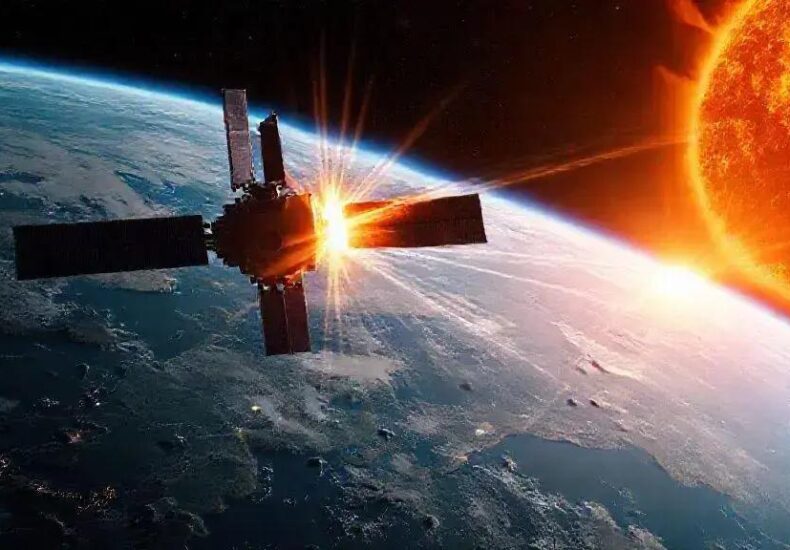
The Impact of Solar Flares on GPS and Navigation Services
GPS impact from solar flares occurs when bursts of solar radiation disrupt satellite signals, causing navigation errors, signal delays, and temporary outages, which can be mitigated by monitoring space weather, using advanced technologies, and employing backup navigation methods.
Ever noticed your GPS acting up? GPS Impact from solar flares can mess with navigation systems in surprising ways. Let’s explore what really happens when the sun throws a fit and your devices lose their way.
how solar flares interfere with gps signals
Solar flares release bursts of electromagnetic energy that can travel through space and interfere with signals sent by GPS satellites. These bursts cause ionospheric disturbances, which disrupt the radio waves GPS devices rely on to calculate precise locations.
When a solar flare hits Earth’s atmosphere, it increases the density of charged particles in the ionosphere, causing signals to scatter and become delayed. This results in signal degradation and can lead to errors in positioning data.
GPS receivers depend on clear, synchronized signals from multiple satellites. However, during intense solar flare events, this synchronization can break down, causing devices to provide inaccurate or lost location information.
The impact varies depending on the flare’s intensity and the user’s location on Earth, often causing more severe effects near the poles where the Earth’s magnetic field directs charged particles.
Types of Signal Disruptions
Scintillation is a common phenomenon during solar flares, where GPS signals rapidly fluctuate in strength and phase, similar to the twinkling of stars. This can cause temporary loss of signal lock and degraded accuracy.
In extreme cases, solar flares can lead to complete GPS signal blackouts, particularly affecting critical operations like aviation and maritime navigation.
the science behind solar flares and their effects
Solar flares are powerful bursts of radiation coming from the sun’s surface. They occur when magnetic energy built up in the sun’s atmosphere is suddenly released. This event sends intense light and energetic particles into space.
The flare’s energy travels at nearly the speed of light and can reach Earth within minutes. When these particles hit Earth’s magnetic field, they create disturbances in the ionosphere, the part of the atmosphere that reflects and modifies radio waves.
The Role of the Sun’s Magnetic Field
The sun’s magnetic field plays a crucial role in solar flares. When twisted magnetic field lines suddenly realign, they release huge amounts of energy. This process is called magnetic reconnection and is responsible for most solar flares.
This energy release produces X-rays and ultraviolet radiation, which can affect satellites and disrupt communication systems, including GPS signals.
Effects on Earth’s Environment
Solar flares can cause geomagnetic storms that disturb Earth’s magnetic field. These storms impact navigation systems by introducing errors in satellite signal transmissions.
The increased charged particles in the ionosphere during flares can reflect and absorb radio waves unpredictably, challenging reliable communication and positioning.
types of gps disruptions caused by solar activity
Solar activity can cause several types of disruptions to GPS signals, impacting accuracy and reliability. These disruptions range from minor signal delays to complete loss of navigation capability.
Signal Scintillation
One common issue is signal scintillation, where rapid fluctuations in signal strength and phase occur due to irregularities in the ionosphere. This causes GPS receivers to momentarily lose lock on the satellite signals, resulting in positioning errors.
Signal Delay
Solar storms increase the density of free electrons in the ionosphere, causing radio waves to slow down and take longer to reach receivers. Signal delay leads to inaccurate distance calculations, which in turn affect location precision.
Signal Loss and Blackouts
During intense solar flares, severe ionospheric disturbances can cause temporary signal loss or blackouts. This affects the ability of GPS devices, especially in aviation and maritime navigation, to determine positions or maintain course.
Multipath Errors
Solar activity can also increase ionospheric irregularities that cause GPS signals to reflect off surfaces, leading to multipath errors. These reflected signals interfere with direct ones, which reduces accuracy.
Understanding these disruptions helps users and industries prepare for reduced GPS reliability during periods of high solar activity.
real-world examples of navigation failures
Solar flares and related solar activity have caused significant navigation failures in real-world scenarios. These incidents show how vulnerable GPS and navigation systems can be to space weather events.
Aviation Navigation Disruptions
In 2017, a strong solar storm interfered with GPS signals used by commercial flights, causing pilots to switch to backup navigation systems. This event highlighted the critical dependence on GPS and the need for alternative solutions during solar flare events.
Maritime Navigation Errors
Ships relying on GPS have experienced positioning errors during intense solar activity, leading to off-course routes and delayed arrivals. Some vessels reported unexpected drift that was later traced back to solar-induced signal disturbances.
Military Impact
The military often depends on GPS for mission-critical operations. Solar flares have temporarily degraded signal quality, forcing reliance on conventional navigation methods. These interruptions can pose risks in active combat or strategic movements.
Such examples emphasize the importance of understanding and preparing for GPS interruptions caused by solar events to avoid navigation hazards.
technology used to mitigate solar flare impacts
To reduce the effects of solar flares on GPS and navigation, several technologies have been developed. These solutions focus on detecting solar activity early and improving signal reliability.
Solar Weather Monitoring
Space weather monitoring systems use satellites and ground-based sensors to track solar flares and predict their impact on Earth. This early warning allows GPS operators and users to prepare for possible disruptions.
Augmentation Systems
Satellite-Based Augmentation Systems (SBAS) and Ground-Based Augmentation Systems (GBAS) enhance GPS accuracy by correcting signal errors caused by atmospheric disturbances including solar flares. These systems improve positioning precision for aviation and other critical services.
Redundant GPS Constellations
The use of multiple satellite constellations, such as GLONASS, Galileo, and BeiDou alongside GPS, increases navigation reliability. If signals from one system are impacted by solar activity, others can compensate to maintain accurate location data.
Advanced Algorithms
Modern GPS receivers employ advanced filtering and error correction algorithms to minimize the impact of solar-induced signal disturbances. These technologies help filter out noise and maintain better signal lock during solar events.
Robust Hardware Design
Devices are built with resilient components that can withstand electromagnetic interference. This robust hardware design helps maintain function even during intense solar activity, ensuring continuous navigation support.
how solar weather forecasting helps gps users
Solar weather forecasting involves tracking and predicting solar activity such as solar flares and coronal mass ejections (CMEs) that can affect GPS signals. This information helps GPS users prepare for potential disruptions ahead of time.
Monitoring Solar Activity
Agencies use satellites equipped with sensors to detect changes on the sun. Data on solar flares and energetic particles are analyzed to provide early warnings about possible impacts on GPS and communication systems.
Forecasting Impact on GPS
Solar weather forecasts predict the timing and severity of ionospheric disturbances caused by solar events. This allows GPS operators to anticipate signal degradation or interruptions and adjust accordingly to maintain accuracy.
User Alerts and Advisories
Forecasters issue alerts to industries and the public about upcoming solar storms. These advisories help users take precautions, such as switching to backup systems or delaying sensitive navigation tasks during high solar activity.
Improving Navigation Reliability
With reliable solar weather forecasts, GPS users can minimize risks by planning routes and operations around periods of weak solar activity. This leads to safer and more dependable navigation experiences.
best practices for maintaining reliable navigation
Maintaining reliable navigation during solar flare events requires awareness and practical steps to reduce GPS disruptions.
Regular Software Updates
Keep your GPS device’s software up to date. Manufacturers often release updates that improve signal processing and resilience against solar activity.
Use Multi-Constellation Receivers
Devices capable of accessing multiple satellite constellations like GPS, GLONASS, and Galileo provide more reliable positioning by switching between systems when one is affected by solar interference.
Monitor Space Weather Reports
Stay informed about solar activity through space weather alerts. This can help you plan critical navigation tasks during periods of low solar activity and avoid disruptions.
Have Backup Navigation Systems
Always have alternative navigation methods such as inertial navigation systems, paper maps, or radio navigation aids, especially for critical operations like aviation and maritime.
Optimize Antenna Placement
Ensure your GPS antenna is placed in locations with a clear view of the sky to reduce signal blockage and multipath errors, which can worsen during solar storms.
By following these best practices, users can enhance the reliability of their navigation systems even when solar flares impact GPS signals.
future advancements in gps resilience
The future of GPS resilience is promising with new technologies aimed at overcoming disruptions caused by solar flares and space weather.
Quantum Satellite Clocks
One advancement is the development of quantum clocks for satellites. These clocks offer unprecedented precision, reducing errors in positioning caused by signal delays and improving overall GPS reliability.
AI and Machine Learning
Artificial intelligence is being used to predict solar activity impacts more accurately and adjust GPS signals in real time. These smart systems can anticipate disruptions and automatically correct positioning errors.
Improved Satellite Constellations
Next-generation satellite constellations will feature more satellites in orbit with better interconnectivity. This provides redundancy and increased coverage, minimizing the effects of a single satellite’s signal loss.
Enhanced Signal Encryption
Stronger signal encryption techniques are being designed to protect GPS data from interference and spoofing, which can worsen during solar events.
Integration with Alternative Navigation Systems
Future GPS systems will increasingly integrate with alternative navigation methods like inertial navigation and terrestrial signals, creating hybrid systems that remain reliable even when GPS signals are degraded.
what users can do during solar flare events
During solar flare events, GPS users can take several steps to minimize the impact on navigation and communication.
Stay Informed About Space Weather
Regularly check space weather forecasts and alerts from trusted agencies. Being aware of upcoming solar activity helps users prepare for possible GPS disruptions.
Limit Critical Navigation Tasks
Avoid important navigation activities during peak solar flare times. This reduces risks caused by inaccurate positioning or temporary signal loss.
Use Backup Systems
Switch to alternative navigation methods such as inertial navigation systems, paper maps, or radio-based navigation if GPS signals become unreliable during a solar event.
Update Devices
Keep GPS devices and software updated to benefit from improved signal processing and resilience features designed to handle solar interference better.
Plan for Delays
Expect possible delays or errors in navigation during solar flares. Build extra time into travel plans and stay flexible to adjustments.
Increase Signal Reception
Try to maintain a clear line of sight to the sky for better satellite signal reception. Moving to open areas or adjusting antenna placements can help improve GPS performance.
By following these practical steps, users can reduce the negative impacts of solar flare events on their GPS navigation and stay safer during periods of space weather disturbances.
Understanding the impact of solar flares on GPS
Solar flares have a clear effect on GPS and navigation systems, causing disruptions that can affect daily activities and critical operations alike.
By learning about these effects and adopting strategies like monitoring space weather, using backup systems, and employing advanced technology, users can reduce risks and maintain reliable navigation.
The future holds promising advancements that will further improve GPS resilience against solar activity, making navigation safer and more accurate for everyone.
Staying informed and prepared is key to minimizing the impact of solar flares on your GPS experience.
FAQ – Frequently Asked Questions About Solar Flares and GPS Impact
What are solar flares and how do they affect GPS?
Solar flares are bursts of radiation from the sun that cause disturbances in the Earth’s ionosphere, disrupting GPS signals and causing positioning errors.
Can solar flares cause GPS signal loss?
Yes, strong solar flares can cause temporary GPS signal loss or blackouts, affecting navigation accuracy and reliability.
How can I prepare for GPS disruptions caused by solar flares?
Stay informed about space weather forecasts, keep your GPS device updated, use backup navigation methods, and plan critical navigation tasks during low solar activity periods.
What technologies help reduce the impact of solar flares on GPS?
Technologies such as solar weather monitoring, augmentation systems, multi-constellation receivers, and advanced signal algorithms help mitigate the effects of solar flares on GPS.
How reliable is GPS during solar flare events?
GPS reliability can decrease during solar flare events due to signal delays and disruptions, but modern technology and forecasting help maintain better accuracy.
Are there future solutions to improve GPS resilience against solar activity?
Yes, advancements like quantum satellite clocks, AI-based prediction systems, improved satellite constellations, and enhanced encryption aim to make GPS more resilient to solar flare impacts.
You may also like



Leave a Reply