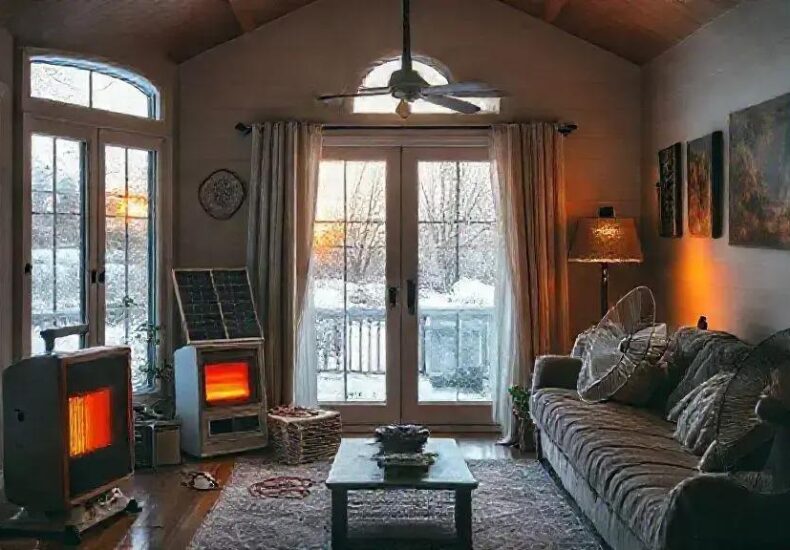
Alternative Heating and Cooling Solutions During Extended Blackouts
Heating/Cooling during extended blackouts requires alternative solutions such as portable heaters, solar-powered devices, generators, and energy-efficient insulation to maintain comfort and safety without relying on electricity.
Facing an extended blackout? Heating/Cooling becomes a real challenge when the power goes out. Have you ever wondered how to keep your home comfortable without relying on the grid? Let’s explore some smart, alternative solutions that might surprise you.
understanding the challenges of heating and cooling during blackouts
When the power goes out during a blackout, heating and cooling systems typically stop working, which can cause discomfort and even danger. Homes without backup power lose their ability to regulate temperature, leading to cold indoor conditions in winter and heat buildup in summer. This is especially risky for children, elderly, and those with health issues.
One major challenge is that most modern HVAC systems rely on electricity to operate fans, compressors, and pumps. Without power, these components cannot circulate air or run heating elements. Additionally, many homes lack adequate insulation, which makes it harder to retain heat or cool air during outages.
Another issue is the limited availability of alternative energy sources like generators or battery backups, which may not have enough fuel or charge to last the entire blackout. Moreover, safety concerns arise when people try to use unsafe heating or cooling methods, such as indoor use of gas-powered devices.
Understanding these challenges is the first step to preparing for power outages. Planning and having reliable alternatives ready can help maintain comfort and safety until electricity is restored.
passive heating and cooling techniques for homes
Passive heating and cooling rely on design features that use natural energy flows to maintain comfortable indoor temperatures. These techniques reduce the need for electrical systems during blackouts, making them essential for extended power outages.
Passive Heating Techniques
Solar gain through south-facing windows captures sunlight, warming rooms during cold months. Using thermal mass materials like concrete or brick floors helps store heat during the day and release it slowly at night.
Sealing air leaks and adding weather stripping improves heat retention by preventing warm air from escaping. Using heavy curtains or insulated blinds also helps keep heat inside after sunset.
Passive Cooling Techniques
Natural ventilation, such as opening windows strategically, encourages air flow to cool indoor spaces. Cross-ventilation is effective to push warm air out and bring cooler air in.
Using shading devices like awnings, trees, or reflective window films blocks direct sunlight and reduces heat buildup. Light-colored exterior paints reflect sunlight, while roof insulation keeps heat from entering the home.
Incorporating these methods can significantly improve comfort without power, lowering reliance on electrical heating and cooling during blackouts.
portable alternative heating options to consider
During extended blackouts, portable heating options become essential for maintaining warmth and safety. Portable propane heaters are popular because they provide efficient heat without electricity. However, it’s important to use them in well-ventilated areas to prevent carbon monoxide buildup.
Electric-powered heaters with battery backups offer a safer indoor alternative if you have a charged power bank or portable battery system. These help keep small spaces warm without fuel fumes.
Catalytic heaters work by chemical reactions and don’t require an open flame, making them safer for indoor use. They run on propane or natural gas and provide steady heat over several hours.
Other options include kerosene heaters, which generate strong heat but must be operated carefully due to fumes and fire risk. Always follow manufacturer guidelines and safety precautions.
Choosing the right portable heating device depends on your home size, ventilation, and fuel availability. Prepare by having backup fuel and carbon monoxide detectors to stay safe during blackout heating.
using solar-powered heating and cooling devices
Solar-powered heating and cooling devices offer a sustainable alternative during extended blackouts by harnessing energy from the sun. These systems often include solar panels paired with battery storage to provide power when the grid is down.
Solar Heaters
Solar air heaters use sunlight to warm air, which is then circulated into the home. They are simple, require little maintenance, and work best in sunny climates. Solar water heaters capture sun energy to heat water, reducing the need for electric or gas heating.
Solar-Powered Fans and Coolers
Solar-powered fans help improve air circulation without electricity. Evaporative coolers running on solar energy use water evaporation to cool the air efficiently, perfect for dry climates.
Important considerations include the size of your solar system, battery capacity, and ensuring devices have energy-efficient designs. Combining solar heating and cooling with good insulation enhances overall comfort.
These devices provide a reliable, eco-friendly solution to maintain pleasant indoor temperatures when traditional power sources fail.
generator-based solutions for extended power outages
Generators are a reliable solution for heating and cooling during extended power outages. They provide electricity to power essential appliances and HVAC systems when the grid is down.
Types of Generators
Portable generators are versatile and can power select devices. They are fueled by gasoline, propane, or diesel but require careful operation outdoors to avoid carbon monoxide risks.
Standby generators are permanently installed and automatically turn on during outages. They often run on natural gas or propane and provide seamless power for whole-home heating and cooling systems.
Using Generators Safely
Keep generators away from doors, windows, and vents to prevent carbon monoxide poisoning. Regular maintenance, such as oil changes and fuel checks, ensures reliable operation.
Planning ahead involves having enough fuel stored safely and knowing the generator’s power limits to avoid overloads. Using transfer switches can safely connect generators to home electrical systems.
Generators offer a practical way to maintain comfort during blackouts but require knowledge and caution to operate safely and effectively.
how to safely use wood stoves and fireplaces
Wood stoves and fireplaces are popular heating options during blackouts, but safety must be the top priority. Proper installation by a professional ensures that these devices operate efficiently and reduce fire risks.
Safe Operation Tips
Always use seasoned, dry wood to minimize creosote buildup, which can cause chimney fires. Keep the stove or fireplace clean by regularly removing ashes and inspecting the chimney for blockages or damage.
Maintain a safe clearance around the stove or fireplace. Keep flammable materials like furniture, curtains, and rugs far away to prevent accidental fires.
Ventilation and Carbon Monoxide Safety
Proper ventilation is crucial. Ensure that chimneys and vents are unobstructed to allow smoke and gases to exit the home safely. Use carbon monoxide detectors in rooms where wood stoves or fireplaces are in use to alert occupants to dangerous gas levels.
Never use wood stoves or fireplaces as the sole source of heat without adequate ventilation. Educate all household members on emergency procedures in case of smoke or fire.
With proper care and attention, wood stoves and fireplaces provide effective, safe heating during power outages.
energy-efficient insulation tips that make a difference
Effective insulation is key to maintaining comfortable temperatures during blackouts by reducing heat loss in winter and heat gain in summer. Investing in energy-efficient insulation can make a significant difference in your home’s heating and cooling needs.
Seal Gaps and Cracks
Use caulk or weather-stripping around windows, doors, and other openings to block drafts. Even small gaps can cause significant heat transfer, making your heating and cooling efforts less effective.
Use Insulated Curtains and Window Films
Heavy, insulated curtains help keep warmth in during cold weather and block sunlight to reduce heat during warm months. Adding window films can further improve insulation by reflecting heat away.
Attic and Wall Insulation
Upgrading attic insulation with materials like fiberglass or spray foam traps air and prevents heat from escaping upward. Wall insulation also helps maintain indoor temperatures and reduces energy usage.
Insulate Floors and Basements
Adding insulation under floors and in basements can stop cold air from seeping into living areas. Rugs and carpets also add an insulation layer that improves warmth.
Combining these insulation tips can reduce reliance on heating and cooling systems during outages, keeping your home more comfortable for longer periods.
battery-powered fans and heaters: what to know
Battery-powered fans and heaters are convenient options to maintain comfort during power outages. They operate independently of the electrical grid and rely on rechargeable batteries or replaceable battery packs.
Battery Life and Power
The runtime of these devices depends on their battery capacity and power consumption. Fans generally use less power and can run longer, while heaters consume more energy and may run for shorter periods on battery power.
Types of Battery-Powered Devices
Portable battery fans offer cool air circulation and are lightweight, making them easy to move around the home. Some include USB charging options, making them versatile for various power backup systems.
Battery-powered heaters often use ceramic or infrared technology to efficiently convert electricity into heat. Look for units with adjustable settings to manage power use and heating levels.
Charging and Safety Tips
It’s important to keep batteries fully charged before an outage and have spare batteries if possible. Follow manufacturer guidelines for safe charging and operation to avoid overheating or battery damage.
While battery-powered fans and heaters can’t replace whole-home systems, they provide effective localized comfort during blackouts and complement other alternative heating and cooling solutions.
planning ahead: emergency kits for heating and cooling
Creating an emergency kit for heating and cooling is vital to prepare for extended blackouts. The kit should include essential items that keep you safe and comfortable when power is unavailable.
Heating Essentials
Include items such as battery-powered heaters, portable propane heaters, or safe wood-burning equipment with sufficient fuel. Also, pack extra blankets, warm clothing, and thermal sleeping bags to retain body heat.
Cooling Essentials
For hot weather, include battery-powered fans, cooling towels, and spray bottles. Consider also solar-powered fans and access to plenty of drinking water to stay hydrated.
Additional Safety Items
Carbon monoxide detectors are crucial when using fuel-based heaters indoors. Hand warmers, flashlights, and a supply of batteries ensure you remain safe during extended outages.
Regularly check and update your emergency kit to replace expired items and verify battery life. Having a well-stocked kit reduces stress and improves resilience during blackout conditions.
maintaining indoor air quality without electricity
Maintaining indoor air quality without electricity can be challenging but is essential for health and comfort during extended blackouts. Proper ventilation and minimizing indoor pollutants are key.
Natural Ventilation
Open windows and doors strategically to allow fresh air to circulate. Cross-ventilation helps move stale air out and bring fresh air in, reducing indoor contaminants.
Use of Plants
Indoor plants like spider plants, peace lilies, and snake plants help improve air quality by absorbing pollutants and releasing oxygen.
Avoid Indoor Pollutants
Limit the use of candles, fireplaces, and fuel-based heaters as they can emit harmful pollutants. When using wood stoves or fireplaces, ensure proper ventilation.
Humidity Control
Use moisture absorbers like silica gel or charcoal to control humidity and prevent mold growth, which can worsen air quality.
Regular Cleaning
Keep your home clean and dust-free by sweeping and dusting regularly to lower allergens and particulate matter.
By combining these methods, you can maintain healthier indoor air even when electrical ventilation systems are unavailable.
Staying comfortable during extended blackouts
Planning ahead with alternative heating and cooling options is key to staying safe and comfortable when the power goes out. Understanding challenges and using solutions like portable heaters, solar devices, and energy-efficient insulation helps maintain indoor comfort without electricity.
Safe use of wood stoves, generators, and proper ventilation improves safety during outages. Building an emergency kit and maintaining air quality also play important roles.
By combining these strategies, you can prepare your home to handle extended blackouts more effectively and keep your family comfortable no matter the circumstances.
FAQ – Alternative Heating and Cooling Solutions During Extended Blackouts
What are the safest alternative heating options during a blackout?
Safe options include portable propane heaters used in well-ventilated areas, battery-powered heaters, and properly installed wood stoves with adequate ventilation.
How can solar-powered devices help with heating and cooling during power outages?
Solar-powered heaters and fans use sunlight to generate energy, providing eco-friendly heating and cooling without relying on the electrical grid.
What precautions should I take when using a generator for heating and cooling?
Keep generators outdoors away from windows and vents to avoid carbon monoxide poisoning, maintain fuel supplies safely, and use transfer switches to connect to home electrical systems.
How can I improve my home’s insulation to prepare for blackouts?
Seal gaps with weather-stripping, use insulated curtains, upgrade attic and wall insulation, and insulate floors and basements to retain heat and cool air effectively.
What should be included in an emergency heating and cooling kit?
Include battery-powered heaters and fans, portable propane heaters with fuel, extra blankets, carbon monoxide detectors, flashlights, and plenty of drinking water.
How can I maintain good indoor air quality without electricity?
Use natural ventilation by opening windows for cross-breezes, incorporate indoor plants, avoid indoor pollutants, control humidity with moisture absorbers, and keep your home clean.
You may also like



Leave a Reply