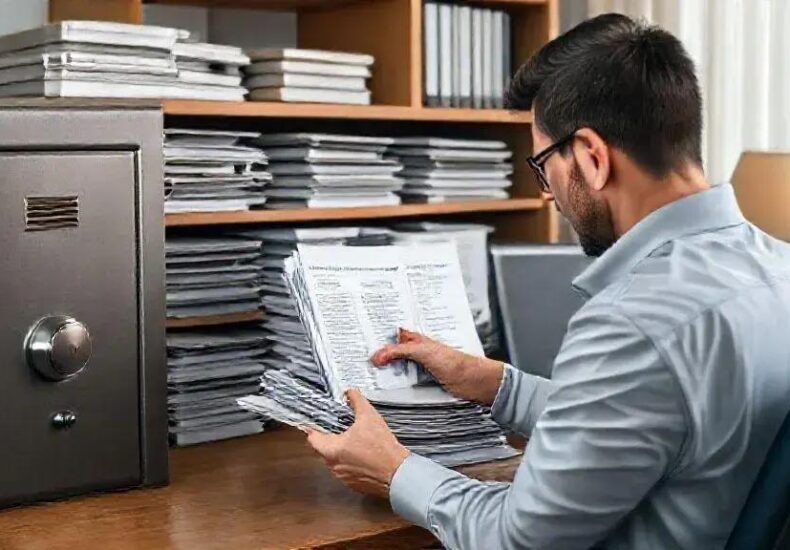
Securing Important Documents and Financial Records
Important documents must be securely stored using fireproof safes, encrypted digital backups, and organized systems to prevent theft, loss, and unauthorized access, ensuring protection of identity, finances, and legal rights.
When it comes to safeguarding your important documents, a little care goes a long way. Ever wondered how much trouble a lost or stolen financial record can cause? Let’s explore simple, effective strategies to keep these vital papers safe and sound.
why securing important documents matters
Securing your important documents is essential because these papers carry your identity, financial information, and legal rights. Losing or exposing them can lead to identity theft, financial loss, or legal complications. For example, misplaced tax returns or bank statements might disrupt your financial planning, while stolen personal IDs can be used fraudulently.
Protecting Your Identity
Many documents, like passports and social security cards, verify who you are. If these fall into the wrong hands, someone can pretend to be you, causing serious trouble. Keeping these safe is the first step in protecting your personal information.
Preventing Financial Loss
Documents such as bank records, investment portfolios, and insurance papers have sensitive data. Unauthorized access could mean stolen funds or canceled coverage. That’s why securing these files prevents costly financial damage.
Ensuring Legal Security
Legal documents, like wills and property deeds, establish your rights and ownership. Losing these can delay important procedures or cause disputes. A secure place ensures your legal interests remain safeguarded.
Overall, securing important documents gives you peace of mind and protects you from unnecessary risks. Taking this seriously helps avoid complications that could affect your personal and financial well-being.
types of documents you should protect
Not all documents hold the same value, but certain types require special protection due to their importance. Personal identification documents like passports, birth certificates, and social security cards are crucial because they prove your identity and citizenship.
Financial Documents
Documents such as bank statements, tax returns, pay stubs, loan papers, and investment records contain sensitive information. Protecting these can prevent fraud and financial theft.
Legal Documents
These include wills, powers of attorney, property deeds, vehicle titles, and marriage certificates. Losing or damaging these documents can cause legal complications and delays.
Insurance and Medical Records
Insurance policies and medical records hold personal data and proof of coverage or health history. Secure storage ensures privacy and quick access when needed.
Keeping these documents safe helps you avoid identity theft, financial loss, and legal troubles. Identifying and organizing these important papers is key to proper protection.
risks of not securing financial records
Failing to secure your financial records exposes you to several serious risks. One major concern is identity theft, where criminals use your personal and financial information to open accounts, apply for loans, or make unauthorized purchases in your name.
Financial Loss and Fraud
Without protection, sensitive documents like bank statements and credit card information can be stolen, leading to direct financial loss. Repairing the damage caused by fraud can be time-consuming and costly.
Legal and Tax Issues
Missing or lost financial records may result in errors when filing taxes or handling legal proceedings. This could lead to penalties, fines, or delays in resolving important matters.
Difficulty in Financial Management
When records are not secured and organized, it becomes hard to track expenses, plan budgets, or provide proof of income. This can complicate loan applications, insurance claims, and other financial transactions.
Overall, not securing your financial records can create unnecessary stress and risks that affect your security and peace of mind. Taking steps to protect these documents is crucial for financial health.
choosing the right storage solutions
Choosing the right storage solutions is essential to keep your important documents safe and accessible. There are both physical and digital options, and selecting the best method depends on your needs and the level of security required.
Physical Storage Options
For tangible documents, consider using fireproof and waterproof safes to protect against damage and theft. Lockable filing cabinets also offer organized security for frequently accessed papers.
Digital Storage Solutions
Digitizing documents allows safe and convenient access while reducing physical clutter. Use cloud storage services with strong encryption and two-factor authentication. External hard drives and USBs offer offline backups but should be stored securely.
Organizational Tools
Label folders clearly and separate documents by category, such as personal, financial, and legal papers. This makes retrieval faster and reduces the risk of loss or misplacement.
Evaluating your storage needs carefully helps in choosing solutions that protect your documents effectively while ensuring you can access them when necessary.
how to organize documents for easy access
Organizing your important documents for easy access helps you find what you need quickly while keeping everything secure. Start by sorting documents into clear categories such as personal, financial, legal, and medical records. Use labeled folders or binders to keep each category separated.
Use a Consistent Labeling System
Labels should be simple and descriptive, like “Tax Returns” or “Insurance Policies.” This makes retrieval straightforward and prevents confusion.
Create an Index or Inventory
Maintaining a checklist or digital record of your documents helps you know exactly where each item is and what you have stored. This reduces the chance of losing important papers.
Designate a Specific Storage Area
Keep all documents in one accessible but secure place. This could be a filing cabinet, a fireproof safe, or a dedicated shelf. Avoid scattering documents around your home.
Regularly review and update your organized system to remove outdated papers and add new ones. This ensures your files stay relevant and manageable.
digital security for important files
Digital security plays a vital role in protecting your important files from unauthorized access and loss. Using strong, unique passwords for your devices and accounts is the first step to keep hackers out.
Enable Two-Factor Authentication
This adds an extra layer of protection by requiring a second verification step, such as a code sent to your phone, making it harder for intruders to access your files.
Use Encryption
Encrypting your files or folders ensures that even if someone gains access, they cannot read the information without the decryption key.
Regular Backups
Keep backups of your digital documents on secure cloud services or external drives. This helps you recover files in case of accidental deletion, hardware failure, or cyberattacks.
Beware of Phishing and Malware
Avoid clicking suspicious links or downloading attachments from unknown sources, as they can compromise your security. Use reliable antivirus software and keep it updated.
Maintaining strong digital security habits helps protect your files and gives you confidence that your important information stays private and safe.
using physical security measures
Using physical security measures is key to protecting your important documents from theft, loss, or damage. Start with a sturdy, fireproof safe to store papers like passports, wills, and financial records securely at home.
Secure Lock and Key
Choose safes or filing cabinets with reliable locking mechanisms. Electronic locks with keypad codes or biometric options offer added security beyond standard keys.
Restricted Access
Limit who can access your documents by keeping them in a locked area. Sharing codes or keys only with trusted individuals ensures fewer risks.
Environmental Protection
Besides theft, physical damage from fire or water can ruin documents. Use waterproof containers and fire-resistant materials to protect important papers.
Combining these physical measures creates a secure environment that significantly reduces risks to your vital records.
tips for backing up essential documents
Backing up essential documents is crucial to protect against loss, damage, or theft. Start by creating digital copies of all important papers using a scanner or a mobile scanning app.
Use Multiple Backup Methods
Store backups on secure cloud services for easy access and recovery. Additionally, keep copies on external hard drives or USB flash drives stored separately from the originals.
Regularly Update Backups
Set a schedule to update your backups, especially after adding new documents or making changes. This ensures your stored data stays current and accurate.
Encrypt Sensitive Backups
Protect your digital backups by encrypting files or using password-protected storage. This adds a layer of security if devices are lost or hacked.
Having reliable and secure backups guarantees that your important documents are safe and can be restored quickly when needed.
what to do in case of document loss or theft
In case of document loss or theft, acting quickly is essential to minimize damage and protect yourself. Start by reporting the incident to the proper authorities, such as the police and the institutions that issued the documents.
Notify Financial Institutions
Contact your bank, credit card companies, and credit bureaus immediately to alert them of the situation. They can freeze accounts or monitor for suspicious activity.
Replace Important Documents
Apply for replacement IDs, passports, or legal documents as soon as possible. Many government websites offer guides and online forms to speed up the process.
Monitor Your Accounts
Keep a close watch on your financial statements and credit reports to detect any unauthorized transactions or accounts opened in your name.
Take Preventive Measures
After recovery, improve your document security by using safes, encrypted storage, and secure backups to reduce the risk of future loss or theft.
Prompt and thorough action helps you regain control and protect your identity and assets when important documents are lost or stolen.
Securing Your Important Documents Is Essential
Protecting your important documents and financial records helps safeguard your identity, finances, and legal rights. Using smart storage solutions, both physical and digital, ensures your papers stay safe and accessible.
Organizing and backing up your documents regularly can save you time and stress in the event of loss or theft. Staying vigilant with security measures, like encryption and strong passwords, adds extra protection in today’s digital world.
Taking these simple but effective steps offers peace of mind and guards against potential problems. Remember, secure documents mean a more secure future.
FAQ – Securing Important Documents and Financial Records
Why is it important to secure my important documents?
Securing important documents protects your identity, finances, and legal rights from theft, loss, or damage.
What types of documents should I protect?
You should protect personal IDs, financial records, legal papers, insurance policies, and medical records to prevent fraud and loss.
What are the best storage options for important documents?
Use fireproof safes for physical documents and encrypted cloud storage or external drives for digital backups to ensure security.
How can I protect my digital files?
Use strong passwords, enable two-factor authentication, encrypt files, and keep regular backups on secure platforms.
What steps should I take if my documents are lost or stolen?
Report the loss to authorities, notify financial institutions, replace important documents, and monitor your accounts for suspicious activity.
How often should I back up my important documents?
Regularly back up your documents, especially after making changes or adding new files, to ensure your backups stay current and reliable.
You may also like




Leave a Reply