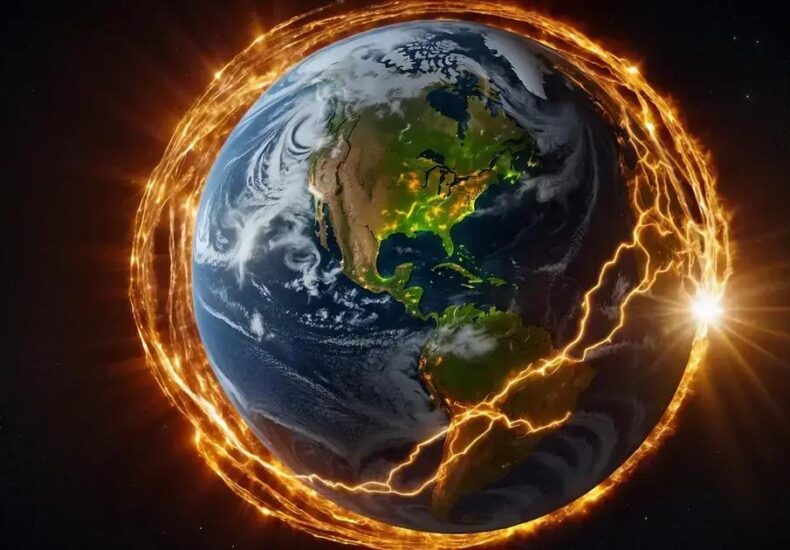
Will a Solar Storm Destroy the Internet? Setting the Record Straight
Internet destruction by solar storms is improbable because the internet’s decentralized design resists total failure, though strong solar activity can cause temporary disruptions to satellites, power grids, and communication networks.
Internet Destruction? This question sparks a lot of curiosity and even fear. Could a solar storm really knock out your connection? Let’s unpack the science and separate fact from fiction so you know what to expect.
what is a solar storm and how does it happen
Solar storms are powerful disturbances in space weather caused by the Sun’s activity. These events usually start with solar flares or coronal mass ejections (CMEs), which release vast amounts of energy and charged particles into space.
When a solar flare occurs, it emits intense bursts of radiation, while a CME shoots billions of tons of solar plasma into the solar system. If these charged particles head toward Earth, they interact with our planet’s magnetic field, causing geomagnetic storms.
How Solar Storms Develop
The Sun’s magnetic field is constantly shifting and twisting. Sometimes these changes cause magnetic energy to build up and suddenly release, producing a flare or CME. This release can accelerate solar particles to high speeds, making their way through space in about one to three days.
Once these particles reach Earth, they can disturb the magnetosphere and the ionosphere. This disturbance can lead to beautiful auroras but also disrupt communication systems and power grids.
Frequency and Intensity
Solar storms follow an approximately 11-year cycle known as the solar cycle, with periods of high and low solar activity. During solar maximum, flares and CMEs happen more often, increasing the chances of geomagnetic storms affecting Earth.
However, not every solar storm hits Earth directly, and their impact varies depending on strength and direction. Stronger storms have a higher potential to cause disruptions in technology operating on Earth and in orbit.
effects of solar storms on internet infrastructure
Solar storms can have several effects on internet infrastructure, mainly due to the charged particles and electromagnetic disturbances they send toward Earth. When these particles hit the Earth’s magnetic field, they cause geomagnetic storms that can interfere with electronic systems.
Impact on Submarine Cables and Data Centers
Submarine internet cables, which connect continents, rely on repeaters powered by electrical currents. Geomagnetic storms can induce currents that disrupt this power supply, potentially harming repeaters and affecting data flow across oceans.
Data centers, which store and route internet traffic, can be vulnerable if their power systems are exposed to sudden surges caused by solar activity. Backup systems help prevent data loss but may not fully mitigate all risks.
Damage to Satellite Systems
Many parts of the internet depend on satellites for communication and navigation. Solar storms can damage satellite electronics and interfere with signal transmission, causing slower connections or outages.
Disruptions to GPS and Timing Networks
The internet relies on precise timing signals often provided by GPS satellites. Disturbances from solar storms can degrade GPS accuracy, which may affect network synchronization and lead to slowdowns or errors.
While severe damage to internet infrastructure is rare, geomagnetic storms pose challenges requiring robust protection measures. Ongoing monitoring and technological upgrades aim to minimize these solar storm effects on connectivity.
real risks versus myths about internet destruction
There are many myths surrounding the idea of internet destruction caused by solar storms. While it’s true that strong solar activity can disrupt technologies, the idea that the entire internet could be destroyed is an exaggeration.
Common Myths
One myth claims that a solar storm could instantly disable all internet connections worldwide. In reality, the internet is a complex, decentralized network. Damage to one part doesn’t mean a total blackout.
Another myth suggests that a solar storm will permanently fry all electronic devices connected to the internet. However, many devices and networks are built with protective measures and backup systems to reduce damage.
Understanding Real Risks
Solar storms can cause temporary outages, slowdowns, and localized disruptions, especially impacting satellites, power grids, and undersea cables. These effects can lead to delays or loss of internet service temporarily, but not total destruction.
Governments and companies take precautions, such as hardening infrastructure, real-time monitoring, and emergency response plans to handle these events effectively.
Knowing the difference between facts and fears helps us prepare for solar storms realistically and avoid unnecessary panic about internet destruction.
how governments and companies prepare for solar storms
Governments and companies recognize the threat solar storms pose to critical infrastructure, so they have developed strategies to prepare and reduce potential damage. This includes monitoring space weather and strengthening key systems.
Space Weather Monitoring
Agencies like NASA and NOAA use satellites and ground-based instruments to constantly track solar activity. Early warnings allow governments and companies to activate protective measures before a storm hits Earth.
Hardening Infrastructure
Power grids, communication networks, and internet infrastructure are reinforced to withstand geomagnetic disturbances. Techniques include installing surge protectors, improving grounding systems, and using resilient hardware designed to tolerate voltage spikes.
Emergency Plans and Protocols
Companies and governments create response plans to minimize impact. This involves coordinated communication, rerouting data traffic, and ensuring backup power supplies are ready. Training exercises help staff respond efficiently when a solar storm nears.
Investment in Research and Technology
Ongoing research focuses on better predicting solar storms and developing technologies that can recover quickly from disruptions. Collaboration between scientific organizations and industry helps improve global resilience.
By combining monitoring, infrastructure upgrades, emergency readiness, and innovation, governments and companies work proactively to safeguard internet connectivity during solar storm events.
practical tips to protect your internet access during solar events
Protecting your internet access during solar events involves simple steps to minimize disruptions and keep your devices safe.
Use Surge Protectors
Electromagnetic surges caused by solar storms can damage electronic devices. Plugging your modem, router, and computer into a surge protector can prevent damage from unexpected power spikes.
Keep Backup Power Sources
Solar storms can affect power grids leading to outages. Having a backup such as a UPS (uninterruptible power supply) or portable battery can keep your internet equipment running during short outages.
Stay Informed About Space Weather
Follow reliable sources like NOAA’s Space Weather Prediction Center for alerts. Knowing when a solar storm is expected allows you to prepare in advance by saving work and reducing sensitive online activity.
Limit Critical Online Activities
During severe solar events, try to avoid important online tasks like financial transactions or meetings. Disruptions or slow connections may cause issues, so plan critical activities outside predicted storm windows.
Regularly Back Up Important Data
While solar storms rarely cause permanent data loss, unexpected outages can interrupt processes. Regular backups ensure your information is safe no matter what happens to your internet connection.
By following these practical tips, you can reduce the risk of internet disruptions and protect your devices during solar storms.
Understanding and preparing for solar storms
Solar storms can impact the internet but total destruction is unlikely. By knowing the facts and separating myths from reality, we can better prepare for these events.
Governments and companies work hard to protect critical infrastructure, while individuals can take practical steps to reduce disruption to their internet access.
Staying informed and using protective tools like surge protectors and backup power helps keep you connected during solar storms.
With the right knowledge and preparation, we can face solar storms confidently and keep the internet running smoothly.
FAQ – Common Questions About Solar Storms and Internet Impact
Can a solar storm completely destroy the internet?
No, the internet is a vast and decentralized network, so a solar storm might cause disruptions but not total destruction.
How do solar storms affect internet infrastructure?
Solar storms can induce electrical surges that may damage satellites, undersea cables, data centers, and power grids, potentially causing temporary outages.
What measures do governments take to prepare for solar storms?
They monitor space weather, harden infrastructure, create emergency plans, and invest in research to reduce the impact of solar storms.
How can I protect my internet devices during a solar storm?
Using surge protectors, having backup power supplies, and staying informed about solar activity can help protect your equipment and maintain connectivity.
Are solar storms common?
Solar storms follow an 11-year cycle with periods of high and low activity. Severe solar storms are less frequent but can have more significant effects.
Where can I get reliable updates about solar storms?
Reliable updates are available from agencies like NOAA’s Space Weather Prediction Center and NASA, which provide forecasts and alerts.
You may also like



Leave a Reply