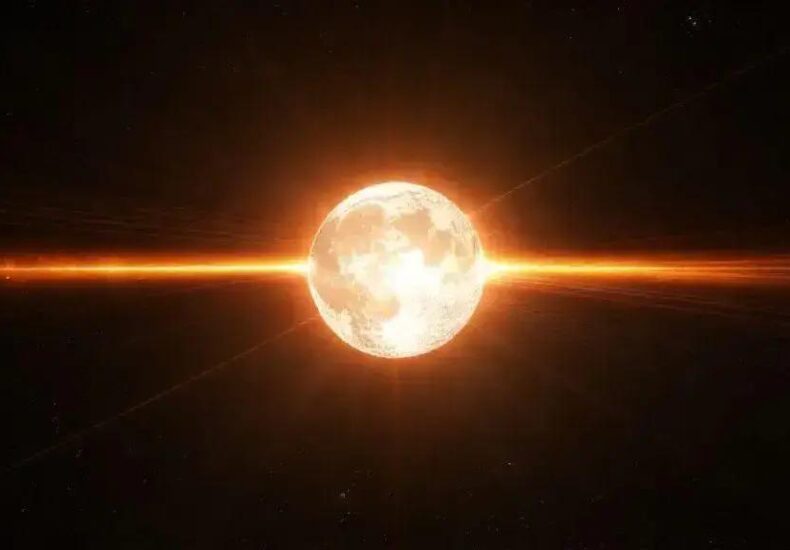
Does the Moon Shield Us from Solar Radiation?
The Moon does not shield Earth from solar radiation due to its lack of atmosphere and magnetic field but stabilizes Earth’s axial tilt, influences tides, and helps protect the planet by blocking space debris, making it vital to Earth’s climate and safety.
Lunar Shield? Many wonder if our lunar neighbor actually plays a part in protecting us from solar radiation. Curious about the truth behind this cosmic relationship? Let’s unpack what science says and how it connects to our daily lives on Earth.
Understanding solar radiation and its effects
Solar radiation is the energy emitted from the Sun in the form of electromagnetic waves, including visible light, ultraviolet (UV) rays, and X-rays. This radiation travels through space and reaches Earth, impacting our atmosphere, climate, and living organisms. Understanding solar radiation is crucial because it influences weather patterns and can affect human health through exposure to UV rays.
Types of Solar Radiation
Solar radiation includes several types of energy. Visible light allows us to see, while UV rays can cause skin burns and long-term damage. Infrared radiation carries heat, warming the Earth’s surface. Each type interacts differently with Earth’s atmosphere.
Effects on Earth and Humans
The Earth’s atmosphere protects us by filtering harmful solar radiation, especially UV rays. However, excessive exposure to UV radiation can cause skin cancer and eye problems. Solar radiation also affects satellites and communication systems, sometimes causing disruptions.
Solar Radiation and Climate
Variations in solar radiation influence Earth’s climate. Changes in solar energy can lead to warming or cooling periods, affecting ecosystems and weather. Monitoring solar activity helps scientists understand these climate effects better.
Overall, solar radiation shapes many aspects of our environment and daily life, making it essential to study its properties and impacts carefully.
The moon’s composition and atmosphere (or lack thereof)
The Moon’s surface is made up of rocky materials, primarily silicates like oxygen, silicon, magnesium, iron, calcium, and aluminum. Unlike Earth, the Moon has no substantial atmosphere to speak of. Instead, it has an extremely thin layer called an exosphere, composed mostly of trace gases such as helium, neon, and hydrogen.
Surface Composition and Features
The lunar surface is covered with a layer of dust and crushed rock called regolith. This layer is created by constant impacts from meteoroids and the harsh solar wind. The rocks on the Moon vary from dark basaltic plains called maria to bright, rugged highlands.
Atmosphere or Exosphere?
Unlike Earth’s thick atmosphere that protects us, the Moon’s exosphere is so thin that particles rarely collide. This means the Moon cannot retain heat or shield against solar radiation. The absence of a protective atmosphere makes the lunar surface vulnerable to space weather and radiation.
Understanding the Moon’s composition and lack of atmosphere is key when considering its limited ability to shield Earth from solar radiation or protect astronauts during missions.
How Earth’s magnetic field protects us from solar radiation
Earth’s magnetic field acts like a giant shield that protects us from harmful solar radiation. This magnetic field extends far into space and deflects charged particles from the Sun, such as protons and electrons, preventing them from reaching the surface.
The Magnetosphere
The area influenced by Earth’s magnetic field is called the magnetosphere. It traps many dangerous solar particles in regions known as the Van Allen radiation belts. Without this protection, solar radiation could strip away the atmosphere and harm living organisms.
How the Magnetic Field Deflects Particles
The magnetic field forces charged solar particles to spiral along magnetic lines, redirecting them away from Earth. Some particles get funneled toward the poles, causing the Northern and Southern Lights, or auroras. This interaction shows the magnetic field’s critical role in managing solar radiation.
Impact on Technology and Life
The magnetic field also protects satellites and communications from solar storms and radiation bursts. By deflecting most of the harmful radiation, it helps maintain Earth’s atmosphere and climate stability, enabling life to thrive.
Understanding Earth’s magnetic protection explains why our planet remains safe amid the Sun’s intense radiation.
The moon’s role in blocking or redirecting solar particles
The Moon lacks a magnetic field and a thick atmosphere, which means it cannot effectively block or redirect solar particles like Earth does. When solar radiation reaches the Moon, it directly impacts its surface, causing changes in the lunar soil and creating a layer of charged particles.
Interaction with Solar Particles
Solar wind particles hit the Moon’s surface without much resistance. Some of these particles are absorbed, but many are reflected or cause the release of secondary particles from the surface materials. This process can alter the properties of the lunar soil over time.
The Moon’s Shadow Effect
Although the Moon does not have a protective shield, it can block solar particles temporarily for objects directly behind it. This shadow effect means the Moon can provide brief protection in space from solar radiation during its orbit, but this is limited and local.
Implications for Earth and Space Missions
Since the Moon cannot redirect or block solar radiation effectively, it does not serve as a significant shield for Earth. However, understanding how solar particles interact with the Moon is critical for astronaut safety and designing equipment for lunar exploration.
The Moon’s inability to protect us highlights the importance of Earth’s magnetic field and atmosphere in shielding life from solar radiation.
Differences between lunar and Earth radiation shielding
Earth and the Moon experience solar radiation differently due to their unique properties. Earth has a strong magnetic field and a thick atmosphere, which work together to shield life from harmful solar particles. In contrast, the Moon lacks both, making it far more exposed to radiation.
Earth’s Radiation Shielding
Earth’s magnetic field deflects the majority of charged solar particles, creating the magnetosphere that protects our planet. The atmosphere further absorbs harmful ultraviolet rays, preventing them from reaching the surface. This combination allows life to thrive under relatively safe conditions.
Lunar Radiation Exposure
The Moon has no global magnetic field and only a very thin exosphere, providing little to no protection against solar radiation. The lunar surface is constantly bombarded by these particles, which can damage its soil and pose risks for astronauts. Without shielding, radiation levels on the Moon are much higher than on Earth.
Implications for Exploration
Because of these differences, space missions to the Moon must include special radiation protection measures for astronauts and equipment. Understanding these contrasts helps scientists develop better technologies for safe lunar exploration and shows why the Moon cannot shield Earth from solar radiation.
Scientific studies about solar radiation on the moon’s surface
Scientific studies of solar radiation on the Moon’s surface have been conducted through various missions and experiments. These studies reveal how intense solar particles constantly bombard the lunar surface due to its lack of atmosphere and magnetic field.
Lunar Reconnaissance Orbiter (LRO) Findings
The LRO has gathered detailed data about radiation levels and solar particle impacts on the Moon. Its instruments measure the energy and frequency of cosmic rays and solar wind particles, helping scientists understand the harsh conditions astronauts face.
Lunar Soil and Radiation Effects
Research shows that solar radiation alters the composition of lunar soil, creating charged particles known as the lunar regolith. This interaction affects the surface’s physical and chemical properties, which is vital for future lunar base planning.
Apollo Missions Data
During the Apollo missions, astronauts experienced solar radiation firsthand. Data collected helped develop better radiation shielding for space travel. These studies are still crucial in planning safer missions to the Moon.
Overall, scientific research highlights the intense solar radiation environment on the Moon, emphasizing the need for advanced protective measures for future explorers.
Potential impacts if the moon didn’t exist
The Moon plays a crucial role in stabilizing Earth’s climate and environment. Without the Moon, several significant changes could occur, affecting life on our planet. One of the main impacts would be the disruption of Earth’s axial tilt, which controls seasons and climate patterns.
Unstable Axial Tilt and Climate
Without the Moon’s gravitational pull, Earth’s tilt could vary drastically over time. This would cause extreme changes in climate and seasons, making it harder for ecosystems and human societies to adapt.
Effects on Ocean Tides
The Moon is the primary force behind Earth’s tides. Without it, tides would be much weaker, affecting marine life and coastal ecosystems that depend on the regular movement of water. These tidal changes could disrupt fishing, breeding cycles, and nutrient distribution.
Impacts on Day Length and Rotation
The Moon slows Earth’s rotation through tidal friction. Without this, days would be shorter, potentially changing weather patterns and affecting biological rhythms. This faster rotation might increase natural disasters like storms.
The absence of the Moon would deeply affect Earth’s environment, climate stability, and life support systems, showing just how vital it is to our planet’s balance.
How astronauts deal with solar radiation on the moon
Astronauts on the Moon face high levels of solar radiation due to the lack of atmospheric and magnetic protection. To stay safe, they rely on specially designed spacesuits and lunar habitats with built-in radiation shielding.
Spacesuit Protection
The spacesuits worn during lunar missions include layers of materials that block solar particles and UV rays. These suits protect astronauts from sudden solar storms and the constant solar wind. Radiation shielding in the suit is critical to prevent harmful exposure during moonwalks.
Lunar Habitat Shielding
Lunar habitats are designed with thick walls made from materials such as polyethylene, which block radiation effectively. Some concepts include covering habitats with lunar soil (regolith) to add extra protection from cosmic rays and solar radiation.
Monitoring Solar Activity
Astronauts and mission control constantly monitor solar activity. When dangerous solar flares or storms are predicted, astronauts limit their time outside or seek shelter in shielded areas. This proactive approach reduces radiation risks significantly.
Effective protection and monitoring are essential for astronaut safety during lunar missions, highlighting the challenges of living and working on the Moon.
Future lunar missions and radiation protection challenges
Future lunar missions face significant challenges due to intense solar radiation on the Moon. Unlike Earth, the Moon offers no natural protection, making radiation shielding a top priority for safe long-term human presence.
Advanced Radiation Shielding Technologies
Scientists are developing new materials and structures to protect astronauts and equipment. These include lightweight radiation shields using polyethylene and hydrogen-rich materials, which are effective against solar and cosmic radiation.
Habitat Design Innovations
Lunar habitats are being designed with layers of regolith or water shielding to absorb radiation. Innovative designs may bury habitats underground or use magnetic fields to create artificial shields, reducing exposure for astronauts.
Mission Planning and Monitoring
Careful timing of missions to avoid solar storms, along with real-time radiation monitoring, helps manage risks. Future missions will incorporate advanced sensors and predictive models to protect crews from radiation surges.
Addressing these radiation protection challenges is crucial for the success of long-term lunar exploration and potential colonization.
What the moon’s shielding means for Earth’s climate and safety
The Moon provides indirect benefits to Earth’s climate and safety, mainly through its gravitational influence and the way it stabilizes Earth’s axial tilt. This stability contributes to a consistent climate that supports life over long periods.
Axial Tilt Stabilization
The Moon’s gravity helps keep Earth’s tilt steady, preventing extreme shifts that would cause severe climate changes. This steady tilt maintains regular seasons, which are vital for ecosystems and agriculture.
Impact on Ocean Tides
By creating tides, the Moon influences ocean currents and marine life. These tides help regulate Earth’s climate by driving heat distribution across the planet. Strong tides contribute to a balanced climate system.
Protection from Space Hazards
While the Moon does not shield Earth from solar radiation, it can block some space debris and meteoroids from hitting Earth directly during its orbit. This gravitational effect reduces potential impacts, contributing to Earth’s safety.
The Moon’s role in stabilizing Earth and influencing natural systems makes it a critical part of our planet’s climate and safety mechanisms.
Understanding the Moon’s Role in Earth’s Protection
The Moon may not shield us directly from solar radiation, but its influence on Earth’s climate and safety is significant. From stabilizing our planet’s tilt to impacting tides and reducing space debris threats, the Moon plays a vital part in maintaining conditions for life.
As we look toward future lunar missions, addressing radiation challenges on the Moon itself becomes crucial. The knowledge gained will help protect astronauts and deepen our understanding of space environments.
Ultimately, appreciating the Moon’s indirect yet powerful effects on Earth helps us value its presence beyond just being a night-time companion.
FAQ – Common Questions About the Moon’s Role in Protecting Earth
Does the Moon protect Earth from solar radiation?
The Moon does not have a strong magnetic field or atmosphere, so it cannot shield Earth from solar radiation directly.
How does the Moon affect Earth’s climate?
The Moon stabilizes Earth’s axial tilt, which helps maintain consistent seasons and a stable climate.
Can the Moon block space debris from hitting Earth?
Yes, the Moon’s gravity can attract and block some space debris, reducing the number of objects hitting Earth.
Why is radiation protection important for astronauts on the Moon?
The Moon lacks natural radiation shields, so astronauts face high levels of solar radiation, requiring special suits and habitats for protection.
How do Earth’s magnetic field and atmosphere protect us?
Earth’s magnetic field deflects charged solar particles, while the atmosphere absorbs harmful radiation, both working together to protect life.
What challenges do future lunar missions face regarding radiation?
Future missions must develop advanced shielding, habitat designs, and monitoring to protect astronauts from intense solar and cosmic radiation on the Moon.
You may also like

Leave a Reply