How Earth’s Magnetosphere Defends Us from Solar Onslaughts
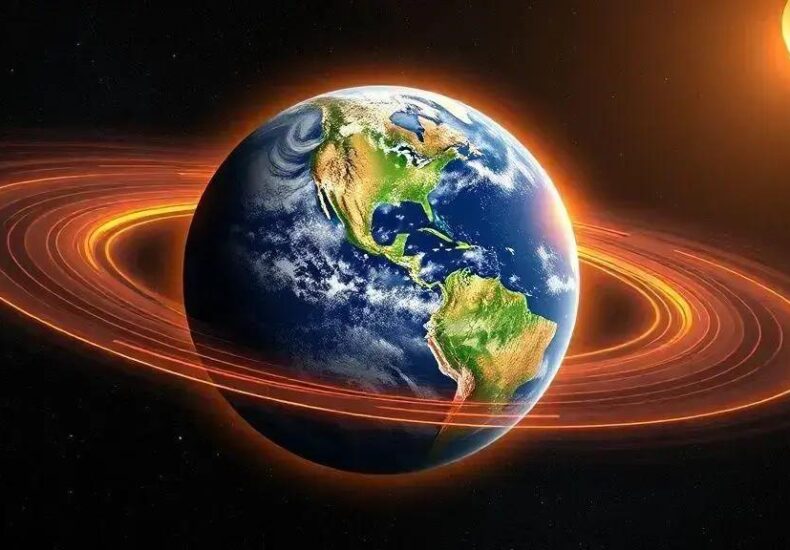
Magnetosphere defense is Earth’s natural magnetic shield that deflects harmful solar wind and radiation, protecting the planet’s atmosphere, life, and technological systems from solar storms.
Magnetosphere defense might sound like sci-fi, but it’s our planet’s unseen guardian against fiery solar outbursts. Ever wondered how Earth stays safe while the sun hurls powerful storms our way? This invisible shield plays a huge role, and getting to know it can change how you see space and life on our planet.
what is the earth’s magnetosphere?
The Earth’s magnetosphere is a vast, invisible magnetic shield surrounding our planet. It is created by the movement of molten iron within the Earth’s outer core, generating a magnetic field that extends thousands of miles into space. This magnetic field plays a critical role in protecting Earth from harmful solar radiation and charged particles emitted by the sun, commonly known as solar wind.
The magnetosphere acts like a giant invisible bubble that deflects solar particles, preventing them from stripping away the atmosphere and causing damage to living organisms. Without this natural defense system, life on Earth would be exposed to intense radiation and disruptions in global communication systems.
Scientists study the magnetosphere through satellites and ground-based instruments to understand its structure and behavior. The magnetosphere is not static; it constantly changes shape in response to solar activity, sometimes compressing during solar storms and expanding during quieter periods. This dynamic nature is vital to maintaining the delicate balance that sustains life on Earth.
how solar activity threatens earth
Solar activity includes phenomena like solar flares and coronal mass ejections (CMEs) that release huge amounts of energy and charged particles into space. When these solar events head towards Earth, they can have serious effects on our planet’s environment and technology.
Solar flares emit bursts of radiation that can disturb Earth’s upper atmosphere, affecting radio communications and navigation systems. CMEs, on the other hand, send fast-moving clouds of solar plasma charged with energetic particles, which can collide with and disturb Earth’s magnetic field.
When these solar particles interact with the magnetosphere, they can create geomagnetic storms. These storms have the potential to disrupt power grids, damage satellites, and increase radiation exposure for astronauts and high-altitude flights. In extreme cases, they may even lead to temporary blackouts and communication failures.
The increased radiation from solar activity also poses risks to human health and can interfere with GPS systems and radio signals. This makes monitoring solar activity crucial to preparing and protecting our technological infrastructure and daily lives.
the magnetosphere as a protective shield
The magnetosphere functions as Earth’s vital protective shield, guarding the planet from the relentless solar wind and harmful cosmic radiation. It deflects charged particles emitted by the sun, preventing them from reaching the surface and causing damage.
How the magnetosphere protects Earth
Solar wind consists of plasma containing charged particles like electrons and protons that travel at high speeds. When these particles encounter the magnetosphere, they are guided around Earth by magnetic field lines, avoiding direct impact.
This deflection helps preserve the atmosphere by stopping solar wind from stripping away atmospheric gases. It also safeguards living organisms by limiting exposure to dangerous radiation that can cause cellular damage.
During strong solar storms, the magnetosphere absorbs and redirects energy, which can cause phenomena like the northern and southern lights—brilliant displays created by charged particles colliding with atmospheric gases.
The magnetosphere’s complex layers include the bow shock, magnetosheath, and magnetotail, all working together to manage and buffer solar energy. This dynamic system adapts constantly, expanding or contracting depending on solar activity, maintaining a balance that protects life and technology on Earth.
effects of solar storms on earth without protection
Without the magnetosphere’s protection, solar storms would have devastating effects on Earth. These storms release high-energy particles and intense radiation that can penetrate the atmosphere, causing widespread damage.
Power grids and infrastructure are highly vulnerable to geomagnetic storms. Large currents induced by solar storms can overload electrical networks, leading to blackouts that may last days or weeks. These outages disrupt essential services, impacting millions of people.
Satellites in orbit face increased risks of failure or damage when exposed to intense solar radiation. This affects GPS navigation, weather forecasting, and global communications. In addition, radiation can harm astronauts in space and passengers on high-altitude flights.
Communication systems, such as radio and radar signals, can be scrambled or blocked during intense solar storms. This interference affects aviation, military operations, and emergency response capabilities.
On a biological level, without this shield, increased cosmic and solar radiation would raise health risks for all living organisms, causing DNA damage and increasing cancer rates. The loss of atmosphere over time is another concern, making Earth less hospitable.
scientific studies on magnetosphere defense
Scientific studies on magnetosphere defense have deepened our understanding of how this magnetic shield protects Earth from solar and cosmic threats. Researchers use satellites, space probes, and ground-based observatories to monitor the magnetosphere’s shape, strength, and reactions to solar activity.
Key missions and technologies
Notable missions like NASA’s THEMIS and the European Space Agency’s Cluster project gather data on magnetic storms and their impact. These missions help map the magnetosphere’s complex layers and study phenomena such as magnetic reconnection, which plays a role in solar storm energy transfer.
Laboratory experiments and computer simulations also contribute by modeling interactions between solar wind particles and Earth’s magnetic field. These models help predict storm effects and develop early warning systems.
Recent discoveries reveal that the magnetosphere’s boundaries fluctuate constantly, influenced by solar wind pressure and interplanetary magnetic fields. This dynamic behavior is crucial for maintaining its protective capabilities.
Scientific insights guide efforts to safeguard satellites, power grids, and communication networks by improving space weather forecasting. Understanding magnetosphere defense is vital for preparing against solar storms and protecting modern technology.
how technology benefits from magnetosphere protection
Technology benefits greatly from the Earth’s magnetosphere protection. This magnetic shield prevents harmful solar radiation and charged particles from damaging satellites, communication systems, and power grids. Without it, our modern technology would be at constant risk during solar storms.
Satellites and space technology
Satellites that enable GPS, weather forecasting, and global communication rely on the magnetosphere to avoid exposure to intense solar radiation. This protection helps maintain their lifespan and functionality, ensuring we have accurate navigation and data.
Power grids and communication networks
Solar storms can induce electric currents that disrupt power grids and communication networks. The magnetosphere reduces the intensity of these storms, lowering the chance of grid failures and communication blackouts that could affect millions.
Impact on aviation and astronauts is also significant. The magnetosphere shields airplanes flying at high altitudes and humans in space from dangerous cosmic radiation, enhancing safety during flights and missions.
Ongoing research and advanced space weather forecasts rely on understanding the magnetosphere to better protect infrastructure. This knowledge helps engineers design technology that can withstand space weather effects, improving reliability and safety.
future challenges for earth’s magnetic shield
The Earth’s magnetic shield faces several future challenges that could impact its ability to protect us. One major concern is the gradual weakening of the magnetic field, which scientists have observed over the past century. This decrease could make the magnetosphere less effective against solar and cosmic radiation.
Magnetic pole shifts
The magnetic poles are constantly moving and have even flipped in Earth’s history. These pole reversals, which take thousands of years, could cause temporary weaknesses in the shield, increasing vulnerability to solar storms during the transition period.
Impact of climate change and human activity
Although Earth’s internal magnetic processes drive the magnetosphere, climate change and human activities could indirectly affect it. For example, changes in atmospheric composition or increased radiation exposure might interact with magnetic field dynamics, though this remains a topic of research.
Technological dependence on space-based systems increases the stakes. As society grows more reliant on satellites, GPS, and power grids, any weakening in the shield could have bigger consequences for communication, navigation, and infrastructure.
To meet these challenges, continuous research, advanced monitoring, and improved space weather forecasting are essential. Understanding the magnetosphere’s behavior will help us prepare for and mitigate risks in a changing environment.
ways we monitor and study the magnetosphere
Scientists monitor and study the magnetosphere using a combination of spacecraft, ground stations, and computer models. These tools help us understand how the magnetosphere behaves and reacts to solar activity, allowing us to predict space weather events that could impact Earth.
Satellites and space missions
Satellites like NASA’s THEMIS and the European Space Agency’s Cluster mission orbit Earth to collect data about the magnetic field, charged particles, and solar wind interactions. These missions provide real-time information about the magnetosphere’s response to solar storms.
Ground-based observatories
Networks of ground stations track the geomagnetic field and measure fluctuations caused by solar activity. Instruments like magnetometers and radar systems help monitor changes in Earth’s magnetic environment from the surface.
Computer simulations and models are essential for interpreting collected data. These models simulate the complex processes within the magnetosphere, improving our ability to forecast geomagnetic storms and mitigate their effects on technology and infrastructure.
By combining these methods, scientists continue to improve our knowledge of the magnetosphere, helping protect life and technology on Earth from the sun’s volatile activity.
Understanding the importance of Earth’s magnetosphere
The magnetosphere plays a crucial role in protecting our planet from the harmful effects of solar storms and cosmic radiation. Its ability to shield Earth helps preserve life, technology, and the atmosphere.
Continuous study and monitoring of the magnetosphere improve our understanding of space weather and enable better protection of satellites, power grids, and communication systems.
As we face future challenges like magnetic field weakening and increased technological reliance, staying informed and prepared is essential to safeguard our planet and the technology we depend on every day.
FAQ – Understanding Earth’s Magnetosphere and Its Protection
What is the Earth’s magnetosphere?
The magnetosphere is a magnetic field around Earth that protects the planet from harmful solar wind and cosmic radiation.
How does the magnetosphere protect Earth from solar storms?
It deflects charged particles from the sun, preventing them from damaging the atmosphere and disrupting technology.
What can happen if the magnetosphere weakens?
A weaker magnetosphere can lead to increased exposure to solar radiation, causing damage to satellites, power grids, and communication systems.
How do scientists study the magnetosphere?
Researchers use satellites, ground observatories, and computer models to monitor and analyze the magnetosphere’s behavior and response to solar activity.
Why is it important to monitor space weather?
Monitoring space weather helps predict solar storms and protect critical technology and infrastructure on Earth from their effects.
What role does the magnetosphere play in protecting human health?
It reduces the exposure to harmful cosmic and solar radiation that can cause DNA damage and increase health risks for living organisms.
You may also like



Leave a Reply