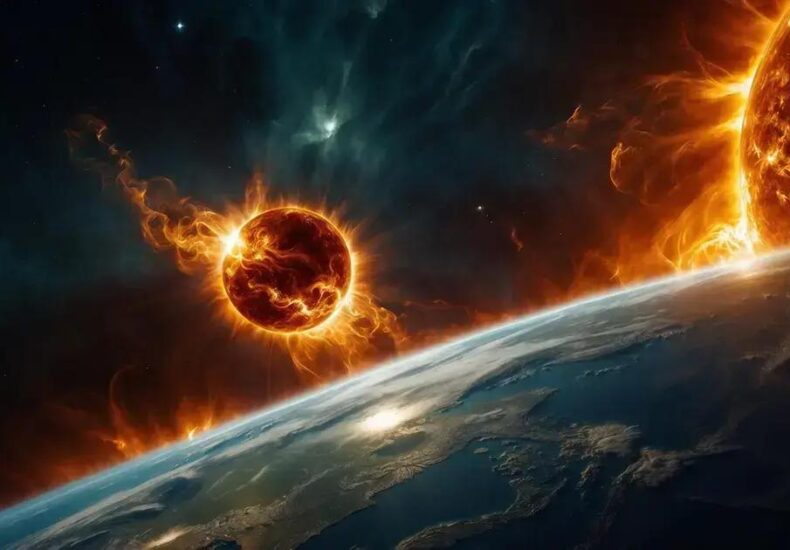
Top 10 Solar Storm Myths Debunked
Myth Debunking about solar storms reveals they do not cause natural disasters or health issues on Earth but can disrupt technology and power grids, with proper monitoring and preparation minimizing their effects.
Myth Debunking around solar storms often mixes fact and fiction, leading to all sorts of wild ideas. Ever wondered which stories hold water and which are just noise? Let’s clear the air and explore the real deal behind these cosmic events.
common misconceptions about solar storms
Many people hold common misconceptions about solar storms that can cause unnecessary worry. One widespread myth is that solar storms will immediately knock out all electricity on Earth. In reality, while strong solar storms can disrupt power grids, the technology is designed to withstand these events, and total blackouts are rare.
Another myth suggests that solar storms are frequent catastrophic events, but they actually occur in cycles, approximately every 11 years, coinciding with the solar cycle. Most solar storms have mild effects and go unnoticed by the general public.
Some believe that solar storms cause major earthquakes or volcanic eruptions. Scientific studies show no direct correlation between solar activity and geological events on Earth. These natural disasters have their own independent causes.
People also often think that solar storms pose a serious health threat to humans on the surface. While astronauts in space need protection during intense solar radiation, Earth’s magnetic field and atmosphere provide effective shielding for us.
Understanding these misconceptions helps reduce fear and focus on real risks posed by solar storms, such as potential disruptions to satellites and communication systems. Public education is key to improving awareness about what solar storms truly mean for daily life.
how solar storms affect modern technology
Solar storms can have a significant impact on modern technology, causing disruptions that affect our daily lives. One of the main ways solar storms interfere is by disturbing satellites orbiting Earth. These satellites are crucial for communication, GPS navigation, and weather monitoring.
Solar particles can damage satellite electronics and create errors in their systems. This can lead to interruptions in phone service, internet connectivity, and television broadcasts. Aviation can also be affected as some flights rely on satellite signals for navigation over polar routes.
Impact on power grids
Solar storms can induce electric currents in power lines, which may overload transformers and cause power outages. While power companies have safeguards and monitoring systems, intense solar events still pose some risk to electrical infrastructure, especially in high-latitude regions.
Communication and technology risks
Radio communications, especially those that rely on high-frequency bands, can be disrupted during solar storms. This affects emergency services, military operations, and marine navigation. Understanding these risks allows operators to prepare and minimize disruptions.
In addition, technology like GPS systems can experience degraded accuracy during solar storms due to changes in the Earth’s ionosphere—the layer of the atmosphere that radio waves pass through.
Preparing for solar storm effects involves close monitoring of solar activity by space weather agencies. Early warnings help satellite operators and power companies take protective actions to reduce potential damage.
debunking the myth of solar storms causing disasters
There are many myths claiming that solar storms cause dramatic disasters on Earth, but these are largely exaggerated. Solar storms do not trigger natural disasters like earthquakes or tsunamis. Scientific studies have shown no connection between solar storm activity and seismic or volcanic events.
Another myth suggests that solar storms can destroy all electronics instantly. While strong storms can cause temporary issues, modern technology is designed to withstand such events. Power grids and satellites have safety measures in place to handle solar storm effects.
Some people believe solar storms will cause a global blackout lasting weeks or months. In reality, even the largest recorded solar storms have only caused localized, short-term power interruptions. Recovery efforts are usually quick and effective.
Common fears versus facts
Popular culture often fuels myths showing solar storms as apocalyptic events. However, the reality is more nuanced. Solar storms can disrupt technology and cause challenges, but they are rarely catastrophic. Awareness and preparation reduce their impact significantly.
Understanding what solar storms can and cannot do helps separate fact from fiction. This clarity prevents unnecessary panic and encourages focusing on realistic risks and solutions.
truth about solar storms and human health
Many myths suggest that solar storms directly harm human health, but the truth is less alarming. The Earth’s magnetic field and atmosphere act as strong shields, protecting most people from the harmful effects of solar radiation.
Space travelers and astronauts are more vulnerable to intense solar radiation during solar storms. They require special protective measures because they lack Earth’s natural defenses.
Effects on human health
On the Earth’s surface, solar storms can cause minor increases in radiation, but these levels are generally too low to cause any immediate health problems. Unlike other environmental hazards, solar storms do not lead to illnesses or health crises in the general population.
Some people report symptoms like headaches or fatigue during strong solar storms, but scientific evidence supporting a direct link to solar activity is weak. These symptoms may be influenced by other environmental or psychological factors.
Medical devices and electronics used for health purposes are designed to function properly even during solar events. Hospitals and emergency services have robust systems to avoid disruptions.
Overall, understanding the truth about solar storms and human health helps reduce unnecessary worries and highlights the importance of protective measures for those in space or high-altitude flights.
solar storms and their actual impact on power grids
Solar storms can cause geomagnetic disturbances that affect power grids around the world. These storms send charged particles into Earth’s magnetic field, inducing electric currents in long conductors like power lines.
Effects on power infrastructure
These induced currents can overload transformers and other equipment, causing temporary failures or damage. Power companies monitor space weather closely to anticipate potential threats and take action to protect critical infrastructure.
High-latitude regions near the poles are more vulnerable because Earth’s magnetic field lines there are more open to solar particles. This can lead to increased risk of power fluctuations or blackouts in those areas during intense solar activity.
Grid operators implement measures such as rerouting power, reducing load, or temporarily shutting down vulnerable lines to prevent damage during severe solar storms.
Historical impacts
The 1989 Quebec blackout is a well-known example caused by a solar storm. It left millions without power for hours due to transformer failures triggered by geomagnetic currents. Such events highlight the importance of preparedness and investment in resilient infrastructure.
Advances in technology and forecasting have improved responses, decreasing the frequency and severity of solar storm impacts on power grids worldwide.
how to prepare realistically for solar storm events
Preparing for solar storm events involves understanding their potential impacts and having plans in place to reduce risks. Monitoring space weather through services provided by organizations like NOAA and NASA gives early warnings about solar activity.
Emergency planning
Businesses and governments should develop emergency plans that include backup power supplies and protection for critical infrastructure. This helps maintain essential services during possible power disruptions caused by solar storms.
Individuals can prepare by keeping emergency kits with food, water, and batteries. Having alternate communication methods, like two-way radios, can also help if regular phone lines are disrupted.
Protecting technology
Shielding sensitive electronics and ensuring proper grounding of electrical systems reduces the risk of damage from geomagnetic currents. Power companies may temporarily shut down vulnerable equipment during high solar activity to prevent failures.
Organizations relying on satellite systems should have contingency plans for temporary outages. Using redundant communication paths and regularly updating software can improve resilience.
Public awareness campaigns play a key role in helping people understand solar storms without panic, focusing on practical steps to stay safe and maintain normalcy.
Understanding solar storms helps us stay prepared
Solar storms can cause disruptions, but by separating myths from facts, we can better manage their impact. Knowledge about how solar storms affect technology and health is key to staying calm and ready.
With proper monitoring and realistic preparation, communities and individuals can minimize risks and protect important systems. Staying informed helps prevent panic and supports smart actions when solar activity increases.
By learning the truth about solar storms, we can focus on effective strategies to keep technology running smoothly and safeguard everyday life against space weather challenges.
FAQ – Common Questions About Solar Storms and Their Impact
What is a solar storm?
A solar storm is a disturbance on the sun that releases a burst of energy, including solar flares and coronal mass ejections.
Can solar storms cause health problems for people on Earth?
No, Earth’s magnetic field and atmosphere protect us from harmful solar radiation, so solar storms generally do not affect human health.
How do solar storms affect modern technology?
Solar storms can disrupt satellites, GPS, radio communications, and power grids, potentially causing temporary outages or errors.
Are solar storms responsible for natural disasters like earthquakes?
No, scientific studies show no direct connection between solar storms and natural disasters such as earthquakes or volcanic eruptions.
How can power grids be protected from solar storms?
Power grid operators monitor solar activity and may reroute power or shut down vulnerable equipment to prevent damage during strong solar storms.
What can individuals do to prepare for solar storm effects?
People can keep emergency supplies, have backup communication methods, and stay informed through space weather warnings to be ready for possible disruptions.
You may also like

Leave a Reply