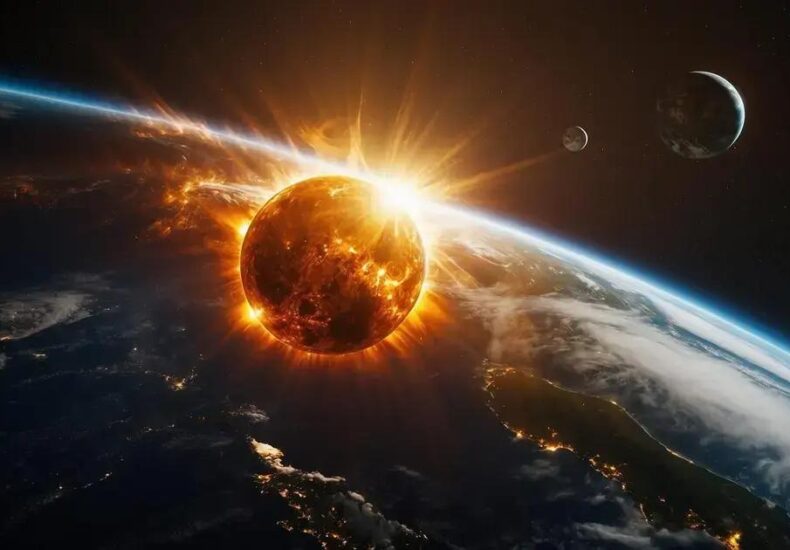
Latest NASA Warnings: Upcoming Solar Flares to Watch
NASA Warnings about solar flares provide crucial real-time alerts to protect satellites, communication systems, and power grids from solar radiation and geomagnetic storms that can disrupt technology and pose risks to astronauts.
NASA Warnings about solar flares are grabbing attention these days. Ever wondered how these bursts from the sun might mess with our gadgets and daily life? Let’s explore what’s coming and why it matters to you.
what are solar flares and why nasa monitors them
Solar flares are sudden, intense bursts of radiation coming from the sun’s surface. They happen when magnetic energy stored in the sun’s atmosphere is suddenly released. These flares send out powerful waves of energy and particles into space at incredible speeds.
Why NASA Monitors Solar Flares
NASA closely watches solar flares because they can directly affect Earth and our technology. When these flares are strong, they can disrupt satellite communications, GPS systems, and power grids. They can also pose risks to astronauts in space by exposing them to harmful radiation.
Monitoring solar flares helps give early warnings to industries and governments so they can prepare and protect sensitive equipment. Understanding these flares also improves our knowledge of the sun and space weather, which is vital for future space missions.
In addition, solar flares can create beautiful natural phenomena like the northern lights. However, they remind us how much we depend on technology that can be impacted by solar activity, making NASA’s monitoring efforts crucial for safety and awareness.
recent nasa observations on solar activity
NASA uses advanced satellites and observatories to keep constant watch on solar activity. Recent observations show an increase in solar flare events as the sun reaches its peak activity phase, known as the solar maximum. This cycle happens about every 11 years and is marked by a higher number of sunspots and solar storms.
Key Findings from Recent NASA Observations
NASA’s Solar Dynamics Observatory (SDO) has captured high-resolution images revealing complex magnetic fields on the sun’s surface. These fields can twist and snap, causing solar flares and coronal mass ejections (CMEs).
Additionally, the Parker Solar Probe has been collecting data from closer to the sun than ever before. This data helps scientists understand the sun’s corona and how solar winds accelerate. Insights from these missions improve predictions of when solar flares might occur.
In past months, NASA detected several moderate to strong solar flares, some accompanied by CMEs, which have the potential to impact Earth’s magnetic field. Real-time monitoring allows experts to warn about possible disruptions to communication systems and power grids.
These observations not only deepen our knowledge of solar processes but also enhance our ability to protect technology and infrastructure here on Earth.
potential impacts of solar flares on technology
Solar flares can cause serious disruptions to many technologies we rely on daily. These bursts of radiation affect Earth’s magnetic field, which can interrupt communication systems like radio, GPS, and satellite signals.
Impact on Communication and Navigation
Solar flares can cause radio blackouts by disturbing the ionosphere. This means pilots, ships, and emergency services might lose critical communication for short periods. GPS systems can also become inaccurate, affecting navigation for planes, cars, and smartphones.
Effects on Satellites and Space Equipment
Satellites orbiting Earth are vulnerable to the charged particles from solar flares. These particles can damage the sensitive electronics onboard, leading to malfunctions or even complete failure. This also threatens services like satellite TV, internet, and weather monitoring.
Risks to Power Grids
Strong solar flares coupled with coronal mass ejections can induce electrical currents in power lines. This can overload transformers and cause widespread power outages. The 1989 blackout in Quebec, Canada, is a famous example caused by solar activity.
Apart from these, solar flares can disrupt aviation by increasing radiation exposure for flight crews and passengers on high-latitude or high-altitude routes. This makes monitoring and forecasting solar flares essential to prepare and protect our technology.
how to stay updated with nasa warnings
Staying updated with NASA warnings about solar flares is crucial for individuals and organizations that rely on technology and communication systems. NASA offers several ways to receive timely information and alerts about solar activity.
Official Websites and Alerts
NASA’s official website and the Space Weather Prediction Center (SWPC) provide real-time updates on solar flares and related space weather events. Users can check daily solar activity reports, forecasts, and warnings directly from these sources.
Mobile Apps and Notifications
There are mobile apps available that pull data from NASA and NOAA sources to deliver customized alerts about solar flares and geomagnetic storms. These apps notify users instantly, allowing them to take precautions as needed.
Social Media and Newsletters
NASA’s social media accounts on platforms like Twitter and Facebook regularly post updates and warnings. Subscribing to newsletters from space weather organizations also keeps you informed with detailed analysis and alerts.
For professionals in sensitive industries, such as aviation, power, and communications, specialized monitoring services provide tailored alerts based on NASA data. This helps minimize risks and prepare for any disruptions caused by solar activity.
protective measures against solar flare effects
Protecting technology and infrastructure from solar flare effects requires proactive measures. Governments and industries work together to reduce risks caused by intense solar activity.
Technological Safeguards
Power grids can be equipped with devices that detect and block harmful currents caused by solar storms. This helps prevent damage to transformers and power outages during solar flare events.
Satellites are designed with shielding and backup systems to reduce the impact of charged particles. Engineers regularly update software to manage sudden disruptions caused by solar flares.
Operational Strategies
During high solar activity, organizations may delay sensitive operations like satellite launches or spacewalks to protect equipment and astronauts. Airlines might reroute flights away from polar areas to minimize radiation exposure.
Early warning systems from NASA and other agencies allow quick response to solar events. This helps industries and governments prepare for possible disruptions.
Personal Precautions
While solar flares rarely affect individuals directly, staying informed through official updates ensures you understand any impact on communication or navigation devices.
By combining technological, operational, and personal protective measures, society can better withstand the effects of solar flares and maintain safety and connectivity during space weather events.
future predictions and nasa’s role in space weather
Scientists predict that the sun will continue to follow its 11-year solar cycle, with periods of high and low activity. The next solar maximum is expected to bring more frequent solar flares and geomagnetic storms.
NASA’s Role in Space Weather Forecasting
NASA plays a key role in monitoring and predicting space weather. By using advanced satellites like the Solar Dynamics Observatory and the Parker Solar Probe, NASA collects detailed data on solar activity.
This data helps scientists develop models that forecast when solar flares and coronal mass ejections might occur. Early predictions allow governments and industries to prepare for potential disruptions.
Advancements in Space Weather Research
NASA is also investing in new technology to improve prediction accuracy, such as artificial intelligence and machine learning. These tools help analyze massive amounts of solar data more quickly and effectively.
Ongoing research aims to understand the sun’s magnetic field changes and their impact on space weather. This knowledge is vital for protecting astronauts, satellites, and critical infrastructure on Earth.
By continuing to enhance space weather forecasting, NASA helps reduce risks associated with solar activity and ensures safer space exploration in the future.
myths and facts about solar flares
Solar flares often attract a lot of myths and misunderstandings, so it’s important to separate facts from fiction.
Myth: Solar flares can cause earthquakes and natural disasters on Earth
Many believe solar flares trigger earthquakes or tsunamis. However, solar flares do not directly affect geological activity. They mainly influence Earth’s magnetic field and atmosphere, not the planet’s crust.
Fact: Solar flares impact technology and communication systems
Unlike myths, it’s well established that solar flares can disrupt satellites, radio signals, and power grids. These effects come from charged particles and radiation hitting Earth’s magnetosphere.
Myth: Solar flares make the sky brighter or cause visible explosions on Earth
Another misconception is that solar flares cause visible bright flashes or explosions in our sky. In reality, their effects are mostly invisible to the naked eye, except for phenomena like the aurora borealis in high latitudes.
Fact: NASA continuously monitors solar flares to protect technology and astronauts
NASA’s space weather monitoring is crucial to provide warnings. This ensures satellites are protected, astronauts can take precautions, and sensitive systems on Earth remain safe.
Understanding these facts helps to appreciate the real impact of solar flares and avoid unfounded fears.
Understanding and preparing for solar flares
Solar flares are powerful events from the sun that can affect our technology and daily lives. By staying informed through NASA warnings and understanding the facts, we can better protect our systems and infrastructure.
Advancements in space weather research and early warning systems are helping us prepare for future solar activity. Taking protective measures and knowing the truth about solar flares reduces risks and keeps us safe as we explore and live in a technology-driven world.
Paying attention to these space weather events empowers us to respond wisely and maintain the safety and function of our vital technologies.
FAQ – Frequently Asked Questions about NASA Warnings and Solar Flares
What are solar flares and why are they important?
Solar flares are sudden bursts of radiation from the sun’s surface. They are important because they can affect Earth’s magnetic field, impacting technology and communication systems.
How can solar flares affect daily technology use?
Solar flares can disrupt satellite signals, GPS navigation, radio communications, and power grids, causing interruptions in many technologies we rely on.
How does NASA monitor solar flares?
NASA uses satellites and probes like the Solar Dynamics Observatory and Parker Solar Probe to observe solar activity and provide early warnings about solar flares.
What protective measures exist against solar flare effects?
Power grids have protective devices to block harmful currents, satellites are shielded, and operational strategies such as flight rerouting help reduce risks during solar storms.
How can I stay updated with NASA warnings on solar flares?
You can follow NASA’s official websites, social media channels, mobile apps, and subscribe to newsletters that provide real-time space weather updates and alerts.
Are there any common myths about solar flares?
Yes, for example, solar flares do not cause earthquakes. They mostly impact Earth’s magnetic field and technology, not geological events.
You may also like




Leave a Reply