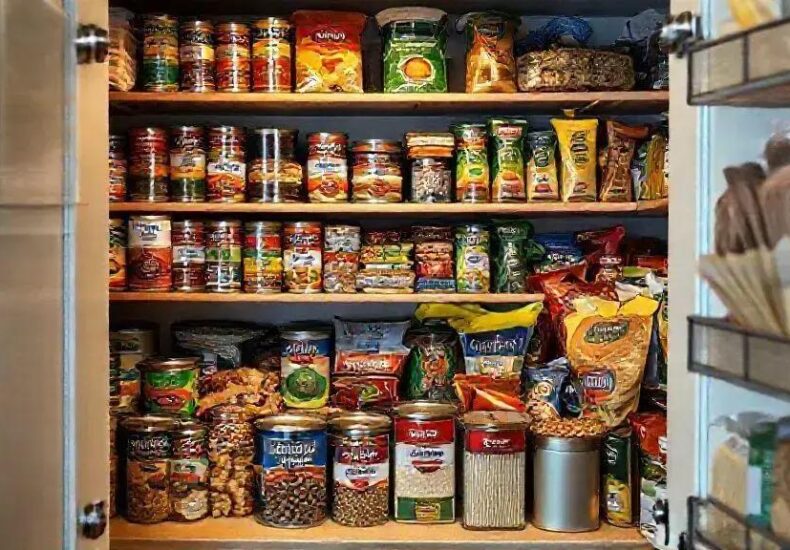
Storing Non-Perishables: Food Strategies for Long Blackouts
Non-perishables are long-lasting foods like canned goods, rice, and beans that require proper storage, regular rotation, and quality checks to ensure safety and nutrition during long blackouts.
Ever thought how crucial non-perishables become when the lights go out for days? Storing these foods smartly can make all the difference to your comfort and health. Curious about practical ways to keep your pantry blackout-ready? Stick around, and you’ll find useful strategies to handle those long power outages without panic.
understanding non-perishables and their benefits
Non-perishables are foods that have a long shelf life and do not spoil quickly. They include items like canned goods, dried beans, rice, pasta, and powdered milk. These foods are essential for emergency preparedness because they can last months or even years without refrigeration.
Key benefits of non-perishables
First, they provide reliable nutrition during unexpected situations such as long blackouts. Their stable nature means you can store them safely without worrying about frequent spoilage. This helps ensure you have a consistent food supply when fresh options aren’t available.
Secondly, non-perishables are versatile. You can prepare many different meals using these ingredients, which can prevent monotony during emergencies. For example, canned vegetables and beans can be combined with rice or pasta for wholesome dishes.
Lastly, these foods offer convenience. Since they require no refrigeration and often minimal preparation, they are ideal for quick meals during times when power and water might be limited. Having a variety of non-perishable items boosts your confidence and peace of mind when facing uncertain conditions.
Understanding the types and advantages of non-perishable foods is an essential first step in building an effective food storage plan for long blackouts or any emergency situation.
how to choose the right non-perishable foods
Choosing the right non-perishable foods starts with understanding your nutritional needs and storage space. Focus on foods that provide balanced nutrients like proteins, carbohydrates, and fats. Common staples include canned beans, rice, pasta, and canned meats. Variety is important to ensure your meals remain interesting and nutritious during long blackouts.
Consider shelf life and packaging
Look for foods with long expiration dates and durable packaging. Canned goods and vacuum-sealed items tend to have longer shelf lives. Avoid products with damaged packaging, as they may spoil faster. Also, check for packaging that protects against moisture and pests.
Think about preparation requirements
Choose non-perishables that match your cooking abilities and available resources during a blackout. For example, some items only require boiling water, while others can be eaten straight from the package. Ready-to-eat foods like canned soups or peanut butter are great for ease and convenience.
Lastly, consider any dietary restrictions or allergies in your household. Make sure the foods you pick suit everyone’s needs, so you can rely on them without worry during an emergency.
best storage conditions to extend shelf life
Proper storage conditions are critical to extend the shelf life of your non-perishable foods. The main factors to control include temperature, humidity, and light exposure.
Optimal temperature
Keep your food stored in a cool, dry place, ideally between 50°F and 70°F (10°C to 21°C). Avoid locations near heat sources such as ovens or direct sunlight, as higher temperatures can speed up spoilage and degrade food quality.
Control humidity levels
High humidity can cause packaging to deteriorate and encourage mold growth. Aim for a relative humidity level below 60%. Using airtight containers and moisture absorbers can help protect foods like grains and dried beans.
Limit light exposure
Exposure to light, especially sunlight, can cause certain foods to lose nutrients and develop off-flavors. Store items in opaque containers or in dark areas to preserve quality for longer.
Additional tips include organizing your pantry so older items are used first and regularly checking for signs of damage or spoilage. Maintaining clean storage areas also prevents pests from contaminating your food supplies.
rotating your stock to avoid spoilage
Rotating your stock is crucial to prevent spoilage and waste of non-perishable foods. The simplest method is the “first in, first out” (FIFO) system. This means using older items before newer ones, ensuring nothing expires unnoticed.
Practical steps for stock rotation
When adding new supplies, place them behind existing ones on shelves or in storage containers. This keeps older products easily accessible and at the front. Label items with purchase or expiration dates if possible to track freshness.
Regularly check your non-perishable items for any signs of damage or expiration. Remove spoiled or questionable goods immediately to maintain a safe food supply.
Organizing your pantry by food type and shelf life enhances this process. For example, group canned vegetables together and arrange them by their dates. This reduces confusion and speeds up meal preparation during emergencies.
By keeping your stock rotated, you’ll minimize spoilage, maximize food usage, and maintain preparedness for long blackouts or other emergencies.
creative meal ideas using non-perishables
Using non-perishable foods creatively can transform simple ingredients into delicious, satisfying meals during a long blackout. With some imagination, items like canned beans, rice, pasta, and dried vegetables become versatile staples.
Simple and tasty meal ideas
Try a bean and rice bowl by combining canned beans, cooked rice, and spices. Add canned tomatoes or salsa for flavor. This meal is filling, nutritious, and easy to prepare.
Another option is pasta with canned veggies. Boil pasta and mix it with canned mixed vegetables, olive oil, and seasonings. For extra protein, add canned tuna or chicken.
Hearty soups and stews
Canned soups can be enhanced by adding dried herbs or extra canned ingredients like beans and vegetables. Combining various non-perishables allows you to create hearty, warming meals without fresh ingredients.
Snack ideas include peanut butter on crackers, trail mix made from nuts and dried fruits, or oatmeal cooked with powdered milk and sweetener.
Experimenting with seasonings and combining different non-perishables can keep your meals exciting and help maintain morale during power outages.
emergency planning with non-perishable supplies
Effective emergency planning with non-perishable supplies is key to staying safe and nourished during long blackouts. Start by assessing your household’s size and dietary needs to determine the right amount of food.
Essential steps in planning
Create a list of versatile non-perishable items such as canned proteins, grains, nuts, and dried fruits. Include water and any special dietary products needed for children, elderly, or pets.
Store your supplies in an easily accessible location known to all household members. This helps during stressful situations when quick access is important.
Include other emergency essentials
Beyond food, don’t forget batteries, manual can openers, cooking tools, and first aid kits. Having these alongside your non-perishable food will make your emergency plan stronger and more reliable.
Regularly review and update your emergency stock. Check expiration dates and replenish items as needed to keep your supplies fresh and ready.
Planning ahead with these strategies ensures you are prepared to handle long power outages without compromising your nutrition or safety.
common mistakes in storing non-perishables
Many people make mistakes when storing non-perishable foods, which can lead to spoilage and wasted supplies. One common error is storing food in areas with high temperatures or direct sunlight, which speeds up degradation and shortens shelf life.
Ignoring humidity and moisture control
Moist environments can cause packaging to weaken and encourage mold growth. Always store non-perishables in cool, dry places and consider using airtight containers to keep out moisture.
Failing to rotate stock
Not practicing the “first in, first out” method often results in older items expiring while newer ones are used first. This leads to unnecessary food waste and reduces your emergency preparedness.
Another mistake is storing food near chemicals or cleaning supplies. This can cause contamination, affecting the taste and safety of your non-perishables.
Overbuying without a plan can lead to clutter and difficulty managing expiration dates. Buy only what you need and organize your storage space effectively.
Avoid these pitfalls to ensure your non-perishable foods last longer and serve you well during emergencies.
tools and containers to protect your food
Using the right tools and containers is essential to protect your non-perishable food and extend its shelf life. Quality storage helps prevent moisture, pests, and air from damaging your supplies.
Best containers for non-perishables
Airtight plastic or glass containers are excellent choices to keep foods like rice, beans, and pasta fresh. Vacuum-sealed bags also remove excess air and help preserve the quality for longer periods.
Metal or heavy-duty plastic bins with secure lids create a great barrier against insects and rodents. These containers can be stacked, saving space and keeping your pantry organized.
Helpful tools for food protection
Food-grade desiccants or moisture absorbers placed inside containers reduce humidity and prevent mold growth. Can openers, measuring cups, and labeling tools make managing your non-perishable inventory easier.
Label your containers with purchase or expiration dates to keep track of freshness. This simple step aids in rotating stock effectively.
Investing in proper storage tools and containers not only safeguards your food but also helps maintain an orderly emergency supply, ready for use when power outages occur.
how to check food quality during long storage
Checking the quality of non-perishable foods during long storage is essential to ensure safety and nutrition. Regular inspection helps detect spoilage early and prevents consumption of unsafe items.
Signs to look for when inspecting
Examine packaging for any bulges, dents, or rust, especially in canned goods, as these are signs of potential contamination. Damaged packages can let air and moisture inside, leading to spoilage.
Look for discoloration, unusual odors, or visible mold on dried and vacuum-sealed products. If anything smells off or appears strange, it’s best to discard the item.
Check expiration and best-by dates
While some non-perishables last beyond these dates, it’s a useful guideline for freshness. Rotate your stock accordingly and label new supplies with purchase dates to track age easily.
Store items properly to minimize quality loss. Keep foods in cool, dry, and dark locations to slow down degradation.
When in doubt, it’s safer to replace questionable items. Properly checking your food quality ensures you have a reliable supply during long blackouts or emergencies.
replenishing your non-perishable supplies wisely
Replenishing your non-perishable supplies wisely ensures you always have fresh and usable food during emergencies. Start by keeping an inventory to track what you have and what needs replacing.
Stick to a regular schedule
Check your food stock every few months and replace items nearing their expiration dates. This habit helps avoid last-minute shopping during a power outage or crisis.
Buy in quantities that match your household’s consumption to prevent waste. Overbuying can lead to clutter and food spoilage if not managed properly.
Choose trusted brands and quality products
Opt for well-known brands with reliable packaging and longer shelf lives. Sometimes it’s worth paying a little more for food that will last and stay safe.
Store new supplies properly and rotate them using the FIFO (first in, first out) method to keep your stock fresh.
Finally, consider buying some extras during sales but always ensure you have enough space and a plan for organizing your supplies efficiently.
Staying Prepared with Non-Perishables
Having a well-planned supply of non-perishable foods is key to managing long blackouts with ease and confidence. By choosing the right foods, storing them properly, and rotating your stock regularly, you can ensure your food lasts when you need it most.
Using creative meal ideas and planning ahead will make emergencies less stressful and help maintain your nutrition. Remember to check food quality and replenish supplies wisely to keep your pantry ready for any situation.
With these simple strategies, you can face power outages prepared, safe, and well-fed, turning uncertainty into peace of mind.
FAQ – Common Questions About Storing Non-Perishables for Long Blackouts
What are non-perishable foods?
Non-perishable foods are items that have a long shelf life and do not spoil quickly, such as canned goods, dried beans, rice, and pasta.
How should I store non-perishable foods to keep them fresh?
Store them in a cool, dry, and dark place with low humidity, using airtight containers to protect against moisture and pests.
What is the best way to rotate my food stock?
Use the “first in, first out” method by placing new items behind older ones, so you use the oldest products first to avoid spoilage.
How can I check if my non-perishable food has gone bad?
Check for damaged packaging, unusual odors, discoloration, and expiration dates. If an item looks or smells off, it’s safer to discard it.
Can I be creative with meals using non-perishables?
Yes, combining ingredients like canned beans, rice, pasta, and canned vegetables allows for many versatile and tasty meals during emergencies.
How often should I replenish my non-perishable supplies?
Regularly check your inventory every few months and replace items nearing expiration to keep your food supply fresh and ready for use.
You may also like


Leave a Reply