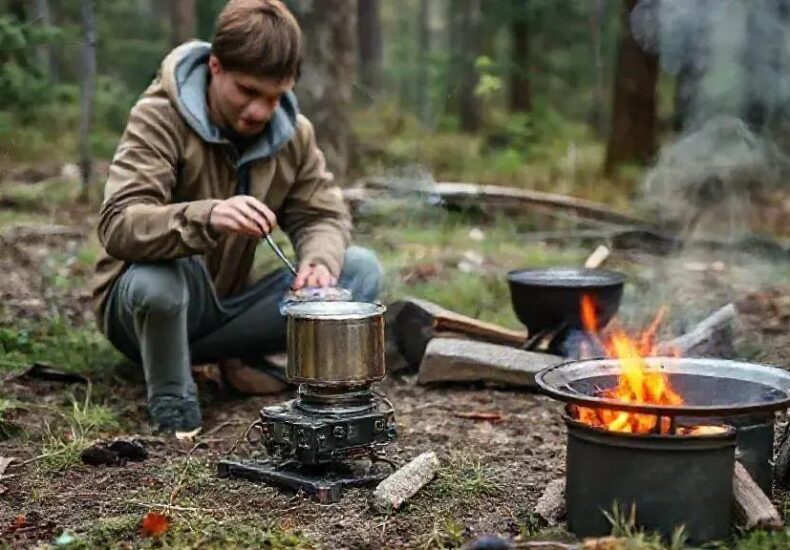
Cooking Off-Grid: Fuel-Efficient Stoves and Alternative Methods
Off-grid cooking involves using fuel-efficient stoves and alternative methods like rocket stoves, solar cookers, and thermal cookers to cook safely and sustainably without relying on conventional power sources.
Off-Grid Cooking is more than just a survival skill—it’s a way to reconnect with simpler living while being smart about fuel use. Ever wondered which stove saves more fuel or what alternatives you have beyond the usual campfire? Let’s dive in and uncover practical ways to make cooking efficient and enjoyable off the grid.
understanding off-grid cooking essentials
Understanding off-grid cooking essentials starts with knowing the basic tools and supplies needed to prepare meals without electricity or gas. Key items include durable cookware, reliable heat sources, and methods to preserve food safely. Having a well-stocked kit helps in managing resources efficiently, especially when access to stores is limited.
Essential cooking tools
Durable pots and pans made of cast iron or stainless steel are ideal because they retain heat well and can withstand open flames. Lightweight utensils and a sturdy cutting board also make food preparation easier when off the grid. Consider multipurpose tools to save space and weight.
Choosing the right heat source
Heat sources vary from fuel-efficient stoves using wood, propane, or biofuels to solar cookers and open fires. Each has advantages and limitations based on the environment, fuel availability, and cooking needs. Knowing how to use and maintain these heat sources ensures safety and efficiency.
Food storage and water safety
Preserving food without refrigeration is another essential skill. Techniques like drying, smoking, and pickling extend shelf life. Safe water storage and purification methods, such as boiling or filtration, are crucial for health when living off the grid.
Overall, mastering these essentials lays a strong foundation for successful and fuel-efficient off-grid cooking, making it both practical and enjoyable.
types of fuel-efficient stoves
There are several types of fuel-efficient stoves designed specifically for off-grid cooking. Each option offers unique benefits depending on the environment, fuel availability, and cooking habits. Understanding these stoves helps you pick the best one for your needs.
Rocket stoves
Rocket stoves are known for their efficient burning of wood or biomass with minimal smoke. Their insulated combustion chamber ensures high heat with less fuel. They are compact, easy to build, and perfect for outdoor cooking or emergencies.
Solar cookers
Solar cookers use sunlight to heat food without any fuel. They come in various styles, such as box cookers or parabolic reflectors. While dependent on weather, they are eco-friendly and cost-effective over the long term.
Propane and gas stoves
Portable propane or gas stoves provide quick and controlled heat. They are widely available and convenient but require carrying fuel canisters. Many models focus on fuel efficiency for longer cooking sessions.
Alcohol stoves
These lightweight stoves use alcohol fuel and are popular among backpackers. They are simple, easy to maintain, and safe, but may have lower heat output compared to other stoves.
Multi-fuel stoves
Multi-fuel stoves accept different types of liquid fuels like kerosene, white gas, or diesel. They offer versatility, especially when fuel sources vary, but may require more maintenance.
Choosing the right stove involves balancing fuel availability, cooking requirements, and environmental impact to optimize your off-grid cooking experience.
alternative cooking methods beyond stoves
Beyond traditional stoves, there are several alternative cooking methods that work well off-grid. These methods use natural energy sources or minimal fuel, allowing you to cook efficiently and sustainably.
Solar cooking
Solar cookers use sunlight for heat, making them eco-friendly and cost-free after setup. They come in different designs, such as box cookers or parabolic reflectors, and can slow-cook meals on sunny days without fuel.
Fire pits and campfires
Cooking over an open fire is one of the oldest methods. Using a fire pit or campfire lets you grill, boil, or roast food. Managing the fire to keep steady heat helps save on wood and ensures better cooking control.
Thermal cookers
Thermal cookers use insulation to retain heat and finish cooking food without continuous fuel. After bringing food to a boil, the pot is placed inside an insulated container that keeps it cooking for hours with no added energy.
Rocket mass heaters
Though mainly for heating, some rocket mass stoves have cooking surfaces. They burn fuel very efficiently and retain heat in masonry, helping to cook food or boil water with minimal fuel waste.
Earth ovens
Earth ovens or pit ovens use heated stones buried underground to cook food slowly. This method preserves moisture and flavors, ideal for slow-roasted dishes without fuel use during cooking.
Exploring these alternative cooking methods expands your options for off-grid life, allowing for creative, eco-friendly, and fuel-saving ways to prepare meals.
how to choose the right stove for your needs
Choosing the right stove for your off-grid cooking needs requires considering several factors to ensure it fits your lifestyle and environment.
Assess your fuel availability
Fuel type is a primary consideration. Check what fuels are easily accessible—wood, propane, alcohol, or solar energy—and select a stove compatible with your local resources to avoid running out of fuel.
Evaluate your cooking habits
Think about how you like to cook. If you need precise temperature control for boiling and frying, a propane stove might suit you best. For slow cooking or simmering, a solar cooker or thermal cooker could be preferable.
Consider portability and size
If you’ll be moving frequently or backpacking, a lightweight and compact stove like an alcohol stove works well. For a stationary campsite or home setup, larger rocket stoves or multi-fuel options provide more power and versatility.
Review efficiency and environmental impact
Look for stoves with high fuel efficiency to reduce waste and environmental footprint. Some stoves produce less smoke and pollution, which improves air quality and safety.
Factor in maintenance and durability
A stove that’s easy to maintain and made of durable materials like stainless steel or cast iron will last longer and perform better over time.
Keeping these considerations in mind will help you select a stove that is reliable, efficient, and tailored to your off-grid cooking lifestyle.
tips to maximize fuel efficiency
Maximizing fuel efficiency while cooking off-grid saves resources and extends the time you can remain independent.
Use the right size burner and cookware
Match your pot or pan size to the burner to avoid wasting heat. Using lids on pots increases heat retention and speeds cooking, reducing fuel consumption.
Pre-soak and prepare food properly
Soaking beans or grains before cooking reduces their cooking time significantly. Cutting food into smaller pieces also helps it cook faster, saving fuel.
Batch cooking and meal planning
Preparing multiple meals at once or cooking in bulk minimizes stove use. You can reheat meals later without needing full cooking sessions.
Maintain your stove regularly
Cleaning your stove and keeping it in good condition ensures optimal flame and heat output. Clogged air vents or damaged parts reduce fuel efficiency.
Use windshields and reflectors
Placing a windscreen around your stove reduces heat loss and protects flames from wind, making your stove burn fuel more efficiently.
Consider thermal cooking methods
Using thermal cookers or insulation to retain heat allows food to finish cooking without continuous fuel use, conserving plant or gas fuels.
By applying these practical tips, you can make your off-grid cooking more sustainable and resourceful.
safety considerations in off-grid cooking
Safety is a vital aspect of off-grid cooking to prevent accidents, injuries, and damage to the environment.
Proper ventilation
Always cook in a well-ventilated area to avoid buildup of harmful gases like carbon monoxide. Outdoor spaces or areas with open windows are best.
Safe handling of fuels
Store fuels such as propane, kerosene, or alcohol in secure containers away from heat sources. Never refill stoves near open flames, and handle fuels carefully to avoid spills.
Fire control and prevention
Keep a fire extinguisher, water, or sand nearby when cooking. Never leave fires or stoves unattended, and build campfires away from dry brush or flammable materials.
Use stable cooking surfaces
Place stoves and pots on flat, stable surfaces to avoid tipping. This reduces the risk of burns or fire spreading due to spills.
Child and pet safety
Keep children and pets away from cooking areas. Establish clear boundaries to prevent accidental contact with hot surfaces or flames.
Proper maintenance
Regularly inspect your stove for leaks, cracks, or damage. Cleaning helps prevent blockages that could cause dangerous flare-ups or incomplete combustion.
Adhering to these safety measures makes off-grid cooking a secure and enjoyable experience.
sourcing and storing fuel off-grid
Sourcing and storing fuel off-grid requires careful planning to ensure a continuous and safe supply for cooking needs.
Types of fuels commonly used
Wood, propane, alcohol, and biofuels are popular choices off-grid. Wood is often gathered from fallen branches or sustainably harvested trees, while propane and alcohol need to be purchased and stored properly.
Collecting and preparing wood
When gathering wood, look for dry, seasoned pieces to reduce smoke and increase heat efficiency. Store wood in a dry, elevated area to prevent moisture absorption and rot.
Storing liquid fuels safely
Propane tanks and alcohol containers must be kept in cool, ventilated places away from direct sunlight or heat sources. Use sealed, approved containers to minimize leaks and spills.
Fuel conservation strategies
Plan cooking sessions to minimize stove use and combine fuel needs, reducing the amount of fuel required. Using fuel-efficient stoves also helps extend fuel supplies.
Emergency fuel backups
Keep a small reserve of extra fuel, like canned alcohol or charcoal, for emergencies or unexpected usage spikes.
Proper sourcing and storage ensure fuel availability and safety, supporting sustainable off-grid cooking practices over time.
real-life stories and practical applications
Exploring real-life stories helps understand how off-grid cooking with fuel-efficient stoves and alternative methods works in practice.
Community living with rocket stoves
In many rural areas, communities use rocket stoves to cook meals efficiently. These stoves burn wood cleanly and require less fuel, reducing deforestation and saving time on gathering firewood.
Solar cooking in remote deserts
Nomads in desert regions rely on solar cookers to prepare food during sunny days. This method eliminates the need for fuel and avoids harmful smoke, showing how natural energy can meet basic needs.
Backpacking adventures with alcohol stoves
Outdoor enthusiasts use lightweight alcohol stoves for their portability and simplicity. Stories of hikers finishing multi-day treks showcase the reliability and convenience of these stoves in the wild.
Emergency preparedness shelters
Off-grid shelters designed for emergencies often include multi-fuel stoves to adapt to varying fuel availability. These setups ensure people can cook safely and efficiently when traditional systems fail.
These examples highlight how fuel-efficient cooking methods can improve life quality, conserve resources, and adapt to different off-grid lifestyles.
Embracing Efficient and Alternative Off-Grid Cooking
Cooking off-grid requires smart choices to save fuel and stay safe. Using fuel-efficient stoves and exploring alternative methods help make cooking easier and more eco-friendly.
By understanding your needs, sourcing fuel properly, and following practical tips, you can enjoy cooking anywhere without relying on traditional power sources.
Real-life examples demonstrate that off-grid cooking is not only possible but also rewarding, offering independence and connection with nature.
With the right knowledge and tools, off-grid cooking can be simple, safe, and sustainable.
FAQ – Off-Grid Cooking: Fuel-Efficient Stoves and Alternative Methods
What is off-grid cooking?
Off-grid cooking means preparing food without relying on electrical power or natural gas from the main grid, often using alternative heat sources.
Which type of stove is best for fuel efficiency?
Rocket stoves are highly fuel-efficient as they burn wood or biomass cleanly with minimal waste, making them a popular choice for off-grid cooking.
Can I cook without any fuel?
Yes, solar cookers allow you to cook food using only sunlight, making them a great fuel-free option on sunny days.
How can I safely store fuel off-grid?
Store fuels like propane and alcohol in cool, ventilated, and secure areas away from direct sunlight and heat to prevent leaks and accidents.
What are some tips to save fuel while cooking off-grid?
Using lids on pots, matching pot size to burner, pre-soaking food, batch cooking, maintaining your stove, and using windshields all help maximize fuel efficiency.
Is off-grid cooking safe?
Yes, if you ensure proper ventilation, handle fuels carefully, keep a fire extinguisher nearby, use stable cooking surfaces, and keep children and pets away from cooking areas.
You may also like




Leave a Reply