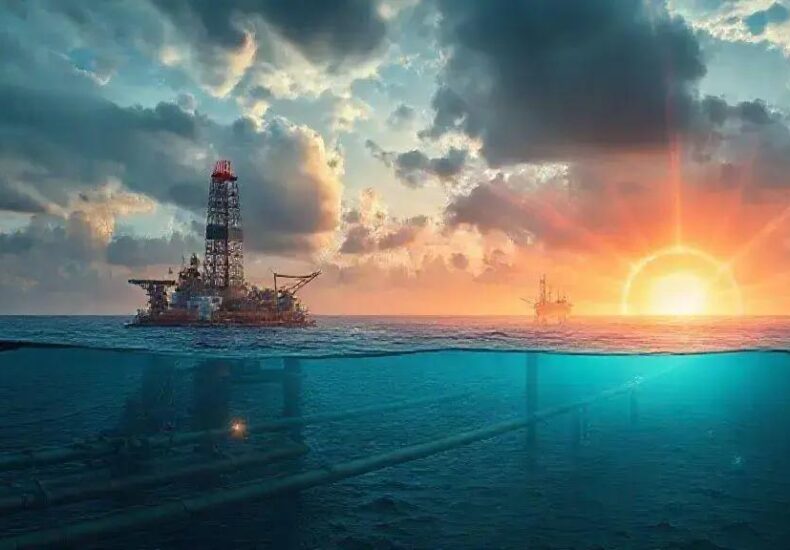
Offshore Oil Rigs and Pipelines: Safeguarding Infrastructure Under Solar Stress
Offshore infrastructure such as oil rigs and pipelines are protected from solar stress by advanced engineering solutions, continuous monitoring, corrosion-resistant materials, and strict regulatory standards to ensure operational safety and resilience against geomagnetic disturbances.
Offshore infrastructure like oil rigs and pipelines plays a critical role in global energy supply. But have you ever wondered how these giants cope with intense solar stress? Let’s unpack why protecting them isn’t just smart—it’s essential.
Understanding offshore infrastructure and its components
Offshore infrastructure includes complex systems designed to extract and transport oil and gas from beneath the ocean floor. This infrastructure primarily consists of oil rigs, which are large platforms where drilling and production take place, and extensive networks of subsea pipelines that carry hydrocarbons to onshore facilities.
Oil rigs vary in type, including fixed platforms anchored to the seabed, floating production systems, and drillships. Each type is engineered to withstand harsh marine environments while supporting heavy equipment and personnel.
The pipelines are often buried or laid on the seabed and require robust materials to resist corrosion and pressure. These interconnected components form a critical supply chain that sustains energy production worldwide. Understanding their structure and interdependence is key to ensuring their safety and efficiency.
Key components of offshore infrastructure
Besides rigs and pipelines, offshore infrastructure includes support vessels, power supply systems, control stations, and safety mechanisms. Together, they maintain continuous operations even under challenging ocean conditions.
The impact of solar storms on oil rigs
Solar storms, also known as geomagnetic storms, occur when bursts of solar wind and magnetic fields interact with Earth’s magnetosphere. These events can produce powerful electromagnetic effects that interfere with electronic systems on offshore oil rigs.
The impact of solar storms on oil rigs can include disruptions to communication systems, navigation aids, and power supplies. Sensitive equipment like sensors, control systems, and data transmission networks may experience interference, leading to operational delays or malfunctions.
Effects on navigation and safety
Navigation systems that rely on satellite signals, such as GPS, are especially vulnerable. Loss or degradation of positioning data can compromise the crew’s ability to operate safely and coordinate logistics.
Electrical system vulnerabilities
Solar-induced currents can cause voltage spikes and equipment damage in electrical grids aboard rigs. This can lead to unexpected shutdowns or costly repairs, affecting productivity.
Mitigation importance
Understanding and preparing for these impacts is critical for maintaining offshore rig reliability during solar events. Continuous monitoring and protective measures help reduce downtime and ensure safety.
Risks solar stress poses to subsea pipelines
Subsea pipelines are vital for transporting oil and gas from offshore rigs to processing facilities. When exposed to solar stress, especially during intense solar storms, these pipelines face several risks that can impact their operation and integrity.
Solar-induced geomagnetic currents can generate electrical currents in the pipelines, known as geomagnetically induced currents (GICs). These currents can accelerate corrosion, weaken pipeline walls, and lead to potential leaks or failures.
Corrosion and material degradation
The interaction of GICs with the cathodic protection systems, designed to prevent corrosion, can reduce their effectiveness. This raises the risk of accelerated metal deterioration over time, posing environmental and safety hazards.
Monitoring challenges
Detecting the early signs of damage caused by solar stress is difficult because pipelines are often buried deep underwater. Continuous monitoring systems must be robust and capable of identifying subtle changes in electrical and structural integrity.
Operational disruptions
Solar stress can also affect communication cables and sensors attached to pipelines, making it harder to track flow rates and detect leaks promptly. This may lead to operational delays and complicate emergency responses.
Proper design, frequent inspections, and advanced materials help mitigate these risks, ensuring subsea pipelines remain safe and reliable under solar stress conditions.
Protective engineering solutions for offshore rigs
Protecting offshore rigs from the harmful effects of solar stress requires specialized engineering solutions. These strategies focus on minimizing electromagnetic interference and enhancing the durability of critical systems.
Electromagnetic shielding is commonly used to protect sensitive equipment on rigs. This involves enclosing electrical components in conductive materials that block or redirect geomagnetic currents caused by solar storms.
Robust electrical grounding systems
Implementing advanced grounding techniques helps dissipate unwanted currents safely into the earth, preventing damage to power and control systems. Proper design of these systems is vital to reduce risk during geomagnetic disturbances.
Hardened communication networks
Communication systems are reinforced with redundant pathways and surge protectors to maintain reliable data flow even during solar events. This ensures continuous operation and quick response to anomalies.
Use of corrosion-resistant materials
Selecting materials that resist corrosion caused by solar-induced currents extends the lifespan of structural components and pipelines. Such materials reduce maintenance needs and improve overall safety.
Integrating these engineering solutions creates a multi-layer defense, ensuring offshore rigs remain operational and safe amid unpredictable solar stress conditions.
Monitoring and early warning systems against solar disruptions
Monitoring and early warning systems are vital to protect offshore oil rigs and pipelines from solar disruptions. These systems track solar activity and detect geomagnetic disturbances in real time to allow timely responses.
Space weather monitoring uses satellites and ground-based sensors to observe solar flares and coronal mass ejections that can affect Earth’s magnetic field. This data helps predict when solar stress might impact offshore infrastructure.
Real-time electromagnetic monitoring
Sensors installed on rigs and pipelines measure fluctuations in magnetic and electric fields. These readings help operators identify early signs of geomagnetic interference and prepare preventive actions.
Integrated alert systems
Automated alert systems notify key personnel immediately when solar events pose threats. This allows for rapid activation of safety protocols, such as powering down sensitive equipment or switching to backup systems.
Advanced analytics and machine learning improve prediction accuracy and system responsiveness, making offshore operations safer and more resilient to solar disruptions.
Material innovations enhancing infrastructure resilience
Innovations in materials are key to improving the resilience of offshore infrastructure against the stresses caused by solar activity and harsh marine environments. Engineers are continuously developing new materials that offer better durability and protection.
Corrosion-resistant alloys are widely used to combat the damaging effects of seawater and solar-induced electrical currents. These alloys extend the lifespan of pipelines and structural components by reducing wear and tear.
Advanced composites
Composite materials, made from a combination of fibers and resin, provide high strength while being lightweight. They also resist corrosion and electromagnetic interference, making them ideal for shielding sensitive components.
Smart coatings
Innovative coatings can actively protect surfaces by preventing corrosion and detecting damage early. Some coatings incorporate self-healing properties that repair minor cracks before they grow.
Using these material innovations lowers maintenance costs and enhances safety, ensuring offshore rigs and pipelines withstand prolonged solar and oceanic stresses.
Emergency readiness and response plans offshore
Emergency readiness and response plans are essential for offshore operations to handle solar stress and other hazards effectively. These plans focus on preparing personnel and equipment to react swiftly and safely during critical events.
Clear communication protocols ensure that all team members receive timely alerts about solar storms or related disturbances. This coordination minimizes confusion and speeds up response times.
Regular training and drills
Conducting frequent drills helps offshore crews practice emergency procedures, including equipment shutdowns and evacuation routes. These rehearsals build confidence and improve readiness.
Backup power and systems
Having redundant power supplies and control systems prevents total shutdown during disruptions caused by solar activity. Automatic switching to backups maintains critical functions.
Cooperation with onshore teams
Effective response involves constant communication between offshore and onshore personnel. Sharing real-time data and coordinating actions helps manage emergencies smoothly.
These comprehensive plans reduce risks and protect lives and assets by ensuring preparedness against unpredictable solar stress events.
The role of regulations and standards in protection
Regulations and standards play a crucial role in protecting offshore infrastructure from the risks posed by solar stress and other environmental factors. These rules ensure that safety and operational protocols are consistently applied across the industry.
International and national regulations set minimum requirements for design, construction, and maintenance of oil rigs and pipelines. They address issues such as electromagnetic interference, structural integrity, and material selection.
Industry standards and best practices
Organizations like the International Maritime Organization (IMO) and American Petroleum Institute (API) develop technical standards that guide engineers and operators in implementing effective protection measures.
Compliance and enforcement
Regular inspections, audits, and certifications verify compliance with these regulations. Non-compliance can lead to penalties, shutdowns, or increased risk of accidents.
Continuous update of standards
As solar storm research evolves, standards are revised to incorporate the latest knowledge and technologies, ensuring offshore infrastructure remains resilient against emerging threats.
Following these regulations and standards helps companies minimize risks, protect the environment, and safeguard human lives on offshore platforms.
Case studies: offshore infrastructure surviving solar events
Several offshore infrastructures have successfully endured solar events due to robust design and proactive measures. These case studies highlight effective strategies in managing solar stress impacts.
Case Study 1: North Sea Oil Rig
During a major solar storm, a North Sea oil rig employed advanced electromagnetic shielding and real-time monitoring systems. Despite intense geomagnetic activity, the rig maintained full operation without equipment failure.
Key factors in success
Redundant communication pathways and hardened electrical grounding helped prevent power surges. Regular maintenance ensured all protective measures functioned optimally.
Case Study 2: Gulf of Mexico Pipeline Network
The pipeline network used corrosion-resistant materials and smart coatings that minimized damage from geomagnetically induced currents during solar events. Early warning systems enabled timely shutdowns to limit exposure.
Lessons learned
Continuous monitoring and updated emergency protocols proved essential. Collaboration between offshore and onshore teams enhanced overall resilience.
These examples show how integrating technology, materials innovation, and preparedness can safeguard offshore infrastructure against solar threats.
Future trends in securing offshore energy assets
Future trends in securing offshore energy assets focus on integrating technology and innovative practices to enhance protection against solar stress and other risks. These advancements aim to improve safety, reliability, and sustainability.
Artificial intelligence and machine learning will play a larger role in predicting solar storms and automating response strategies. These technologies analyze vast data sets to provide timely warnings and optimize system defenses.
Next-generation materials
Development of smarter, more durable materials will increase resistance to corrosion and electromagnetic effects. These materials will adapt and self-repair, reducing maintenance and extending asset life.
Enhanced sensor networks
Advanced sensors will offer continuous, real-time monitoring of structural health and environmental conditions. Coupled with IoT (Internet of Things) technology, these systems enable remote management and rapid issue detection.
Renewable energy integration
Incorporating renewable energy sources such as offshore wind with oil and gas facilities will reduce environmental impact and promote energy diversification, contributing to more resilient offshore operations.
These trends collectively represent a move towards smarter, safer, and more adaptable offshore energy infrastructure ready for future challenges.
Protecting offshore infrastructure under solar stress
Offshore oil rigs and pipelines face unique challenges from solar storms and electromagnetic interference. Understanding these risks and adopting advanced engineering solutions, monitoring systems, and innovative materials help keep energy assets safe and reliable.
Regulations, emergency plans, and lessons from real-world cases contribute to stronger resilience. Looking ahead, new technologies like AI, smart sensors, and next-generation materials will further secure offshore operations.
By prioritizing protection against solar stress, the industry can ensure continuous energy supply while safeguarding people and the environment.
FAQ – Offshore Oil Rigs and Pipelines Protection Under Solar Stress
What is solar stress and how does it affect offshore infrastructure?
Solar stress refers to the impact of solar storms and geomagnetic disturbances that can disrupt electronic systems and accelerate corrosion on offshore oil rigs and pipelines.
How do offshore oil rigs protect themselves against solar storms?
They use engineering solutions such as electromagnetic shielding, robust grounding systems, and hardened communication networks to minimize the effects of solar-induced electrical interference.
Why are subsea pipelines vulnerable to solar stress?
Subsea pipelines can carry geomagnetically induced currents during solar storms, which may weaken their structure and reduce the effectiveness of corrosion protection systems.
What role do monitoring and early warning systems play?
They detect solar activity and geomagnetic fluctuations in real time, allowing operators to take preventive actions such as shutting down sensitive equipment or switching to backup systems.
How important are regulations and standards in the protection of offshore infrastructure?
Regulations and standards set safety and design requirements, ensuring that infrastructure is built and maintained to withstand solar stress and other environmental risks.
What future technologies will improve offshore infrastructure resilience?
Advancements like artificial intelligence, smart materials, enhanced sensors, and integration of renewable energy sources will enhance monitoring, protection, and overall resilience of offshore assets.
You may also like




Leave a Reply