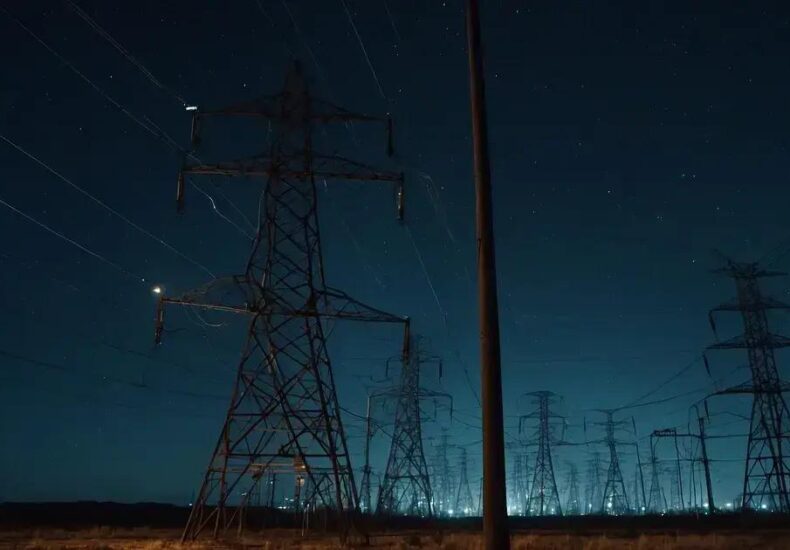
The Vulnerability of Power Grids to Geomagnetic Disturbances
Power grid vulnerability to geomagnetic disturbances occurs when solar activity induces electric currents that can damage transformers and disrupt electricity supply, requiring monitoring, advanced technologies, and protective measures to ensure grid stability and resilience.
Power Grid Vulnerability to geomagnetic disturbances is more than a technical issue — it can ripple through our daily lives, causing blackouts and damaging infrastructure. Ever wondered what makes these invisible solar events such a threat to the energy systems we depend on?
Understanding geomagnetic disturbances and their sources
Geomagnetic disturbances are caused by solar activities, such as solar flares and coronal mass ejections (CMEs), which release bursts of charged particles toward Earth. These particles interact with the Earth’s magnetic field, creating fluctuations known as geomagnetic storms.
Sources of Geomagnetic Disturbances
The Sun is the primary source of geomagnetic disturbances. Solar flares emit radiation and energetic particles, while CMEs launch large clouds of plasma that can take one to three days to reach Earth. When these particles collide with the magnetosphere, they induce electric currents and magnetic field variations.
How Disturbances Affect Earth
Geomagnetic storms can cause changes in the Earth’s magnetic environment, impacting satellite operations, radio communications, and navigation systems. Power grids are particularly vulnerable because induced currents can overload transformers and other equipment.
Understanding the origins and mechanisms behind these disturbances is key to predicting their occurrence and minimizing their effects on modern technological systems.
How geomagnetic storms impact power grid infrastructure
Geomagnetic storms create electric currents in the Earth’s magnetosphere that can affect power grid infrastructure. These currents, called geomagnetically induced currents (GICs), flow through transmission lines, transformers, and other electrical equipment, potentially causing serious damage.
Effects on Transformers
Transformers are particularly vulnerable to GICs. When overloaded, they can overheat, leading to insulation failure or even complete transformer burnout. This damage is costly and can take a long time to repair.
Voltage Instability and Power Outages
The presence of GICs can cause voltage fluctuations and instability in the power grid. This may trigger automatic protective devices, leading to partial or widespread blackouts. Power companies must respond quickly to manage these risks and maintain grid stability.
Impact on Grid Equipment and Operations
Besides transformers, other grid components like circuit breakers and capacitors can also be affected. Increased reactive power demand during storms can overload the system and disrupt normal operation, sometimes forcing grid operators to reduce load or shut down lines to prevent further damage.
Understanding these impacts is vital for designing resilient power grids capable of withstanding geomagnetic storms and ensuring reliable electricity supply.
Historical events highlighting power grid vulnerabilities
Several historical events have shown how vulnerable power grids are to geomagnetic disturbances. One of the most notable was the March 1989 geomagnetic storm, which caused a nine-hour blackout in Quebec, Canada. The storm induced currents that overloaded transformers, forcing the entire province offline.
The 1989 Quebec Blackout
This event highlighted how geomagnetic storms could rapidly cause widespread outages. Transformers were damaged, and the recovery took several days, showing the high cost of such incidents.
Other Significant Events
Before 1989, smaller storms had caused power disruptions in the U.S. and Europe. In 2003, another geomagnetic storm threatened the U.S. power grid, but better preparedness helped avoid a major blackout.
Lessons Learned
These events demonstrated the importance of monitoring solar activity and investing in grid resilience. Power companies worldwide have since improved their grid operations to mitigate effects and respond faster to geomagnetic threats.
Understanding the history of these incidents helps us prepare for future challenges posed by solar activity and protect essential power infrastructure.
Detection and monitoring technologies for geomagnetic activity
Detecting and monitoring geomagnetic activity is essential to protect power grids from disturbances. Scientists use a network of ground-based magnetometers to measure changes in the Earth’s magnetic field. These instruments provide real-time data on geomagnetic storms that could affect infrastructure.
Satellite Observations
Satellites play a critical role by observing solar activity before charged particles reach Earth. They detect solar flares and coronal mass ejections (CMEs), offering early warnings of incoming geomagnetic storms. This information allows grid operators to prepare and respond.
Space Weather Forecasting Centers
Centers like the NOAA Space Weather Prediction Center analyze data from satellites and ground stations. They provide forecasts and alerts on geomagnetic conditions, helping utilities to anticipate risks.
Advanced Monitoring Systems
New technologies use machine learning and artificial intelligence to improve the accuracy of space weather predictions. These tools analyze vast amounts of data to identify threats quickly and reliably.
Effective detection and monitoring enable timely actions to minimize impacts on power grids and safeguard energy infrastructure.
Strategies to mitigate risks in power grid systems
Mitigating risks to power grids from geomagnetic disturbances involves various strategies that increase system resilience. One key approach is installing GIC-blocking transformers or neutral grounding resistors. These devices reduce harmful currents flowing through critical equipment during geomagnetic storms.
Grid Hardening Techniques
Upgrading infrastructure with materials less sensitive to induced currents helps protect transformers and transmission lines. This includes using advanced insulation and corrosion-resistant components.
Operational Procedures
Power companies implement real-time monitoring and adaptive load management during geomagnetic events. By temporarily adjusting the grid’s load or isolating vulnerable sections, they reduce the risk of overloads and damage.
Emergency Response Plans
Preparedness involves training personnel and creating protocols for swift response to geomagnetic threats. Coordination with space weather agencies ensures timely alerts, allowing companies to act proactively.
Investment in research and technology is ongoing to improve early warning systems and develop innovative solutions that minimize disruptions and protect power infrastructure from future solar activity impacts.
Future challenges and innovations in power grid protection
Future challenges in protecting power grids from geomagnetic disturbances include increased solar activity and growing dependence on complex electrical networks. As power grids expand and interconnect, the risk of cascading failures from geomagnetic storms grows.
Emerging Technologies
Innovations such as smart grid technologies and artificial intelligence help predict and respond to threats faster. Smart sensors provide detailed data, while AI analyzes patterns to forecast potential damage and optimize grid performance during storms.
Improved Materials and Designs
Developing transformers and components with better tolerance to geomagnetically induced currents is a key focus. New materials and designs aim to reduce overheating and improve durability under stress.
Integration of Renewable Energy
The shift to renewable energy sources like solar and wind creates both opportunities and challenges. Distributed generation can increase grid resilience but requires advanced control systems to manage variable inputs during geomagnetic events.
Collaboration between researchers, industry, and governments is essential to developing robust solutions that keep power grids safe and reliable in the face of evolving solar threats.
Protecting Power Grids from Geomagnetic Disturbances
Power grid vulnerability to geomagnetic disturbances presents real risks to our energy systems. Understanding these risks and investing in effective detection, monitoring, and mitigation strategies is essential to keep the lights on.
Innovations like smart grids and improved materials offer hope, but ongoing collaboration and preparedness are key to facing future solar challenges. By staying informed and proactive, we can build stronger, more resilient power grids to support our growing energy needs safely.
FAQ – Understanding Power Grid Vulnerability to Geomagnetic Disturbances
What causes geomagnetic disturbances that affect power grids?
Geomagnetic disturbances are caused by solar activities like solar flares and coronal mass ejections, which send charged particles toward Earth, impacting its magnetic field.
How do geomagnetic storms damage power grid infrastructure?
Geomagnetic storms induce electric currents that can overload transformers and other equipment, leading to overheating, failures, and power outages.
What technologies are used to monitor geomagnetic activity?
Ground-based magnetometers, satellites, and space weather forecasting centers track geomagnetic changes and solar activity to provide early warnings of potential storms.
What are some strategies to protect power grids from these disturbances?
Strategies include installing GIC-blocking devices, upgrading grid infrastructure, real-time monitoring, and having emergency response plans to reduce damage during storms.
How do smart grids and AI improve power grid resilience?
Smart grids and AI provide detailed data and predictive analysis to help operators anticipate and respond quickly to geomagnetic events, improving overall grid stability.
Why is ongoing research important for power grid protection?
Ongoing research helps develop new materials, technologies, and methods to address evolving space weather threats and to ensure reliable, safe energy supply in the future.
You may also like




Leave a Reply