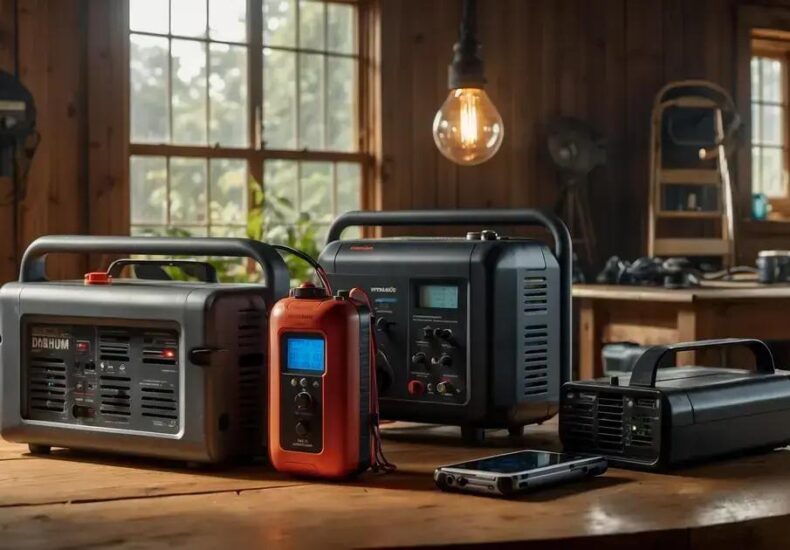
Emergency Power Solutions: From Generators to Hand-Crank Radios
Power Solutions for emergencies include generators, hand-crank radios, backup batteries, and solar power, each offering reliable and safe options to maintain electricity and communication during outages.
Power solutions in emergencies can make all the difference when the lights go out. Ever wondered which device suits your needs best? Let’s explore options from generators to hand-crank radios that keep you connected and safe.
Understanding emergency power solutions
Emergency power solutions are essential tools that provide electricity during outages caused by storms, natural disasters, or technical failures. These solutions range from large stationary generators to portable devices, each serving specific needs. Generators convert fuel into electrical energy, powering your home or business temporarily and are ideal for extended outages.
Smaller options include portable power banks and hand-crank radios, which not only supply limited power but also offer communication during emergencies. Understanding the different types of emergency power solutions helps you prepare effectively.
Types of Emergency Power Solutions
- Backup generators: Provide full power backup to essential appliances and systems.
- Portable generators: Compact and easy to move for outdoor or temporary use.
- Battery banks and power stations: Store electrical energy to charge devices.
- Hand-crank radios: Generate power manually to keep radios and small devices running.
- Solar-powered chargers: Use sunlight to recharge batteries or power small devices.
Selecting the correct emergency power solution depends on your power needs, duration of outages, and portability requirements. Planning ahead ensures you have access to reliable power and communication no matter the situation.
Choosing the right generator for your needs
Choosing the right generator involves understanding your power needs and how you plan to use it. Generators come in various sizes and fuel types, each suited for different situations. Start by listing all the devices and appliances you want to power during an outage.
Types of Generators
- Portable generators: Ideal for camping, small homes, or temporary power. They run on gasoline or propane and provide moderate wattage.
- Standby generators: Permanently installed and automatically activate during power outages. They usually run on natural gas or propane and can power an entire home.
- Inverter generators: Offer clean electricity for sensitive electronics. They are quiet and fuel-efficient, great for small loads.
Important Factors to Consider
- Power output: Check wattage needs and choose a generator that can handle starting and running watts of your appliances.
- Fuel type and availability: Consider fuel sources available in your area and storage safety.
- Runtime and noise level: Look for how long the generator can run on a full tank and how loud it operates, especially in residential areas.
- Portability and installation: Decide if you need a portable unit or a permanently installed standby generator.
By assessing these elements, you can select a generator that fits your budget and emergency power requirements. Proper sizing and fuel choice ensure your devices stay powered when you need them most.
Exploring hand-crank radios and their advantages
Hand-crank radios are valuable emergency power solutions that do not rely on batteries or electricity. They operate by converting mechanical energy from turning a crank into electrical energy, which powers the radio. This feature makes them highly reliable in situations where other power sources fail.
Key Advantages of Hand-Crank Radios
- Independent power source: No need for batteries or external power, ensuring continuous use.
- Portability: Lightweight and compact, making them easy to carry during emergencies or outdoor activities.
- Multi-functionality: Many models include built-in flashlights, USB charging ports for phones, and weather alerts.
- Emergency communication: Keeps you informed with updates on weather, disasters, and important news.
Choosing a hand-crank radio with additional features like solar charging or multiple power options can enhance readiness. Their simplicity and durability make them an essential lifeline during power outages.
Backup battery systems: pros and cons
Backup battery systems provide stored electrical energy to power essential devices during outages. They come in various sizes, from small portable power banks to large home battery units that can supply power for hours or days. These systems are rechargeable, often via solar panels or standard electrical outlets.
Pros of Backup Battery Systems
- Instant power supply: They provide immediate electricity without the noise or emissions of generators.
- Clean and quiet: No fuel or fumes, making them environmentally friendly and suitable for indoor use.
- Portability: Smaller units are easy to carry and can power phones, laptops, and small appliances.
- Low maintenance: Unlike fuel-powered generators, batteries require minimal upkeep.
Cons of Backup Battery Systems
- Limited runtime: They can power devices only until their stored energy runs out, which may be only a few hours for small units.
- Cost: Large-capacity battery systems can be expensive to purchase and install.
- Charging dependency: Batteries need to be recharged beforehand or supplemented with solar panels, which can limit usability during extended outages without sun.
Understanding these pros and cons helps in choosing the right backup battery system to meet your emergency power needs while balancing cost and convenience.
Solar power as an emergency alternative
Solar power offers a clean and renewable alternative for emergency power needs. By capturing energy from the sun through solar panels, you can charge batteries and power essential devices even during a blackout. Portable solar chargers are especially useful for camping, outdoor activities, or emergency kits.
Benefits of Solar Power in Emergencies
- Renewable and free energy: Solar power uses sunlight, which is abundant and does not run out.
- Quiet operation: Unlike generators, solar panels produce no noise or emissions.
- Low maintenance: Solar systems require minimal upkeep once installed.
- Scalability: You can expand your solar setup with more panels or larger batteries based on your needs.
Considerations for Using Solar Power
- Weather dependency: Solar energy is less effective on cloudy or rainy days.
- Initial cost: The upfront investment for panels and batteries can be high.
- Energy storage: You need batteries to store electricity for nighttime or cloudy periods.
Integrating solar power into your emergency plan ensures a sustainable and independent source of electricity that can keep you powered when traditional sources fail.
Safety tips when using emergency power devices
When using emergency power devices, safety should always be a top priority. Proper handling and maintenance can prevent accidents and ensure your devices work efficiently when needed.
Key Safety Tips
- Read the manual: Always follow the manufacturer’s instructions for setup, operation, and maintenance of generators, radios, and battery systems.
- Use generators outdoors: Run generators in well-ventilated areas away from windows and doors to avoid carbon monoxide poisoning.
- Ground your devices: Proper grounding reduces the risk of electrical shock and damage.
- Avoid overloading: Do not exceed the wattage rating of your generator or battery system to prevent fires and damage.
- Store fuel safely: Keep gasoline and other fuels in approved containers away from living spaces and heat sources.
- Regular maintenance: Check and service devices regularly to ensure they remain in good working condition.
- Keep devices dry: Protect emergency power equipment from rain and moisture to prevent electrical hazards.
Following these safety precautions can protect you, your family, and your property during power outages while maximizing the effectiveness of your emergency power solutions.
Key Takeaways on Emergency Power Solutions
Emergency power solutions like generators, hand-crank radios, backup batteries, and solar power can keep you safe and connected during outages. Each option has its benefits and challenges, so it’s important to choose what fits your needs best.
Always prioritize safety when using these devices by following instructions and taking necessary precautions. Being prepared with the right power solutions can make a big difference when emergencies strike.
Remember, planning ahead and understanding your options ensures you stay powered and informed no matter the situation.
FAQ – Emergency Power Solutions
What types of generators are best for emergency use?
Portable generators are great for temporary and outdoor use, while standby generators provide automatic power backup for entire homes.
How do hand-crank radios work during power outages?
Hand-crank radios generate power manually by turning a crank, allowing you to listen to emergency broadcasts without batteries or external power.
What are the main benefits of backup battery systems?
Backup battery systems offer instant, quiet, and clean power without emissions, suitable for charging small devices and maintaining essential electronics.
Can solar power be reliable during emergencies?
Solar power is a clean and renewable option but depends on sunlight availability; having batteries to store energy helps maintain power during cloudy or nighttime periods.
What safety precautions should I take when using emergency power devices?
Always follow manufacturer instructions, use generators only outdoors with proper ventilation, avoid overloading devices, and store fuel safely away from living spaces.
How do I choose the right emergency power solution for my needs?
Assess your power requirements, consider runtime and portability, choose suitable fuel or energy sources, and factor in noise levels and maintenance needs when selecting a solution.
You may also like



Leave a Reply