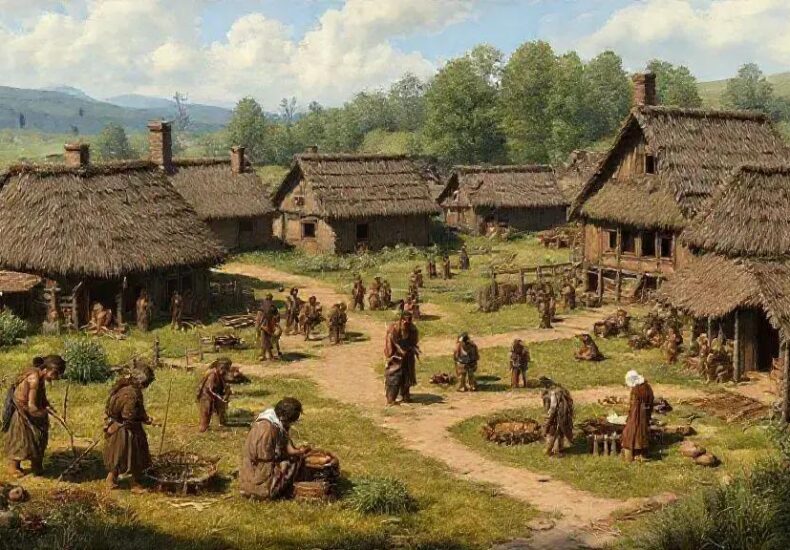
Before Modern Technology: How Pre-Industrial Societies Coped
Pre-Industrial Coping refers to how societies survived challenges before modern technology through community cooperation, resourcefulness, traditional knowledge, and sustainable practices that ensured resilience and emotional support.
Pre-Industrial Coping shows us the inventive ways people endured life’s hurdles before gadgets existed. Ever wonder how communities managed without electricity or quick fixes? Let’s explore their clever survival tactics that might surprise you.
understanding pre-industrial societies and their daily challenges
Pre-industrial societies were communities that existed before the rise of modern technology and industrialization. Their daily lives were shaped by nature, manual labor, and simple tools. These societies faced constant challenges such as limited resources, unpredictable weather, and lack of advanced medical care. Survival depended largely on cooperation, resourcefulness, and knowledge passed down through generations.
People relied heavily on natural cycles and rhythms, like the seasons, to plan their activities. Farming was a primary occupation, but it required significant effort and was vulnerable to droughts, pests, and soil depletion. Communities developed tight social bonds to share labor and support during tough times.
Daily Obstacles in Pre-Industrial Life
Access to clean water and food scarcity were persistent issues. Without refrigeration or modern storage, preserving food was a skilled task involving drying, smoking, or salting. Illnesses could spread rapidly due to limited hygiene and medical knowledge.
Transportation and communication were slow, isolating communities and making it harder to obtain goods or help from outside. However, these limitations also encouraged innovation within local environments, with people crafting tools and solutions from what was around them.
Understanding these challenges helps us appreciate the ingenuity and resilience of these societies, who laid the groundwork for many cultural and technological advances we benefit from today.
common environmental obstacles faced before technology
Before modern technology, communities faced numerous environmental obstacles that shaped their way of life. Natural elements like harsh weather, droughts, floods, and soil erosion could drastically affect their survival. For example, droughts could ruin crops and cause food shortages, while floods could destroy homes and spread disease.
Climate unpredictability meant that people had to be constantly prepared for sudden changes. Storms and cold winters required durable shelters and warm clothing made from available materials.
Dealing with Limited Natural Resources
Water scarcity was a critical issue in many regions. People often depended on rivers, lakes, or wells, but these sources could dry up or become contaminated. Access to fertile land was also limited, making farming a challenge.
Communities adapted by rotating crops, using natural fertilizers, and developing irrigation systems when possible. Hunting and gathering supplemented diets when agriculture failed.
Impact of Pests and Disease
Without modern pesticides or medicine, pests and diseases were serious threats. Crop infestations could wipe out entire harvests. Diseases could spread rapidly in crowded villages, with little effective treatment available.
People relied on traditional remedies, quarantine practices, and rituals to protect their health and crops.
Overall, these environmental challenges demanded strong resilience and innovative thinking, laying the foundation for many traditional survival skills.
social structures that supported coping mechanisms
Pre-industrial societies relied heavily on strong social structures that helped individuals and communities cope with daily challenges. These social networks provided emotional support, shared resources, and organized communal labor. Family ties, clans, and village groups created a system of mutual aid that was essential for survival.
Leadership roles, often held by elders or chiefs, helped coordinate efforts during crises such as food shortages or natural disasters. These leaders used experience and tradition to make decisions that benefited the group.
Community Cooperation and Shared Responsibility
Tasks like farming, building shelters, and hunting were often done collectively, allowing the workload to be balanced and risks minimized. Festivals and rituals reinforced social bonds and promoted cooperation among members.
In many societies, social norms and customs guided behavior, encouraging fairness and discouraging actions that could harm the group’s welfare. Trust and respect were key elements that held communities together.
Role of Extended Family and Kinship
The extended family was a critical unit for sharing knowledge, distributing goods, and caring for the young and elderly. Kinship networks created a safety net that helped people during difficult times.
For example, if one family experienced a poor harvest, relatives might share food or labor to help them recover. This collective approach reduced individual vulnerability and strengthened overall resilience.
These social structures allowed pre-industrial societies to adapt, endure hardships, and maintain stability long before modern technology existed.
traditional food preservation and storage methods
Before refrigeration and modern packaging, pre-industrial societies developed various methods to preserve and store food to last through seasons of scarcity. These traditional techniques were vital for survival, especially in winter or drought periods.
Drying and Smoking
Drying was one of the oldest and simplest preservation methods. People would sun-dry fruits, vegetables, and meats to remove moisture, which slows down spoilage. Smoking meat or fish added flavor and acted as a preservative by creating an environment hostile to bacteria.
Salting and Fermentation
Salting involved curing foods with salt to draw out moisture and prevent bacterial growth. This method was particularly effective for meats and fish. Fermentation, on the other hand, used beneficial bacteria to transform food, creating products like sauerkraut or yogurt. Fermented foods not only lasted longer but also gained new nutritional benefits.
Cool Storage and Root Cellars
Using natural cool environments was common. Root cellars—underground storage spaces—kept vegetables and fruits fresh by maintaining low temperatures and humidity. Ice and snow were also stored in some regions to keep perishables cool during warmer months.
These preservation techniques showcase human creativity in extending food life without modern technology, ensuring communities could sustain themselves despite environmental hardships.
natural medicine and healing practices
Before modern medicine, pre-industrial societies relied on natural medicine and healing practices using herbs, plants, and holistic methods to treat illness and injury. Knowledge about medicinal plants was passed down through generations, often guided by healers or shamans within the community.
Use of Medicinal Herbs and Plants
People collected roots, leaves, flowers, and bark to create remedies. For example, willow bark was used to reduce pain and inflammation, much like modern aspirin. Herbal infusions, poultices, and salves were common treatments.
Healing Rituals and Spiritual Practices
Many societies believed that illness could have spiritual causes. Healing often involved rituals, prayers, and ceremonies to restore balance and harmony. These practices combined physical treatment with mental and emotional care, strengthening the healing process.
Hands-on Therapies
Massage, bone setting, and sweat baths were used to relieve pain, improve circulation, and remove toxins. These methods helped restore physical function and were tailored to individual needs.
Natural medicine was more than just treatments—it was a system that connected people to their environment and community for holistic well-being long before modern healthcare.
how communities managed weather and natural disasters
Pre-industrial communities developed various strategies to manage the impacts of weather and natural disasters. Without modern forecasting, they relied on observation of nature and passed-down knowledge to predict events like storms or droughts. These early warning systems were crucial for preparation and survival.
Building Resilient Structures
Houses and storage buildings were often built with local materials and designed to withstand harsh conditions. For example, homes in flood-prone areas were raised on stilts, while thick walls helped protect against strong winds and cold temperatures.
Community Planning and Cooperation
Villages organized collective efforts to reinforce levees, clear drainage paths, and create firebreaks to minimize damage. Neighbors supported each other during crises by sharing food, labor, and shelter.
Preserving Food and Resources
Recognizing that disasters could cut off supplies, communities stored extra food and water. Traditional preservation methods like drying, salting, and fermenting helped maintain reserves through harsh seasons.
Rituals and ceremonies often accompanied preparations, aiming to appease forces of nature and unite people in facing adversity together.
These approaches, while simple, showed great adaptability and community strength long before technology offered new solutions.
role of craftsmanship and resourcefulness
In pre-industrial societies, craftsmanship and resourcefulness were essential skills that helped communities thrive despite limited resources. Skilled artisans created tools, clothing, and household items from locally available materials, turning nature’s raw resources into practical objects.
The Importance of Skilled Craftsmanship
Blacksmiths forged metal tools and weapons, carpenters built homes and furniture, and weavers produced textiles from fibers like wool or flax. These crafts demanded patience, knowledge, and creativity, which were often passed down through apprenticeships.
Adapting to Available Materials
Resourcefulness meant making the most out of what was at hand. Broken tools were repaired instead of discarded, and natural materials like bone, stone, and wood were shaped to solve everyday problems. This approach minimized waste and maximized utility.
Community Sharing and Skill Exchange
Craftspeople often worked together or exchanged goods and skills. This cooperation allowed communities to access a wider range of items and expertise without relying on external trade.
Overall, the combination of craftsmanship and resourcefulness created resilient societies capable of overcoming challenges through creativity and practical knowledge.
oral traditions and knowledge transfer
Oral traditions played a crucial role in pre-industrial societies as the primary method for transferring knowledge, culture, and history. Without written language, communities relied on storytelling, songs, and poetry to pass down important information from one generation to the next.
The Role of Storytelling
Stories were used to teach morals, explain natural phenomena, and preserve historical events. Skilled storytellers or elders held respected positions, as they ensured the community’s collective memory remained alive and accurate.
Transmission of Practical Knowledge
Oral traditions were not only entertaining; they were practical. Instructions for farming, hunting, medicinal practices, and craftsmanship were shared through detailed stories and songs, making learning accessible to all ages.
Community Bonding and Identity
These traditions helped strengthen social bonds and foster a shared sense of identity. Ceremonial gatherings and rituals often featured oral performances, creating a sense of belonging and continuity within the group.
Memory techniques like repetition and rhyme made knowledge easier to remember and teach. This method ensured survival skills and cultural values persisted even without written records.
rituals and beliefs as emotional coping tools
In pre-industrial societies, rituals and beliefs were key tools for emotional coping. They helped individuals and communities deal with stress, loss, and uncertainty by providing meaning and a sense of control. These practices often involved ceremonies, prayers, and symbols that connected people to their environment and ancestors.
Rituals as Emotional Support
Rituals marked important life events like births, marriages, and deaths, offering comfort and structure during transitions. They created a shared experience that strengthened social bonds and eased individual fears.
Belief Systems and Worldviews
Beliefs about spirits, gods, and the natural world helped explain difficult events like illness or natural disasters. Understanding the world through these lenses reduced anxiety, as people felt part of a larger cosmic order.
Community Participation and Healing
Group ceremonies, such as dances or offerings, united community members in expressing hope and solidarity. Participating in these collective acts fostered resilience and emotional healing.
Overall, rituals and beliefs provided essential emotional tools that helped pre-industrial societies face challenges with strength and unity.
lessons modern society can learn from pre-industrial coping
Modern society can learn valuable lessons from pre-industrial coping strategies that emphasize resilience, community, and sustainability. These age-old approaches highlight the importance of adapting to nature, using resources wisely, and supporting each other.
Resilience Through Simplicity
Pre-industrial communities thrived with simple tools and sustainable practices. Modern life can benefit by focusing on durability and minimizing waste instead of constant consumption and disposal.
Community Support Networks
The strong social bonds and mutual aid in pre-industrial times created safety nets during crises. Today, fostering local communities and social connections can improve mental health and provide practical support in challenging times.
Sustainable Resource Use
Using natural resources carefully and respecting environmental limits helped pre-industrial societies survive long term. Modern society can adopt similar values to promote environmental stewardship and reduce its carbon footprint.
By integrating these lessons, we can build a more balanced, resilient society that respects tradition while embracing progress.
Bringing Lessons from the Past into Today’s World
Pre-industrial societies faced many challenges without the help of modern technology. Yet, through resilience, community, and respect for nature, they found ways to cope and thrive.
By embracing these timeless lessons, we can build stronger communities, use resources more wisely, and create a balanced life that honors both tradition and innovation.
Understanding and applying these strategies can help modern society navigate challenges with greater strength and wisdom.
FAQ – Common Questions About Pre-Industrial Coping and Its Lessons
What were the main challenges faced by pre-industrial societies?
Pre-industrial societies faced environmental challenges like harsh weather, limited resources, diseases, and lack of modern medical care.
How did social structures help pre-industrial communities cope?
Strong social ties, community cooperation, and leadership roles helped share resources, labor, and emotional support during hard times.
What traditional methods were used to preserve food before modern technology?
Techniques like drying, smoking, salting, fermenting, and cool storage such as root cellars were used to keep food lasting longer.
How did rituals and beliefs help people emotionally in pre-industrial times?
Rituals and beliefs provided comfort, meaning, and a sense of control by connecting people with nature and their community through ceremonies and prayers.
Can modern society benefit from pre-industrial coping strategies?
Yes, modern society can learn resilience, sustainability, and community support values from pre-industrial coping methods to build stronger connections and live more sustainably.
What role did oral traditions play in knowledge transfer?
Oral traditions preserved history, culture, and practical knowledge through storytelling, songs, and ceremonies, making learning accessible without written records.
You may also like




Leave a Reply