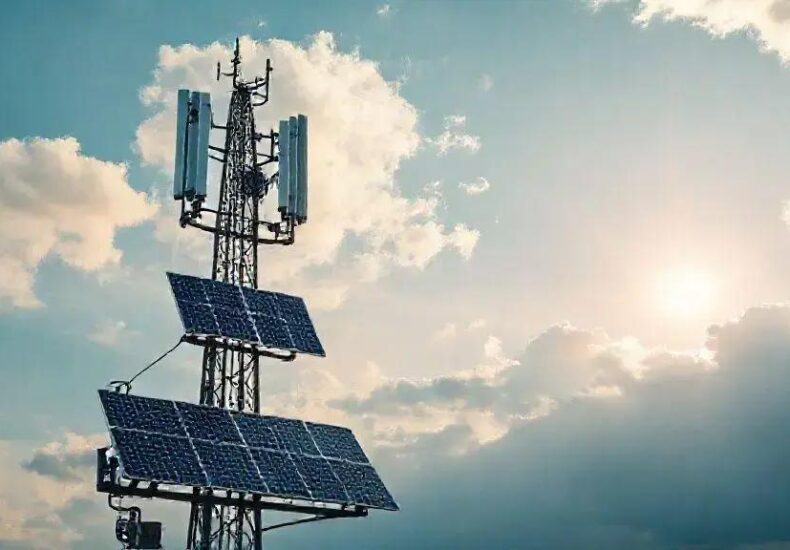
Building a Solar-Storm-Resistant 5G Network
Solar 5G Network refers to 5G communication systems designed with advanced shielding, real-time monitoring, solar power integration, and adaptive technologies to maintain reliable connectivity and protect infrastructure from disruptions caused by solar storms.
Have you ever wondered how a Solar 5G Network could keep your internet stable even during a solar storm? Building networks that resist interference from solar activity is a fascinating challenge with huge rewards for connectivity and security. Let’s dive into how this is shaping the future of communication.
Understanding solar storms and their impact on 5G networks
Solar storms, also known as geomagnetic storms, occur when solar wind and magnetic fields from the sun interact with Earth’s magnetosphere. These storms can cause disturbances in radio signals and satellite communications, directly affecting the performance of 5G networks. Understanding solar storms is crucial for designing networks that maintain reliable connectivity during such events.
How Solar Storms Affect 5G Networks
The charged particles from solar storms can induce currents in power lines and damage ground-based equipment, including 5G infrastructure. Fluctuations in the ionosphere can also disrupt signal propagation, causing drops in network quality or outages. Since 5G relies heavily on high-frequency signals and dense cell tower deployment, these effects can be amplified.
Vulnerable Components in 5G Infrastructure
Components such as antennas, base stations, and fiber optic links are sensitive to electromagnetic interference caused by solar activity. Power surges from geomagnetic induced currents may damage electronic circuits, while elevated noise levels can reduce data transmission reliability.
Tracking and Predicting Solar Storms
Advanced monitoring systems track solar activity and predict upcoming storms, giving network operators valuable time to enact protective measures. Early warnings can enable temporary shutdowns or rerouting of traffic to minimize impact.
Key challenges in building a solar-storm-resistant network
Building a solar-storm-resistant 5G network involves several key challenges that engineers and planners must address to ensure service continuity during solar events. One major challenge is protecting sensitive electronic equipment from electromagnetic interference caused by solar flares and geomagnetic disturbances.
Infrastructure Vulnerability
Traditional network components, such as base stations and power supplies, are vulnerable to geomagnetic induced currents that can cause power surges and equipment damage. This requires using specialized shielding and grounding techniques to mitigate risks.
Signal Disruption Risks
Solar storms can disrupt radio frequencies, causing signal degradation or loss. Designing systems with redundancy and adaptive signal processing helps maintain communication quality despite these interruptions.
Power Supply Stability
Maintaining stable power during solar disturbances is another challenge. Solar power integration offers opportunities but also needs robust energy storage and management to handle sudden fluctuations caused by solar activity.
Cost and Complexity
Implementing protective technologies and monitoring systems increases network complexity and cost. Balancing investment with expected benefits demands careful planning and risk assessment.
Real-time Monitoring and Response
Effective real-time solar storm detection and rapid response protocols are crucial to minimize impact. Developing automated alert systems and swift mitigation actions is technically demanding but essential for resilience.
Materials and technology for solar storm mitigation
To build a solar-storm-resistant 5G network, selecting the right materials and technologies is critical. Specialized shielding materials such as grounded conductive metals and composite layers can protect sensitive electronics from electromagnetic pulses generated during solar storms.
Shielding and Grounding Techniques
Shielding involves enclosing equipment within conductive barriers to block electromagnetic interference. Grounding provides a path for excess currents to safely dissipate into the earth. Combining both methods reduces the risk of equipment damage.
Surge Protectors and Filters
Advanced surge protectors and electronic filters are installed to intercept harmful power surges and signal noise caused by geomagnetic disturbances. These devices help maintain stable operation during fluctuating solar activity.
Resilient Power Systems
Solar panels integrated with reliable battery storage systems contribute to network resilience by providing clean energy and backup power. Technologies that manage power loads dynamically ensure consistent energy supply when the grid is disrupted by solar events.
Adaptive Signal Processing
Modern signal processing technologies can detect interference patterns and adjust transmission parameters in real time. This helps maintain communication quality even when signals are distorted by solar activity.
Monitoring and Early Warning Systems
Advanced sensors and software platforms monitor solar activity continuously. They provide alerts and automated adjustments to network components, improving the ability to respond quickly to solar storms.
Designing 5G infrastructure to resist solar flares
Designing 5G infrastructure to resist solar flares requires a combination of robust engineering and strategic planning. One essential approach is creating redundancy in the system. Multiple data routes and backup power sources ensure the network stays operational even if some components fail due to solar interference.
Use of Hardened Components
Equipment designed with hardened materials can withstand high levels of electromagnetic interference. Shielding critical components protects the network from the harmful effects of solar flares.
Distributed Network Architecture
Distributing network elements over a large area minimizes the chance of a single solar event knocking out the entire system. Small cells spread across multiple locations help maintain network coverage despite localized disruptions.
Smart Power Management
Integrating smart power management systems that can quickly react to power fluctuations is key. These systems optimize energy usage and redirect power flows to maintain stability during solar flare events.
Real-Time Monitoring and Automated Response
Real-time data collection helps detect early signs of solar flares. Automated systems can then trigger protective measures such as temporarily powering down vulnerable equipment or switching to alternate communication paths.
Compliance with Industry Standards
Adhering to industry standards for electromagnetic compatibility (EMC) and equipment resilience guarantees that the infrastructure meets a baseline level of protection against solar storms.
Role of solar power integration in network resilience
Integrating solar power into 5G networks plays a vital role in enhancing resilience. Solar energy can provide a reliable and independent power source, especially during solar storm events that may disrupt traditional power grids.
Backup Power Supply
Solar panels combined with energy storage systems like batteries offer backup power for critical network components. This ensures continuous operation when the main power grid is affected by solar disturbances.
Energy Independence
Solar integration reduces reliance on the electrical grid, which can be vulnerable to geomagnetic disturbances. Having decentralized solar-powered nodes adds flexibility and robustness to the network.
Environmental and Cost Benefits
Beyond resilience, solar power reduces carbon footprint and operational costs. Investing in solar technology makes the 5G infrastructure more sustainable and cost-effective in the long term.
Smart Energy Management
Advanced energy management systems optimize solar power usage, balancing load demands, and storing excess energy for peak times or emergencies. This dynamic management supports network reliability under stress.
Supporting Remote and Off-Grid Areas
Solar-powered 5G stations enable connectivity in remote regions where traditional power infrastructure may be lacking or unreliable, expanding network reach and improving service availability.
Testing and simulation of solar storm effects on 5G
Testing and simulation are crucial steps in ensuring a 5G network can withstand the effects of solar storms. Simulation tools recreate the conditions of solar flares and geomagnetic disturbances to study their impact on network performance and hardware.
Modeling Solar Storm Impacts
Advanced software models analyze how electromagnetic pulses affect signal propagation, power systems, and electronic components. These simulations help predict potential failures and identify weak points in the infrastructure.
Hardware Testing Under Stress
Physical testing involves exposing devices and components to controlled electromagnetic interference to evaluate their durability. Surge protectors, shielding materials, and backup power systems are assessed to ensure they function correctly under solar storm conditions.
Network Performance Analysis
Simulated solar storm scenarios enable engineers to evaluate the network’s ability to maintain connectivity and data integrity. This helps in designing redundancy and adaptive technologies to improve resilience.
Iterative Improvement
Test results inform design modifications, allowing continuous improvement in materials, architecture, and protocols. This iterative process strengthens the network’s defense against unpredictable solar events.
Integration of Real-time Monitoring
Simulation also extends to testing how real-time solar activity monitoring systems can trigger automated safeguards, minimizing downtime and service disruption during solar storms.
Real-world case studies of solar-storm-resistant telecom systems
Several real-world case studies demonstrate the success of solar-storm-resistant telecom systems in maintaining reliable communication during intense solar activity. These cases offer valuable insights into practical design and operation.
Case Study 1: Solar Storm Mitigation in Northern Europe
Telecom providers in Northern Europe implemented reinforced shielding and grounding techniques on 5G towers to protect against frequent geomagnetic disturbances. During a major solar storm in 2022, these networks experienced minimal downtime, proving the effectiveness of their mitigation strategies.
Case Study 2: Solar-Powered 5G Cells in Remote Asia
Operators integrated solar power with advanced battery storage in remote rural areas of Asia. This setup not only provided resilience against grid failures caused by solar storms but also expanded coverage to areas previously lacking reliable connectivity.
Case Study 3: Real-Time Monitoring and Response in North America
A North American telecom company deployed real-time solar activity monitoring combined with automated network responses. When early warnings were detected, vulnerable equipment was temporarily powered down, effectively preventing damage during solar flare events.
Lessons Learned
These case studies highlight the need for a combination of physical protections, power system resilience, and proactive monitoring. Tailoring solutions to regional solar risks and infrastructure needs is key to improving network reliability.
Maintenance and monitoring strategies during solar events
During solar events, effective maintenance and monitoring strategies are essential to keep 5G networks operational. Continuous monitoring using specialized sensors detects early signs of solar activity, allowing network operators to act quickly.
Predictive Maintenance
Predictive maintenance uses data analytics to foresee equipment failures caused by solar disturbances. This approach targets repairs before issues escalate, reducing downtime and costs.
Automated Alert Systems
Automated alerts notify technicians of solar storm threats in real time. These alerts enable proactive responses such as adjusting network loads or isolating vulnerable equipment.
Regular Equipment Inspections
Frequent inspections of shielding, grounding, and surge protection equipment ensure they remain effective against electromagnetic interference during solar events.
Backup Systems Testing
Routine testing of backup power supplies and redundant network paths guarantees readiness when primary systems are affected by solar storms.
Dynamic Network Management
Networks can dynamically reroute traffic and adjust transmission power to maintain connectivity under solar disturbance conditions. This flexibility minimizes service interruptions.
Future trends in solar-storm-resistant communication networks
Future trends in solar-storm-resistant communication networks focus on enhancing resilience through innovative technologies and smarter designs. Developing adaptable networks that can respond in real time to solar disturbances will become increasingly important.
Advanced Materials and Shielding
New materials with improved electromagnetic shielding properties will be used to better protect network hardware. Lightweight composites and nanomaterials could offer stronger defenses without adding excessive bulk.
AI-Driven Network Management
Artificial intelligence will play a key role in predicting solar storms and managing network responses automatically. AI algorithms can optimize traffic routing, power distribution, and equipment protection to minimize disruption.
Integration of Quantum Communication
Quantum communication technologies offer potential for secure, interference-resistant data transfer. Their resilience to electromagnetic disruptions makes them promising for future solar-storm-proof networks.
Decentralized Network Architectures
Future designs will favor decentralized architectures with numerous small, autonomous cells. This limits the impact of localized solar events and enhances overall network robustness.
Enhanced Energy Storage and Generation
Innovations in solar power technology, energy harvesting, and storage systems will support sustained network operation during grid failures caused by solar storms.
Improved Real-Time Solar Monitoring
More accurate solar activity monitoring and early warning systems will enable faster, more effective protective actions to safeguard communication networks.
Building a resilient 5G network for the future
Creating solar-storm-resistant 5G networks is essential to ensure reliable communication during unpredictable solar events. By using advanced materials, integrating solar power, and implementing smart monitoring systems, networks can withstand the challenges posed by solar storms.
Future innovations like AI-driven management and quantum communication will further strengthen network resilience. Investing in these technologies today prepares us for a connected and secure tomorrow.
Understanding and addressing these challenges ensures that 5G networks remain stable and efficient, keeping people connected even when nature tests our infrastructure.
FAQ – Solar-Storm-Resistant 5G Networks
What is a solar storm and how does it affect 5G networks?
A solar storm is a burst of solar wind and magnetic energy from the sun that can disrupt radio signals and damage electronic components, impacting 5G network performance.
How can 5G networks be protected against solar storms?
Protection involves using shielding materials, grounding, surge protectors, redundant systems, and real-time monitoring to reduce the impact of solar storms on network infrastructure.
What role does solar power play in network resilience?
Solar power provides a reliable backup energy source and reduces dependence on the grid, helping 5G networks stay operational during power disruptions caused by solar storms.
How are solar storms detected and monitored to protect networks?
Advanced sensors and space weather monitoring systems track solar activity and send automated alerts that enable network operators to take precautionary measures quickly.
Are there real-world examples of solar-storm-resistant telecom systems?
Yes, several telecom providers worldwide have implemented shielding, solar power integration, and real-time monitoring, successfully minimizing network disruptions during solar events.
What future technologies will improve resistance to solar storms in communication networks?
Future technologies include AI-driven network management, advanced shielding materials, quantum communication, decentralized architectures, and improved energy storage systems.
You may also like




Leave a Reply