
Peak or Lull? Assessing the Current Solar Cycle Status
Solar Cycle Status indicates the sun’s current phase of activity, marked by changing sunspots and solar flares that affect Earth’s magnetic field, technology, and climate, with monitoring and forecasting enabling preparedness for solar-driven disruptions.
Solar Cycle Status isnt just a space nerds curiosity—it shapes technology, climate, and even daily life. Curious if the sun is at its peak or slowing down? Lets dive into what that means for you.
understanding the basics of the solar cycle
The solar cycle is a natural pattern of change in the sun’s activity that lasts about 11 years. During this cycle, the sun’s magnetic field flips, causing an increase or decrease in sunspots, solar flares, and other solar phenomena. Sunspots are dark, cooler areas on the sun’s surface that are linked to intense magnetic activity. When the number of sunspots is high, the sun is in a solar maximum phase, showing increased solar activity. Conversely, during a solar minimum, sunspots are few and solar activity drops.
This cycle affects space weather, influencing phenomena like solar wind and geomagnetic storms that can impact satellites and Earth’s magnetic environment. Scientists monitor these changes using satellites and solar observatories, studying sunspot counts, solar radiation, and magnetic field variations. Understanding the solar cycle helps us predict space weather and prepare for its effects on technology and communication systems.
how the solar cycle influences earth
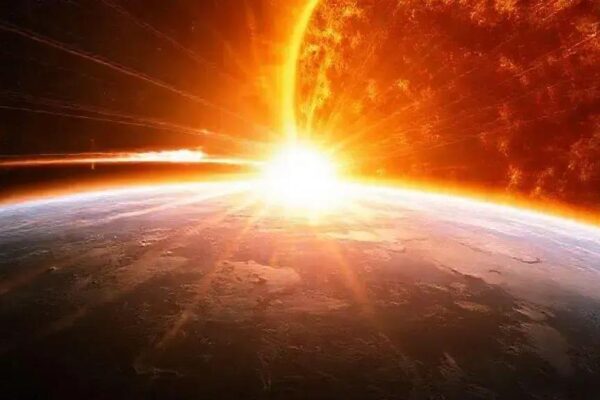
The solar cycle dramatically influences Earth in many ways, from its magnetic field to our daily technology. One major effect is on the Earth’s magnetosphere, which shields us from harmful solar radiation. During periods of high solar activity, charged particles from solar flares and the solar wind can disturb this shield, causing geomagnetic storms.
Impacts on Technology
These storms can disrupt satellite operations, GPS accuracy, and even power grids on Earth. Auroras, or northern and southern lights, are a beautiful visible sign of this activity when solar particles collide with Earth’s atmosphere.
Effects on Climate and Weather
The solar cycle also affects climate patterns by slightly altering the amount of solar energy Earth receives. While these changes are subtle, they can influence long-term weather trends and global temperatures.
Scientists continuously monitor solar activity to anticipate these impacts and help mitigate risks to communication systems, navigation, and electrical infrastructure. Understanding this connection helps us prepare for the solar cycle’s effects on our planet.
tools and methods to track solar cycle status
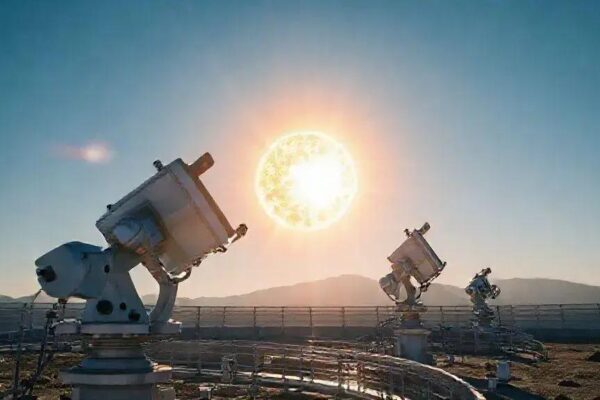
Tracking the solar cycle status involves various sophisticated tools and methods that help scientists observe and predict solar activity. One common method is counting sunspots, which serve as visible indicators of solar magnetic activity. Regular sunspot observations provide clues about the cycle’s phase, whether it’s approaching a peak or a lull.
Satellites and Spacecraft
Satellites like the Solar and Heliospheric Observatory (SOHO) and the Solar Dynamics Observatory (SDO) monitor the sun continuously. They capture high-resolution images, solar flares, and magnetic field data. This information allows researchers to study solar radiation and changes in the sun’s atmosphere in real time.
Magnetometers and Ground Observatories
Ground-based observatories use magnetometers to measure Earth’s magnetic field variations caused by solar activity. These measurements help connect solar events with effects on our planet. Instruments like radio telescopes detect solar radio emissions, adding another layer of analysis about solar storms.
Advanced computer models also play a key role. Scientists input data from observations into these models to predict future solar behavior. These forecasts assist in preparing satellite operators and power grid managers for possible disruptions.
signs of a solar peak versus a lull
Signs of a solar peak or maximum include an increased number of sunspots, stronger solar flares, and more frequent coronal mass ejections (CMEs). These phenomena indicate heightened magnetic activity on the sun’s surface. During this phase, solar radiation and energy charged particles surge, affecting outer space and Earth.
Characteristics of a Solar Peak
At solar maximum, astronomers observe vibrant sunspot regions and more intense solar storms. This can lead to spectacular auroras visible closer to the equator than usual. Satellite communications and power grids may experience disturbances from geomagnetic storms during this time.
Signs of a Solar Lull
In contrast, a solar lull or minimum is marked by fewer or nearly no sunspots and reduced solar flare activity. The sun’s surface appears calmer with fewer disruptions in its magnetic field. Space weather impacts decrease, causing fewer disturbances on Earth’s technological systems.
Understanding these signs helps scientists predict space weather events that can affect technology and power infrastructure. Monitoring sunspot numbers and solar emissions remains critical for preparing for solar cycle phases.
impacts of solar activity on technology and communications
Solar activity significantly affects technology and communications on Earth. During periods of high solar activity, solar flares and coronal mass ejections release bursts of charged particles and radiation. These can cause geomagnetic storms that disrupt satellite operations, GPS signals, and radio communications.
Satellite and Spacecraft Vulnerabilities
Satellites may experience damage to electronic components or temporary outages due to increased radiation. This can affect television broadcasts, weather forecasting, and internet services relying on satellite links.
Effects on Power Grids and Communications
Geomagnetic storms induced by solar activity can create electric currents in power lines, leading to voltage instability and blackouts. Similarly, high-frequency radio waves used by aviation and maritime industries may experience fading or total loss during intense solar events.
Understanding and monitoring solar activity helps protect critical infrastructure. Agencies issue warnings to satellite operators and power companies, enabling them to take precautionary measures. As we rely more on advanced technology, the impact of solar activity on communications becomes increasingly important to manage.
solar cycle effects on climate and weather patterns
The solar cycle impacts Earth’s climate and weather patterns through subtle changes in solar radiation. During solar maximum, increased solar energy can slightly warm the upper atmosphere. These shifts influence atmospheric circulation and cloud formation, affecting long-term weather trends.
Connection with Climate Variability
Some studies link solar cycles to phenomena like the North Atlantic Oscillation and monsoon patterns, which shape regional climate variations. However, the sun’s impact is smaller compared to human-driven climate factors.
Solar Activity and Weather Patterns
Solar cycles may also affect weather events such as droughts, storms, and temperature fluctuations. Scientists observe these influences by analyzing solar data alongside historical weather records.
Understanding how the solar cycle interacts with Earth’s climate helps improve weather forecasting models and climate research. While solar effects are subtle, recognizing their role is important for a complete picture of Earth’s complex climate system.
recent trends and observations in the current cycle
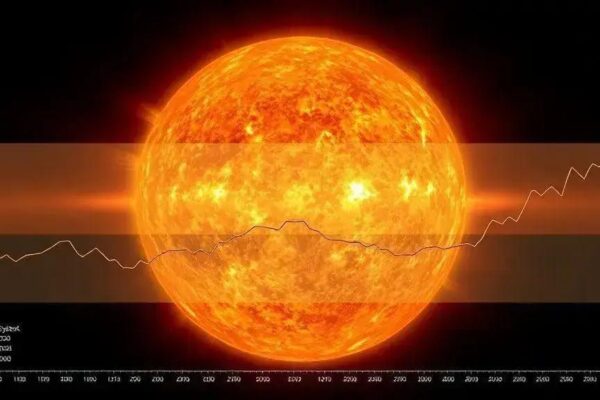
Recent observations show the current solar cycle is progressing with some unexpected variations. While originally predicted to be moderate, sunspot activity has fluctuated with bursts of increased solar storms and occasional quiet periods. This irregular pattern keeps scientists closely monitoring the sun’s behavior.
Monitoring Sunspot Activity
Satellites and solar observatories have recorded spikes in sunspots followed by drops, challenging earlier forecasts. These variations impact predictions related to space weather events, which influence satellite operations and communication systems on Earth.
Solar Flares and Space Weather Events
The cycle has seen powerful solar flares and coronal mass ejections that demonstrate the sun’s dynamic nature. These energetic outbursts can trigger geomagnetic storms, disrupting navigation systems and power grids.
Scientists continue utilizing advanced models to analyze data from recent trends and refine future solar activity forecasts. Understanding these patterns helps us prepare for the sun’s impact on technology and climate.
forecasting future solar activity
Forecasting future solar activity relies on analyzing data from past solar cycles and current solar behavior. Scientists use solar dynamo models which simulate the sun’s magnetic field changes to predict upcoming cycles. These models consider sunspot numbers, magnetic flux, and solar wind measurements.
Role of Observations and Data
Continuous monitoring through satellites and ground observatories provides real-time data essential for precise forecasts. Historical records of sunspots and solar flares also guide predictions by revealing patterns and irregularities in solar activity.
Challenges in Solar Forecasting
Despite advances, predicting solar activity has challenges due to the sun’s complex magnetic behavior and unpredictable events. Short-term solar storm predictions are more reliable than long-term cycle forecasts.
Researchers combine computer simulations with observational data to improve accuracy. These forecasts help protect satellites, power grids, and communication networks by enabling early warnings for significant solar events.
preparing for solar cycle variations: practical tips
Preparing for solar cycle variations involves practical steps to minimize the impact of solar storms on technology and daily life. Start by monitoring space weather forecasts from reliable agencies, which provide alerts about solar flares and geomagnetic storms.
Protecting Electronic Devices
Use surge protectors and backup power systems to guard against power surges during solar storms. In critical operations, consider shutdown procedures to prevent damage to sensitive electronics during peak solar events.
Safeguarding Communication and Navigation
Ensure backup communication methods are available if satellite or radio signals become unreliable. For GPS-dependent activities, be aware of possible location inaccuracies during solar disturbances.
Educating yourself and your organization about solar cycle effects can improve readiness and response. Taking these practical precautions helps maintain safety and operational stability when solar activity fluctuates.
Understanding and anticipating the solar cycle is essential
The solar cycle affects many aspects of our planet and technology. By learning about its patterns and impacts, we can better prepare for changes in space weather and protect our communication, power systems, and daily life.
Staying informed through monitoring tools and following practical tips helps reduce risks during solar peaks and lulls. As science advances, our ability to forecast and respond to solar activity will improve, making this knowledge even more valuable.
Ultimately, understanding the solar cycle empowers us to adapt and stay resilient in the face of the sun’s natural rhythms.
FAQ – Understanding the Solar Cycle and Its Effects
What is the solar cycle and how long does it last?
The solar cycle is an approximately 11-year pattern of changes in the sun’s activity, including sunspots and solar flares.
How does the solar cycle affect Earth?
It affects Earth’s magnetic field, climate patterns, and can disrupt technology like satellites, power grids, and communications.
What are the signs of a solar peak versus a lull?
A solar peak has many sunspots and strong solar flares, while a lull shows few sunspots and less solar activity.
How can we track the solar cycle status?
By observing sunspots, using satellites and ground-based instruments that measure solar radiation and magnetic fields.
Why is forecasting solar activity important?
Forecasting helps protect technology and infrastructure by providing early warnings of solar storms that could cause disruptions.
What practical steps can individuals and organizations take to prepare for solar cycle variations?
Monitor space weather forecasts, protect electronic devices with surge protectors, have backup communication options, and follow safety guidelines during solar storms.
You may also like

Leave a Reply