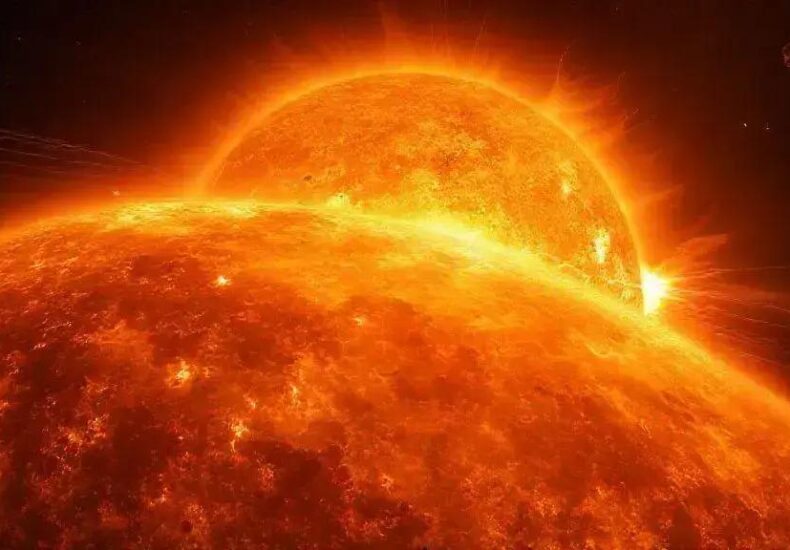
The Solar Dynamo: Fresh Theories on What Powers the Sun
The solar dynamo is the process in the sun’s interior that generates its magnetic field through plasma motion and rotation, driving solar activity that influences space weather and Earth’s technology.
Solar Dynamo fascinates scientists as the hidden engine powering the sun’s magnetic forces. But what if fresh theories could change the way we understand this cosmic dance? Let’s dive into these new ideas and see what they reveal about our star.
understanding the solar dynamo basics
The solar dynamo is a natural process responsible for generating the sun’s magnetic field. It happens deep within the sun’s interior, where hot plasma moves in complex patterns. This movement of electrically charged plasma creates magnetic fields through a mechanism called magnetohydrodynamics.
The core components of the solar dynamo involve the interaction between the sun’s rotation and convection currents. As the sun rotates, it drags the plasma around with it, causing twisting and tangling of magnetic field lines. This twisting builds up energy that leads to magnetic activity visible on the solar surface.
One key concept is the differential rotation of the sun—different parts rotate at different speeds. This difference stretches and amplifies magnetic fields, contributing to a cycle that typically lasts about 11 years, known as the solar cycle. During this cycle, the sun’s magnetic poles flip and sunspots increase and decrease.
How plasma motion powers the dynamo
Plasma moves in rising and falling currents inside the sun’s convection zone. These motions, combined with rotation, produce electrical currents that reinforce magnetic fields. This self-sustaining feedback loop maintains the solar dynamo over time.
Understanding these basics helps scientists interpret solar phenomena like sunspots, solar flares, and coronal mass ejections. Each of these events stems from changes in the magnetic fields generated by the solar dynamo, influencing space weather and affecting Earth.
how the sun’s magnetic field is generated
The sun’s magnetic field is generated by complex motions inside its interior, mainly within the convection zone. This region is filled with hot, ionized gas called plasma, which moves vigorously. These movements create electric currents, and it is these currents that produce magnetic fields.
Differential rotation plays a crucial role — the equator rotates faster than the poles. This variation stretches and twists magnetic field lines, amplifying the field strength over time. The continuous motion converts kinetic energy into magnetic energy.
The role of the tachocline
Between the sun’s radiative zone (inner part) and convection zone exists a thin, shear layer called the tachocline. This area acts like a boundary where rotational speeds change abruptly. The shear here helps to organize and intensify magnetic fields, making it a critical region for magnetic field generation.
Magnetic flux tubes created by these processes rise through the convection zone, sometimes breaking the surface as sunspots. These spots mark concentrations of intense magnetic fields and are visible evidence of the solar magnetic activity.
Overall, the sun’s magnetic field results from the interaction of plasma flows, rotation effects, and internal layers working together in a dynamic system continually renewed by the solar dynamo.
the role of plasma dynamics in the solar interior
Plasma dynamics inside the sun play a vital role in driving the solar dynamo. The sun’s interior is filled with hot, electrically charged gas called plasma, which flows in turbulent and complex patterns. These movements contribute to generating and sustaining the sun’s magnetic field.
The convection zone, just below the surface, experiences constant rising and falling plasma currents. Hot plasma rises towards the surface, cools, and sinks back down in a continuous loop. This movement creates swirling motions that twist magnetic field lines.
Role of differential rotation and turbulence
The sun does not rotate uniformly; the equator spins faster than the poles. This differential rotation stretches plasma flows and magnetic fields, causing twisting and folding. Turbulent plasma motions further amplify these effects, allowing magnetic fields to grow stronger and more complex.
Electric currents generated by moving plasma generate magnetic fields through a process called magnetohydrodynamics. The interaction of plasma flows with existing magnetic fields creates a feedback loop, which is central to the solar dynamo’s ability to sustain itself.
Understanding plasma dynamics helps explain phenomena such as sunspots, solar flares, and coronal mass ejections. These events originate from magnetic forces powered by plasma movement deep within the sun.
recent theories challenging traditional dynamo models
Recent theories about the solar dynamo are challenging long-standing models that scientists have used for decades. Traditional dynamo theories focus on the sun’s differential rotation and convection to explain magnetic field generation. However, new research suggests that other factors may play important roles.
One emerging idea involves magnetic flux transport by meridional flows—slow plasma currents that move along the sun’s surface from the equator to the poles. These flows could change the timing and intensity of the solar magnetic cycle.
Alternative mechanisms and observations
Some models propose that turbulent pumping, where magnetic fields are pushed downward by small-scale motions in the convection zone, strongly affects magnetic field generation. These processes may explain discrepancies between observed solar activity and predictions by classical dynamo models.
Innovations in computer simulations and satellite observations have revealed more complex magnetic field interactions than previously thought. For example, evidence shows that the tachocline layer’s behavior may be more dynamic and influential than traditional theories predicted.
These findings are vital because they can affect how we forecast solar activity, which influences space weather and technology on Earth. Continued research is necessary to fully understand these revised models and integrate them with established knowledge.
magnetic cycles and sunspot activity explained
The sun experiences magnetic cycles lasting about 11 years, known as the solar cycle. During this period, the sun’s magnetic field changes polarity, flipping its north and south magnetic poles. This cycle affects solar phenomena such as sunspots—dark patches on the sun’s surface caused by intense magnetic activity.
Sunspots appear when magnetic fields emerging from the solar interior inhibit convection, causing cooler areas visible as spots. Their number rises and falls throughout the solar cycle, reaching a maximum when solar activity peaks.
Phases of the solar cycle
The cycle starts at solar minimum, with few sunspots and weak magnetic activity. As the cycle progresses, sunspot numbers increase, accompanied by solar flares and coronal mass ejections. At solar maximum, magnetic field lines become highly tangled, leading to maximum sunspot activity.
After the peak, the sun’s magnetic field gradually reorganizes and reverses, marking a new cycle. This reversal is a unique feature of the solar dynamo and impacts space weather that can affect satellites, communications, and power grids on Earth.
Monitoring magnetic cycles and sunspots helps scientists predict solar storms and understand the sun’s influence on our planet.
the impact of solar dynamo on space weather
The solar dynamo governs the sun’s magnetic field, which directly impacts space weather. Space weather includes phenomena like solar flares, coronal mass ejections (CMEs), and geomagnetic storms that can affect Earth’s environment and technology.
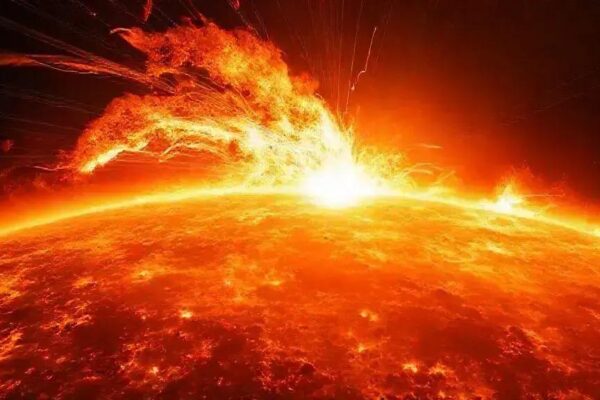
Solar flares are sudden bursts of energy caused by magnetic field lines snapping or rearranging. These high-energy events release radiation and charged particles into space. CMEs are huge clouds of solar plasma and magnetic fields ejected from the sun, often following large flares.
Effects on Earth and technology
When these solar events reach Earth, they can disturb the planet’s magnetic field, causing geomagnetic storms. These storms may disrupt satellite communications, GPS signals, power grids, and even affect airline routes. Space weather forecasting relies on understanding the solar dynamo’s activity to predict when such events might occur.
Scientists study the solar dynamo to better anticipate solar cycles and magnetic activity peaks. This knowledge helps protect satellites, astronauts, and critical Earth-based technologies from damage caused by intense solar radiation and energetic particles.
Monitoring space weather allows industries and governments to take precautions, like switching off satellites temporarily or adjusting power grids, reducing the risks posed by solar storms.
tools and methods used to study the solar dynamo
Studying the solar dynamo requires advanced tools and methods that allow scientists to observe and model the sun’s complex magnetic behavior. Observations primarily come from space-based solar observatories equipped with specialized instruments.
One key tool is the Helioseismic and Magnetic Imager (HMI), which measures oscillations on the sun’s surface to provide detailed maps of magnetic activity and internal flows. This technique, called helioseismology, helps scientists understand plasma movements inside the sun.
Computational simulations and modeling
High-performance computers run complex simulations based on the equations of magnetohydrodynamics. These models recreate the sun’s internal dynamics, enabling researchers to test and refine theories about how the dynamo operates.
Additionally, satellite missions like the Solar Dynamics Observatory (SDO) and the Parker Solar Probe provide real-time data on solar magnetic fields, flares, and plasma flows. Ground-based solar telescopes complement these observations with high-resolution imaging of sunspots and magnetic structures.
Together, these tools and methods give a comprehensive picture of the solar dynamo, helping scientists predict solar activity and better understand the sun’s influence on the solar system.
implications of solar dynamo research for Earth
Solar dynamo research has important implications for Earth, especially in understanding how solar activity affects our planet. The sun’s magnetic field, driven by the dynamo, controls phenomena like solar flares and coronal mass ejections (CMEs), which can impact Earth’s environment.
These solar events can cause geomagnetic storms, disrupting satellite operations, GPS navigation, radio communications, and power grids. By studying the solar dynamo, scientists aim to improve predictions of such solar activity, helping to protect vital technologies.
Impact on Earth’s climate and technological systems
Changes in the solar magnetic cycle may influence Earth’s climate patterns over long periods. Understanding the dynamo helps researchers explore possible links between solar activity and climate variations.
Better forecasts of solar storms enable governments and industries to prepare for potential disruptions. For example, power companies can take steps to shield grids from geomagnetic disturbances, and satellite operators can protect equipment from radiation damage.
Ongoing solar dynamo research is thus critical not only for advancing solar physics but also for practical applications that safeguard modern life on Earth.
future directions in solar dynamo investigations
Future research on the solar dynamo aims to deepen our understanding of the sun’s magnetic field generation using improved technology and models. Scientists plan to develop more powerful computer simulations that include detailed plasma physics and magnetic interactions at smaller scales.
Increased satellite missions will provide higher resolution data on solar activity and internal flows. These missions will focus on capturing rapid changes in the sun’s magnetic field and testing new theories about the solar dynamo’s behavior in unexplored layers.
Innovations and collaborations
Interdisciplinary collaborations combining solar physics, plasma science, and machine learning are expected to accelerate discoveries. Machine learning techniques can analyze vast amounts of solar data, identifying subtle patterns linked to the solar cycle and dynamo processes.
Furthermore, upcoming missions like the European Space Agency’s Solar Orbiter will offer close-up views of the sun’s poles, a region critical to the dynamo but still poorly understood.
Overall, these future directions promise to revolutionize how we model the sun’s magnetic engine, improve solar activity forecasting, and better prepare for space weather impacts.
Understanding the Power Behind Our Sun
The solar dynamo is a fascinating process that fuels the sun’s magnetic field and shapes solar activity. New theories and improved research tools are helping scientists unlock its mysteries every day.
This knowledge not only deepens our understanding of the sun but also helps us prepare for space weather events that impact life on Earth. As solar dynamo research advances, we can expect better predictions and stronger protection for our technology and environment.
Exploring the solar dynamo shows us just how interconnected our planet is with the dynamic forces of the sun.
FAQ – Common Questions About the Solar Dynamo and Its Impact
What is the solar dynamo?
The solar dynamo is the process inside the sun that generates its magnetic field through the movement of hot plasma and rotation.
How does the solar dynamo affect space weather?
The solar dynamo drives solar magnetic activity, leading to events like solar flares and coronal mass ejections that influence space weather around Earth.
Why are sunspots important in solar studies?
Sunspots are visible signs of strong magnetic fields caused by the solar dynamo, and their number helps track the solar cycle’s progress.
How do scientists study the solar dynamo?
Researchers use satellite observations, helioseismology, and computer simulations to study the sun’s internal flows and magnetic fields related to the solar dynamo.
Can solar dynamo activity affect Earth’s technology?
Yes, solar storms caused by dynamo-driven solar activity can disrupt satellites, power grids, GPS, and communications systems on Earth.
What are the future directions for solar dynamo research?
Future research focuses on better modeling, advanced satellite missions, and applying machine learning to improve our understanding and forecasting of the solar dynamo.
You may also like


Leave a Reply