Solar-Terrestrial Coupling: Latest Interdisciplinary Research
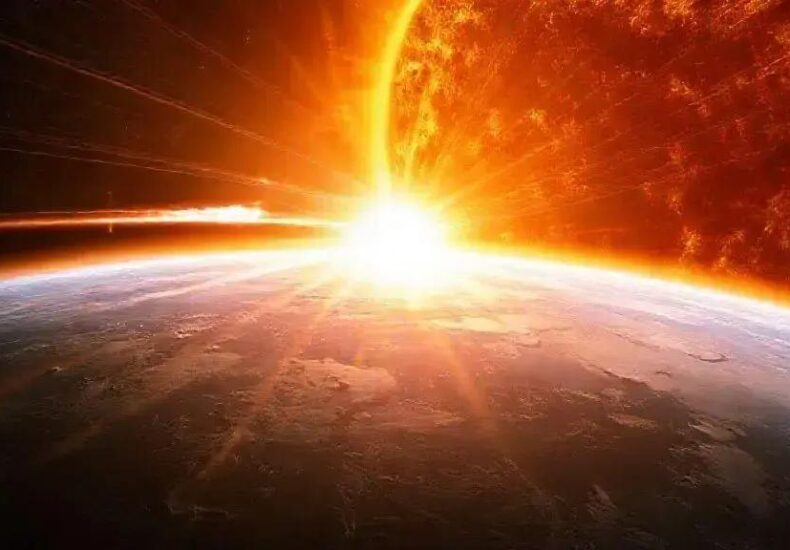
Solar-terrestrial coupling is the interaction between solar activity and Earth’s magnetic and atmospheric systems, affecting space weather, communication, and power infrastructure through dynamic energy transfers from the sun to our planet.
Solar-Terrestrial coupling stirs curiosity as it reveals how the sun’s moods shape our planet’s space environment. Ever wondered how solar flares or storms might ripple down to affect your GPS or power supply? This ongoing research uncovers the invisible ties binding sun and Earth, inviting us to explore a fascinating cosmic conversation.
Understanding solar-terrestrial coupling basics
Solar-terrestrial coupling refers to the dynamic relationship between the sun’s energy and Earth’s magnetic and atmospheric systems. This connection starts with solar emissions, such as solar wind and radiation, which travel through space and interact with Earth’s magnetosphere. The magnetosphere acts like a protective shield, but it can be affected by variations in solar activity.
When charged particles from the sun encounter Earth, they can trigger changes in the magnetic field and upper atmosphere. These interactions lead to phenomena such as auroras, disruptions in communication systems, and fluctuations in satellite operations. Understanding the basics involves studying how solar energy transfers through space and affects different layers of Earth’s environment.
Key Components of Solar-Terrestrial Coupling
The main elements involved include the solar wind, Earth’s magnetosphere, ionosphere, and thermosphere. Each plays a role in controlling how energy moves and transfers. For example, the ionosphere can reflect or absorb radio waves, influencing communication, while the thermosphere expands or contracts with solar heating.
Research in this field is important because it helps predict space weather impacts that affect technology and daily life on Earth. By grasping these fundamentals, scientists can better prepare for solar events that might disrupt power grids or global navigation.
How solar activity affects Earth’s magnetic field
Solar activity, including solar flares and coronal mass ejections, sends streams of charged particles toward Earth. When these energetic particles strike Earth’s magnetic field, they cause it to fluctuate in a process known as geomagnetic disturbance. These fluctuations can disrupt satellites, communication systems, and even power grids.
Earth’s magnetic field acts like a giant shield, deflecting harmful solar particles. However, intense solar storms can compress and distort this field, creating unpredictable effects in the magnetosphere. These changes can last from hours to days, depending on solar activity intensity.
The Connection Between Solar Events and Magnetic Field Changes
Solar winds carry particles that interact with Earth’s magnetosphere, transferring energy and causing magnetic storms. These storms can induce electrical currents in the upper atmosphere and on the ground, affecting technology and navigation systems.
Auroras are one visible result of solar particles interacting with magnetic fields. They occur mostly near the poles, where the magnetic field lines converge, allowing particles to enter the atmosphere and create stunning light displays.
The role of the ionosphere and thermosphere
The ionosphere and thermosphere are critical layers of Earth’s upper atmosphere that respond directly to solar energy. The ionosphere, located about 50 to 600 miles above Earth, is filled with charged particles or ions created by solar radiation. This electrically charged region reflects and modifies radio waves, enabling long-distance communication.
The thermosphere, situated above the ionosphere, absorbs intense solar ultraviolet and X-ray radiation, causing temperatures to rise dramatically. This layer expands and contracts based on solar activity, influencing satellite orbits.
Interactions and Importance
Solar storms inject energy into these layers, which can disrupt GPS navigation, radio signals, and even power grids. Changes in the ionosphere affect signal propagation, sometimes causing unexpected interruptions in communication. Meanwhile, the thermosphere’s density variations impact satellite drag and lifespan.
Studying these layers helps scientists predict space weather and understand its impact on modern technology. This knowledge is vital for safeguarding communications and satellite operations in a world increasingly dependent on space-based systems.
Impacts of solar storms on technology and power grids
Solar storms can have powerful effects on Earth’s technology and power grids. When the sun releases bursts of energy and charged particles during events like solar flares or coronal mass ejections, they interact with Earth’s magnetic field, causing geomagnetic storms. These storms can induce electrical currents in power lines, potentially damaging transformers and causing widespread blackouts.
Communication systems, such as satellite signals and radio transmissions, are especially vulnerable during solar storms. Disruptions in GPS navigation and airline communications are common due to disturbances in the ionosphere. These interruptions can impact everyday activities as well as critical operations.
Effects on Satellites and Infrastructure
The charged particles from solar storms can damage satellites in orbit, affecting weather forecasting, television signals, and internet services. Increased radiation can also pose risks to astronauts. Ground-based infrastructure, including pipelines and electrical grids, can experience induced currents leading to corrosion or sudden failures.
Protecting technology from solar storms requires monitoring space weather and improving grid resilience. Advanced warnings allow operators to implement safety measures, such as grid adjustments and satellite shutdowns, reducing potential damage.
Recent advances in space weather forecasting
Recent advances in space weather forecasting leverage cutting-edge technology and international collaboration. Improved satellite missions and ground-based observatories provide real-time data on solar activity and its effects on Earth’s magnetic environment. This data enhances prediction models, allowing faster and more accurate forecasts.
Machine learning and AI are now being used to analyze complex solar data, spotting patterns that humans might miss. These tools help forecast solar flares, coronal mass ejections, and geomagnetic storms with greater precision. Early warnings enable industries to protect sensitive systems and reduce the impacts of space weather.
Collaborative Monitoring Systems
Global networks of sensors and satellites, such as the GOES and DSCOVR missions, track solar wind and magnetic field changes continuously. These systems share data internationally to provide a comprehensive view of space weather conditions.
Advances in computer modeling have also improved our understanding of how solar particles travel through space and interact with Earth’s magnetic field. This knowledge aids in predicting the timing and severity of geomagnetic storms, crucial for power grids, airlines, and communication networks.
Interdisciplinary approaches in solar-terrestrial research
Solar-terrestrial research unites multiple scientific fields to better understand how the sun and Earth interact. Interdisciplinary approaches bring together space physics, atmospheric science, geology, and computer modeling to study the complex linkages across different layers of the sun-Earth system.
Scientists use data from satellites, ground observatories, and laboratory experiments to explore how solar activity affects Earth’s magnetosphere, ionosphere, and climate. Collaboration between experts in different fields leads to improved models that can predict space weather impacts more accurately.
Benefits of Cross-Disciplinary Collaboration
Combining knowledge from geology and atmospheric studies helps reveal long-term effects of solar variations on Earth’s environment. At the same time, advances in computer science enhance data analysis and simulation capabilities, allowing researchers to test hypotheses and forecast solar-terrestrial events.
This holistic approach strengthens our ability to manage technological risks caused by solar storms and to better protect communication, navigation, and power systems.
Case studies of significant solar-terrestrial events
Several significant solar-terrestrial events have shaped our understanding of how solar activity impacts Earth. One famous example is the 1859 Carrington Event, a massive solar storm that caused widespread telegraph disruptions and bright auroras seen around the world. It remains a key case for studying extreme space weather.
More recent events, like the 1989 geomagnetic storm, resulted in a nine-hour blackout in Quebec, Canada. This event highlighted the vulnerability of modern power grids to solar-induced electrical currents. It prompted improvements in grid management and space weather monitoring.
Lessons from Past Events
Another important case is the Halloween Storms of 2003, which disrupted satellite operations and airline communications. These storms provided data that refined forecasting models and emergency response strategies.
Studying these cases shows the diverse ways solar-terrestrial interactions can affect technology, infrastructure, and daily life. They emphasize the need for continued research and preparedness to minimize risks from future solar storms.
Future challenges and research directions
The study of solar-terrestrial coupling faces several future challenges as scientists strive to understand the complex and dynamic interactions between the sun and Earth. One major challenge is improving the accuracy and lead time of space weather forecasts to better protect technology and infrastructure on Earth.
Advances in satellite technology, data analytics, and modeling are essential to observe solar activity in greater detail and predict its impact. Integrating data from multiple sources remains a challenge given the vast scales involved, both in space and time.
Research Directions and Technological Innovations
Future research aims to explore the deep connections between solar dynamics, Earth’s magnetic environment, and climate effects. Enhanced interdisciplinary collaboration will be crucial to develop comprehensive models that link solar events to real-world consequences.
Emerging technologies like artificial intelligence and machine learning offer promising tools to analyze enormous datasets efficiently and reveal hidden patterns in solar-terrestrial phenomena. Preparing for extreme solar events through robust infrastructure and global partnerships will remain a priority to mitigate risks.
Understanding the future of solar-terrestrial research
Solar-terrestrial coupling is a complex dance between the sun and our planet that affects many aspects of modern life. By improving space weather forecasts and embracing new technologies, scientists aim to protect our technologies and infrastructure better.
Collaboration across disciplines and innovations in data analysis will help us unlock new insights into how solar activity influences Earth. Preparing for future solar events is essential to minimize risks and keep our connected world running smoothly.
Staying informed and supporting continued research in this field will ensure we are ready for whatever the sun sends our way.
FAQ – Common Questions About Solar-Terrestrial Coupling
What is solar-terrestrial coupling?
Solar-terrestrial coupling describes how the sun’s energy interacts with Earth’s magnetic field and atmosphere, influencing space weather.
How do solar storms affect Earth’s technology?
Solar storms can disrupt power grids, satellite operations, GPS navigation, and communication systems due to geomagnetic disturbances.
What role does the ionosphere play in solar-terrestrial interactions?
The ionosphere contains charged particles influenced by solar radiation, affecting radio wave propagation and communication signals.
Why is space weather forecasting important?
Accurate space weather forecasts help protect technology and infrastructure by giving early warnings about solar storms and their impacts.
How do scientists study solar-terrestrial events?
Scientists use satellites, ground observatories, and computer models across disciplines like physics, atmospheric science, and geology to study these events.
What are the future challenges in solar-terrestrial research?
Future challenges include improving prediction accuracy, integrating data from multiple sources, and protecting infrastructure from extreme solar events.
You may also like

Leave a Reply