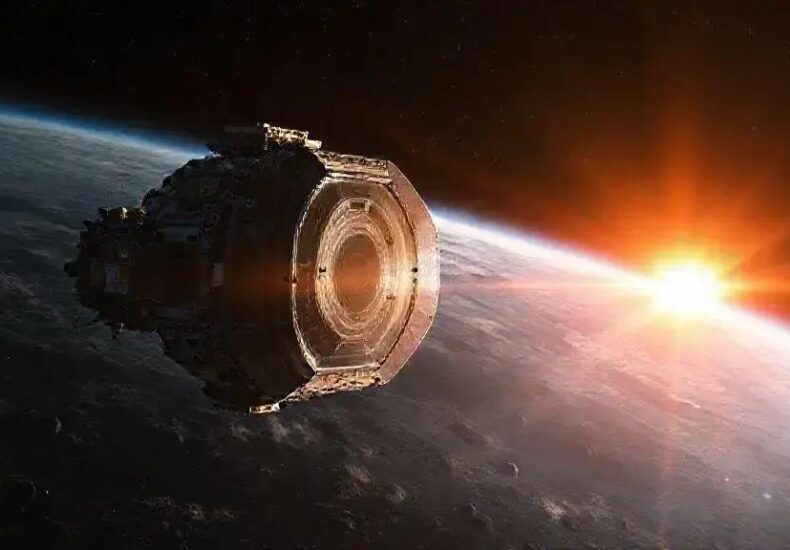
Spacecraft Electronics: Shielding Critical Components from Solar Threats
Spacecraft shielding uses specialized materials and layered designs to protect electronic components from solar radiation and particle damage, balancing effective protection with weight constraints to ensure mission success and longevity in harsh space environments.
Spacecraft shielding plays a crucial role in defending sensitive electronics from the unpredictable wrath of solar activity. Ever wondered how spacecraft survive intense solar storms without major breakdowns? This article uncovers the science and tactics behind protecting critical components out there.
understanding solar threats to spacecraft electronics
Solar threats to spacecraft electronics mainly come from solar radiation and energetic particles produced by the sun. These include solar flares, coronal mass ejections, and high-energy protons that can penetrate spacecraft shielding and disrupt electronic circuits. One major concern is radiation-induced damage, which can cause temporary malfunctions or permanent failures in sensitive components.
Solar flares emit intense bursts of X-rays and ultraviolet radiation that can interfere with satellite communications and degrade solar panels. Coronal mass ejections (CMEs) can lead to powerful geomagnetic storms affecting spacecraft magnetospheres and inducing harmful electric currents. High-energy protons, especially during solar particle events, penetrate deeper and can cause single-event upsets, damaging microchips and logic systems.
Understanding these solar threats is crucial for designing reliable spacecraft electronics. Engineers analyze solar activity patterns and forecast events to prepare shielding strategies and implement radiation-hardened components. This includes choosing materials and layouts that minimize damage and using error-correcting codes to maintain data integrity during solar events.
By studying solar threats in detail, spacecraft operators can anticipate risks, plan operational procedures during solar storms, and develop technologies to protect vital electronic systems from these unpredictable solar hazards.
materials used for effective spacecraft shielding
Effective spacecraft shielding relies on specialized materials designed to block or absorb harmful solar radiation and particle threats. Commonly used materials include aluminum alloys, which provide a strong yet lightweight barrier. Aluminum is favored due to its excellent strength-to-weight ratio and ability to reflect charged particles.
Another crucial material is polyethylene, a type of plastic rich in hydrogen atoms. Polyethylene’s high hydrogen content makes it excellent at stopping high-energy protons and cosmic rays, reducing radiation exposure to sensitive electronics. Its flexibility allows it to be layered or combined with other materials for enhanced protection.
Multi-layer insulation (MLI) is also widely used, consisting of thin sheets of metalized films separated by insulating spacers. MLI reduces heat loss and shields electronics from charged particles and electromagnetic radiation.
Advanced composites and ceramics are gaining use for their thermal stability and radiation resistance. These materials help maintain shielding effectiveness under extreme temperature fluctuations in space.
Layered shielding approach
Combining several materials in layers creates a more effective shield. For example, a metal outer shell can deflect charged particles, while inner polyethylene layers absorb radiation. This layered design balances protection, weight, and cost, optimizing the spacecraft’s defense without excessive mass.
Choosing the right materials involves understanding both the expected solar threats and spacecraft mission specifics. Material innovations continue to improve shielding efficiency, ensuring electronics remain safe during harsh solar events.
design strategies to protect critical electronics
Protecting critical spacecraft electronics requires well-planned design strategies that minimize the risk of damage from solar radiation and particle impacts. One key approach is the use of radiation-hardened components, which are built to withstand higher doses of radiation without failure.
Engineers also optimize the layout of electronic systems by physically separating sensitive components and implementing redundant circuits. Redundancy ensures that if one component fails due to a solar event, backup systems can take over to maintain functionality.
Shielding placement is carefully designed around the most vulnerable areas, combining mass shielding materials with strategic positioning inside the spacecraft. Placing important electronics deep inside the structure reduces exposure to harmful particles.
Another technique involves the use of error detection and correction algorithms in software. These algorithms help identify and fix data corruption caused by single-event upsets, preserving the integrity of mission-critical information.
Thermal control is also vital, as fluctuations in temperature caused by solar radiation can stress electronic components. Using heat-resistant materials and thermal blankets helps stabilize the operating environment.
Designers continuously consider trade-offs between weight, power consumption, and protection level to create systems that are both robust and efficient. Testing spacecraft electronics in simulated solar conditions helps verify that these strategies will protect the mission during actual solar events.
impact of solar flares on spacecraft systems
Solar flares are sudden bursts of energy from the sun that release intense radiation, affecting spacecraft systems in several ways. The high-energy photons and particles can disrupt electronic circuits, causing temporary malfunctions or permanent damage to critical components.
One major effect is the interference with communication systems. Solar flare radiation can fade or block radio signals between the spacecraft and Earth, leading to loss of data or command delays. This risk is higher during strong flare events when X-ray and ultraviolet emissions peak.
Solar flares also increase the radiation dose that spacecraft electronics receive. This can lead to single-event upsets (SEUs), where charged particles cause bits in memory or processors to flip, potentially corrupting data or causing system errors.
Thermal impacts are another concern as solar flares may cause rapid heating on exposed surfaces, stressing thermal control systems. Maintaining temperature stability inside the spacecraft is vital to ensure electronics function optimally.
Flight controllers often monitor solar flare activity closely and may put spacecraft into safe modes with reduced operations to protect sensitive systems during peak events.
Shielding and mitigation strategies help minimize the risks, but complete protection is challenging due to the unpredictable nature of flares. Continuous research aims to improve spacecraft resilience and forecasting capabilities for safer missions.
testing spacecraft shielding against radiation exposure
Testing spacecraft shielding against radiation is a critical step to ensure electronics survive harsh space environments. Engineers simulate solar radiation in laboratories using particle accelerators and X-ray sources to mimic the energy and type of particles spacecraft may encounter.
Irradiation tests expose shielding materials and electronic components to controlled doses of protons, electrons, and heavy ions. These tests help evaluate how well materials absorb or deflect radiation and assess the tolerance limits of critical parts.
Another important method is thermal vacuum testing where components are subjected to extreme temperature changes in a vacuum chamber while being irradiated. This simulates the combined effects of space conditions, including radiation and thermal stress.
During these tests, engineers monitor for single-event effects, such as bit flips and microprocessor errors, that can degrade mission performance. Data from testing informs material selection, shielding thickness, and design improvements.
Testing also includes accelerated aging to observe long-term effects of radiation exposure, ensuring the shielding maintains its protective properties over the spacecraft’s lifespan.
By thoroughly testing shielding effectiveness before launch, spacecraft missions reduce the risk of critical failures and improve operational reliability amid unpredictable solar radiation.
advancements in lightweight shielding technologies
Recent advancements in lightweight shielding technologies are revolutionizing spacecraft protection. Engineers strive to reduce the mass of shielding materials while maintaining or improving their effectiveness against solar radiation and energetic particles.
One promising development is the use of nanomaterials, such as carbon nanotubes and graphene composites. These materials offer exceptional strength and radiation absorption capabilities at a fraction of the weight of traditional metals.
Polymer-based composites embedded with hydrogen-rich additives have also seen improvements. Their high hydrogen content effectively neutralizes high-energy protons, making them ideal for radiation shielding without adding significant mass.
Advanced manufacturing techniques like additive manufacturing (3D printing) allow precise control over material structure and thickness, enabling optimized shielding layers tailored to specific mission requirements.
Multi-functional materials combine shielding with other roles such as thermal control or structural support, further reducing overall spacecraft weight.
These lightweight innovations help reduce launch costs and allow more payload capacity, enhancing mission capabilities. Continuous research is expanding the possibilities for effective, weight-efficient spacecraft shielding.
case studies of shielding failures and successes
Examining case studies of spacecraft shielding reveals valuable lessons in both failures and successes. One notable failure was the Galaxy 15 satellite anomaly in 2010, where a solar storm caused the spacecraft’s electronics to malfunction. This event highlighted the need for improved radiation shielding and better fault-tolerant designs.
On the success side, the Voyager spacecraft have operated for decades beyond expectations. Their robust shielding using multi-layered aluminum and specialized materials has protected sensitive electronics from intense solar and cosmic radiation.
Another case is the Hubble Space Telescope, which uses a combination of aluminum shielding and radiation-hardened electronics. Its resilience demonstrates how layering different methods enhances protection against solar threats.
Failures often stem from unforeseen solar radiation intensity or shielding degradation over time. Successful missions share traits like thorough pre-launch testing, use of cutting-edge materials, and adaptive operational protocols.
These case studies emphasize the importance of continuous innovation and rigorous testing in shielding design to safeguard spacecraft electronics and mission success.
balancing shielding effectiveness with spacecraft weight
Balancing shielding effectiveness with spacecraft weight is a critical challenge in spacecraft design. While thicker and denser shielding materials offer better protection against solar radiation, they also increase the overall weight of the spacecraft, affecting launch costs and fuel consumption.
Lightweight materials like aluminum alloys and advanced composites help reduce mass without significantly sacrificing protection. Engineers carefully select materials that provide sufficient radiation attenuation while keeping weight low.
Designers also employ layered shielding techniques that combine different materials to optimize both protection and weight. For example, a thin metal outer layer can deflect charged particles, while inner layers of hydrogen-rich polymers absorb radiation more effectively.
Simulation tools play a key role in modeling radiation exposure and predicting how shielding thickness impacts electronics. This enables precise calculations to find a balance between safety and weight limits.
Optimizing spacecraft structure and component placement also helps minimize shielding needs. Placing sensitive electronics in the spacecraft’s interior or behind other equipment can leverage existing mass as a protective barrier.
Ultimately, balancing shielding effectiveness with weight requires thorough analysis and testing to ensure mission success without exceeding launch vehicle capabilities or budget constraints.
future trends in spacecraft shielding innovations
Future trends in spacecraft shielding innovations focus on developing smarter, lighter, and more adaptable materials to better protect electronics from dynamic space environments. One promising area is self-healing materials that can repair damage caused by radiation, extending spacecraft lifespan without need for human intervention.
Adaptive shielding technologies use materials that change properties in response to varying radiation levels. This allows spacecraft to adjust protection dynamically, optimizing weight and safety during solar events.
Nanotechnology continues to drive advances, with research into nanostructured composites that combine strength, flexibility, and superior radiation absorption. These materials enable enhanced shielding that remains lightweight.
Another exciting trend is integrating shielding with other systems, such as energy storage and thermal regulation, to maximize multifunctionality without adding weight.
Artificial intelligence (AI) and machine learning are being applied to predict space weather more accurately and manage shielding deployment in real time, improving mission resilience.
As exploration missions extend deeper into space, these innovations are essential for safeguarding electronics against increasingly harsh solar and cosmic radiation environments, ensuring successful and longer-lasting missions.
best practices for maintaining spacecraft shielding integrity
Maintaining the integrity of spacecraft shielding is essential for ensuring ongoing protection against solar radiation and particle damage throughout the mission duration. Regular inspection and monitoring protocols are vital to detect any degradation or damage to shielding materials.
Spacecraft systems often include sensors that measure radiation levels and shielding performance in real time. This data allows operators to identify potential weak points early and adjust operational parameters to reduce exposure.
Proper thermal management supports shielding durability, as extreme temperature swings can cause materials to crack or weaken. Using thermal blankets and heat-resistant coatings helps maintain stable conditions.
Designing shielding with redundant layers and materials adds resilience, ensuring that if one layer is compromised, others continue to provide protection.
In some missions, periodic software updates help optimize shielding through improved error correction and system checks, enhancing the spacecraft’s defense against radiation effects.
Lastly, extensive pre-launch testing and quality control during manufacturing ensure that shielding meets strict standards, reducing the risk of premature failures in space.
Protecting Spacecraft Electronics for Successful Missions
Spacecraft shielding is vital for safeguarding critical electronics against harmful solar radiation and particle threats. Using the right materials, advanced design strategies, and effective maintenance practices ensures long-lasting protection.
Continued innovation in lightweight and adaptive shielding technologies promises even better defense in the future. Understanding solar threats and thoroughly testing shielding systems help spacecraft stay operational in harsh space environments.
By balancing protection with weight and integrating smart solutions, engineers enhance mission success and extend spacecraft lifespans. Prioritizing shielding integrity is key to navigating the challenges of space safely and effectively.
FAQ – Frequently Asked Questions about Spacecraft Shielding and Protection
What is spacecraft shielding and why is it important?
Spacecraft shielding protects electronic components from harmful solar radiation and energetic particles, ensuring the spacecraft operates reliably in space.
What materials are commonly used for spacecraft shielding?
Common materials include aluminum alloys, polyethylene, multi-layer insulation, and advanced composites that provide effective radiation protection while minimizing weight.
How do solar flares affect spacecraft electronics?
Solar flares emit intense radiation and energetic particles that can disrupt communications, cause memory errors, and damage sensitive electronics if not properly shielded.
What are some design strategies to protect critical spacecraft electronics?
Design strategies include using radiation-hardened components, layered shielding, redundant systems, error correction algorithms, and optimal placement of electronics within the spacecraft.
How is spacecraft shielding tested against radiation?
Shielding is tested in laboratories using particle accelerators and thermal vacuum chambers to simulate space radiation and thermal conditions, ensuring materials and designs are effective.
What future trends are shaping spacecraft shielding technologies?
Future trends include self-healing and adaptive materials, nanostructured composites, multifunctional shielding, and the integration of AI for real-time protection and space weather prediction.
You may also like




Leave a Reply