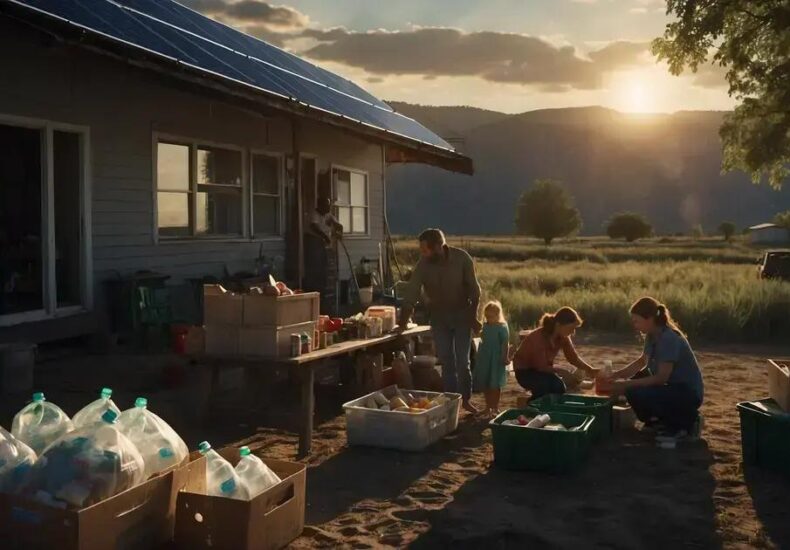
Stockpiling Essentials: Food, Water, and Supplies for Solar Storms
Stockpiling essentials for solar storms involves storing long-lasting food, clean water, and crucial supplies like first aid kits, tools, and communication devices, while organizing and rotating items to ensure readiness during power outages and disruptions.
Stockpiling essentials can feel overwhelming, especially when thinking about rare events like solar storms. But prepping smartly means having critical food, water, and supplies on hand so you’re not caught off guard when the power flickers or communication cuts out. Curious about what really matters? Let’s dive in.
Understanding solar storms and their impact
Solar storms happen when the sun releases bursts of energy and charged particles into space. These storms can disrupt satellites, power grids, and communication systems here on Earth. The most intense solar storms can cause blackouts and damage electronics, which is why understanding their impact is essential for preparedness.
These storms vary in strength, measured by their effects on Earth’s magnetic field. A severe storm can induce electric currents that overload transformers and cause long-term power outages. Knowing how solar storms affect technology helps you prioritize what to stockpile and how to protect your devices.
Besides power interruptions, solar storms can impact GPS navigation, radio communication, and even airline routes. This makes it important for individuals and families to be ready for disruptions that might last from hours to days.
Being aware of solar storm warnings and having backup power sources can reduce the risks and inconvenience during these events. Overall, understanding solar storms and their impact is the first step toward effective emergency planning and stockpiling essentials.
Choosing the right food for long-term storage
Choosing the right food for long-term storage means picking items that last, stay nutritious, and fit your storage space. Focus on non-perishable foods like dried beans, rice, pasta, canned vegetables, and freeze-dried meals. These foods have long shelf lives and provide essential nutrients during emergencies.
Look for foods with minimal moisture to avoid spoilage. Vacuum-sealed packages and airtight containers help keep food fresh longer. Consider foods that require little or no cooking since a power outage may limit your ability to heat meals.
Energy-dense foods, such as nuts, peanut butter, and granola bars, are excellent because they offer calories in small packages. Also, include comfort foods like chocolate or dried fruits to boost morale in tough situations.
Rotate your food stock regularly so nothing expires unnoticed. Use the oldest items first and replace them with fresh supplies. Keep a clear inventory list to track expiration dates easily.
Remember to account for dietary restrictions or allergies in your stockpile. Diverse food options ensure everyone’s needs are met during a solar storm or other emergencies.
Securing clean water and filtration methods
Having access to clean water is critical during a solar storm when municipal supplies might be disrupted. Start by storing bottled water in sturdy containers, aiming for at least one gallon per person per day.
In addition to stored water, consider water purification methods. Portable water filters can remove bacteria and protozoa, making natural water sources safer. Filters like ceramic or carbon types are popular for emergency use.
Chemical treatments, such as water purification tablets or household bleach (sparingly used), can also disinfect water. Follow manufacturer instructions carefully to ensure safety.
Boiling water is another effective way to kill pathogens, but requires fuel and equipment. It’s a reliable backup if chemical or filtration options are unavailable.
Don’t forget to store extra containers for collecting rainwater or catching runoff. Make sure all containers are clean and sealed tightly to avoid contamination.
Regularly check and replace your water supplies to maintain freshness. Combining stored water with purification methods offers a well-rounded approach to securing clean water during emergencies.
Essential supplies beyond food and water
Beyond food and water, having the right supplies can make a huge difference during a solar storm emergency. First aid kits are crucial for treating minor injuries and preventing infection when medical help might be delayed.
Flashlights and batteries ensure you can navigate safely in the dark. Solar-powered or hand-crank flashlights are excellent choices since they don’t rely on external power sources.
Communication devices like battery-powered radios help you stay informed about weather updates and emergency broadcasts. A whistle or signal mirror can also aid in attracting help if needed.
Tools such as multipurpose knives, duct tape, and fire starters add versatility and are valuable for repairs or starting fires for warmth and cooking.
Don’t forget hygiene supplies including moist wipes, hand sanitizer, and garbage bags to maintain cleanliness and prevent illness.
Clothing that suits the season, blankets, and sleeping bags will help keep you warm when power outages affect heating. Having these essential supplies organized and easy to access will improve your emergency readiness significantly.
Creating a practical storage and rotation plan
Creating a practical storage and rotation plan ensures your stockpile stays fresh and ready when needed. Start by organizing supplies in clear containers or labeled bins, making it easy to find items quickly.
Use the “first in, first out” (FIFO) principle: place new supplies behind older ones so you use older items first. This helps prevent waste and keeps your stockpile up to date.
Maintain an inventory list with purchase and expiration dates. Regularly check this list to identify items that need replacing or rotating.
Store food and water in a cool, dry, and dark place to extend shelf life. Avoid areas with temperature fluctuations or direct sunlight.
Schedule periodic inspections, ideally every six months, to review your stockpile condition and make adjustments.
Including rotation and organization in your plan helps you stay prepared without surprises, saving money and ensuring your family’s safety during emergencies like solar storms.
Preparing for solar storms starts with the essentials
Having a well-planned stockpile of food, water, and essential supplies can make a big difference when solar storms disrupt daily life. Taking time to understand the risks and prepare thoughtfully helps ensure you and your family stay safe and comfortable.
From choosing the right foods to securing clean water and organizing your supplies, every step builds resilience. Simple habits like regular rotation keep your stockpile reliable and ready.
By investing in these preparations today, you can face solar storms and other emergencies with confidence and peace of mind.
FAQ – Stockpiling Essentials for Solar Storm Preparedness
What are the most important food items to stockpile for solar storms?
Focus on non-perishable foods like canned goods, dried beans, rice, and freeze-dried meals that last long and provide essential nutrients.
How much water should I store per person?
It’s recommended to store at least one gallon of water per person per day for drinking and sanitation purposes.
What are effective methods to purify water during an emergency?
Portable water filters, chemical treatments like purification tablets, and boiling water are effective ways to make water safe for consumption.
Which essential supplies should I include beyond food and water?
Include first aid kits, flashlights with extra batteries, battery-powered radios, multipurpose tools, hygiene products, and seasonal clothing or blankets.
How can I keep my stockpile organized and fresh?
Use the first in, first out (FIFO) method by rotating older supplies to the front and regularly checking expiration dates with an inventory list.
Why is it important to plan for solar storms specifically?
Solar storms can cause power outages and disrupt communication, so being prepared with essential supplies helps you stay safe and comfortable during these events.
You may also like




Leave a Reply