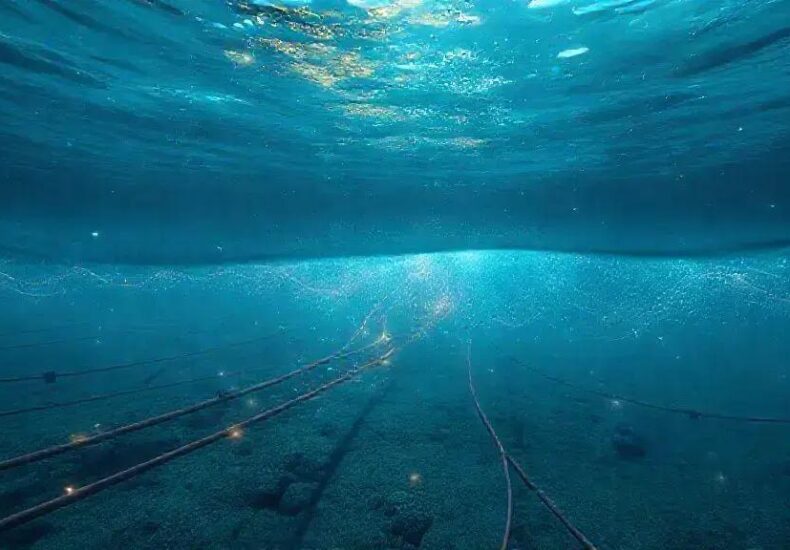
Subsea Communication Cables and Geomagnetic Currents: Hidden Hazards
Subsea cables are fiber-optic networks on the ocean floor that enable global internet connectivity but face risks from geomagnetic currents that induce electrical damage and disrupt data transmission.
Subsea cables are the backbone of our connected world, but have you ever wondered how invisible geomagnetic currents might threaten them? These hidden forces can disrupt communication networks in surprising ways. Let’s dive into what’s happening beneath the oceans and why it matters to all of us.
what are subsea communication cables and their purpose
Subsea communication cables are fiber-optic cables laid on the ocean floor that carry telecommunications signals across continents. They form the backbone of global internet and phone networks, transmitting up to 99% of international data traffic.
These cables are designed to handle vast amounts of data quickly and reliably under harsh underwater conditions. They are made with multiple protective layers, including waterproof sheaths, to withstand pressure, seawater corrosion, and potential damage from marine life or fishing activities.
Purpose of subsea communication cables
The main purpose of these cables is to enable global connectivity. They link countries and continents, allowing instant communication, streaming, financial transactions, and cloud data transfer worldwide.
Without this extensive network of subsea cables, international communication and the internet would rely on satellites, which have slower speeds and higher costs. This makes subsea cables essential for modern digital life and global commerce.
Understanding these cables’ crucial role helps us appreciate the infrastructure that keeps our world connected beneath the ocean surface.
how geomagnetic currents form and their characteristics
Geomagnetic currents are electric currents generated in the Earth’s magnetosphere and ionosphere due to interactions with solar wind and variations in Earth’s magnetic field. When charged particles from the sun collide with the Earth’s magnetic field, they create disturbances that induce these currents.
These currents often flow through conductive materials on Earth’s surface, including subsea communication cables. They vary in intensity depending on solar activity, such as solar flares and coronal mass ejections, which can cause geomagnetic storms.
Characteristics of geomagnetic currents
Geomagnetic currents typically have low frequencies and can last from minutes to several hours. Their strength fluctuates with solar cycles and geomagnetic latitude, being stronger near the poles and weaker near the equator.
These currents are invisible but powerful, capable of inducing electrical voltages that may disrupt or damage critical infrastructure. Understanding their formation and behavior is vital, especially for systems like subsea cables that are vulnerable to these subtle yet hazardous forces.
effects of geomagnetic currents on subsea cable integrity
Geomagnetic currents can induce electrical charges in subsea communication cables, leading to significant effects on their integrity. These currents create unexpected voltage fluctuations that can damage the cable’s materials and disrupt data transmission.
Physical damage to cables
The induced voltages may cause electrochemical corrosion in metal parts of the cables, weakening protective layers and exposing internal fibers to seawater, which accelerates deterioration.
Signal disruptions
Geomagnetic currents can interfere with the delicate fiber-optic signals, resulting in increased data loss, latency, and communication failures. This interference compromises the cable’s reliability and can cause outages in global networks.
Increased maintenance and costs
Damage from geomagnetic currents demands more frequent inspections and repairs, raising operational costs. Cable operators must implement monitoring systems to detect early signs of geomagnetic-induced stress to prevent severe failures.
Understanding these impacts is crucial to safeguarding our global communication infrastructure against invisible and natural threats from space.
case studies of subsea cable disruptions linked to geomagnetic activity
Several documented case studies reveal how geomagnetic activity has disrupted subsea communication cables, impacting global connectivity. One notable event occurred during the 1989 geomagnetic storm, which led to widespread cable faults and service interruptions in the North Atlantic network.
In 2003, another intense solar storm caused disturbances in cables linking Europe and North America. This event resulted in increased errors and temporary shutdowns to protect equipment.
Impact on cable systems
These disruptions highlight how vulnerable subsea cables are to geomagnetic currents. Operators had to implement emergency protocols, rerouting data traffic and repairing damaged sections rapidly to restore service.
Studies also show that areas near the poles, where geomagnetic activity is stronger, face higher risks of cable damage and outages. This knowledge drives the development of better monitoring technologies and protective measures.
Such real-world cases emphasize the critical need to understand and prepare for geomagnetic threats that can silently undermine the oceanic cables we rely on.
technological measures to monitor subsea cable vulnerabilities
To protect subsea communication cables from threats like geomagnetic currents, advanced monitoring technologies are essential. These systems continuously check cable health and detect unusual electrical activity that could indicate damage or interference.
Fiber optic sensing technologies
One popular method uses the cable’s own fiber optics to sense changes in temperature, pressure, and strain. This helps identify physical stresses early before significant damage occurs.
Electrical monitoring systems
Special sensors detect geomagnetic-induced voltages and currents along the cable. These sensors provide real-time data to operators, allowing quick responses to disturbances.
Remote monitoring and AI analytics
Remote platforms combine sensor data with artificial intelligence to predict potential failures. AI analyzes patterns and alerts operators to risks, enabling proactive maintenance and reducing downtime.
By using these technological measures, subsea cable operators can safeguard critical infrastructure against hidden geomagnetic hazards effectively.
strategies to mitigate risks from geomagnetic currents
Mitigating risks from geomagnetic currents on subsea cables requires a combination of engineering solutions and operational strategies. One effective approach involves improving cable design to resist induced electrical currents and corrosion.
Enhanced cable shielding and materials
Using advanced insulating materials and metallic shielding layers helps reduce the impact of geomagnetic-induced currents. This limits the electrical flow that can damage the cable’s structure.
Dynamic load management
By adjusting the electrical load on cables during periods of high geomagnetic activity, operators can lower stress. This reduces the chance of damage during geomagnetic storms.
Real-time monitoring and rapid response
Strategies include continuous monitoring to detect abnormal currents early. When risks are detected, operators can reroute data or initiate protective shutdowns to prevent long-term damage.
Collaborative forecasting
Working with space weather forecasting centers helps cable operators prepare for geomagnetic storms. Advanced warnings enable proactive measures and resource allocation.
Combining these strategies strengthens subsea cable resilience, ensuring stable communication despite natural geomagnetic hazards.
the future of subsea cables amid increasing geomagnetic threats
The future of subsea cables faces new challenges as geomagnetic threats grow with increasing solar activity cycles. Advancements in cable technology and protective measures will be essential to maintain global connectivity.
Innovations in cable materials
Research focuses on developing stronger, more resilient materials that can better withstand electrical currents caused by geomagnetic storms. These include improved insulation and corrosion-resistant metals.
Smart monitoring systems
Next-generation subsea cables will have enhanced sensors embedded along their length, providing continuous real-time monitoring of electrical and physical conditions. This will enable quicker responses to potential geomagnetic damage.
Integration with space weather forecasts
Closer collaboration between cable operators and space weather agencies will improve prediction and early warning systems. This integration will help reduce disruptions through proactive operational adjustments.
Eco-friendly and sustainable designs
Future cables aim to minimize environmental impact by using sustainable materials and installation practices while still prioritizing durability and security against geomagnetic effects.
These innovations will help subsea cables remain robust and reliable as the world becomes increasingly dependent on seamless digital communication despite natural space weather hazards.
how this impacts global internet and data transmission
Subsea cables carry over 99% of global internet and data traffic, making them crucial for worldwide connectivity. Any disruption caused by geomagnetic currents can significantly affect data transmission speed, reliability, and security.
Slower and unreliable internet connections
Geomagnetic interference can lead to signal loss or delays, causing slow loading times, dropped calls, and interrupted video streams that impact users globally.
Financial and economic impacts
Many industries rely on fast, stable data links for trading, communication, and cloud services. Cable disruptions can cause costly downtime, lost transactions, and reduced productivity.
Increased cybersecurity risks
Interruptions in data flow may weaken network defenses and create vulnerabilities exploitable by cyberattacks during downtime or rerouting.
Maintaining subsea cable integrity is essential to ensuring seamless, secure global internet and data communication in an interconnected world.
Understanding and protecting subsea cables
Subsea cables are vital for global communication, but geomagnetic currents pose hidden risks that can disrupt data flow and damage infrastructure.
By adopting advanced monitoring, improved cable designs, and collaborative forecasting, we can better protect these underwater networks from natural threats.
As reliance on digital connectivity grows, investing in strategies to safeguard subsea cables is essential to ensure a stable and secure internet for everyone.
FAQ – Common questions about subsea cables and geomagnetic currents
What are subsea communication cables?
Subsea communication cables are fiber-optic cables laid on the ocean floor that carry internet and telecommunication signals across continents.
How do geomagnetic currents affect subsea cables?
Geomagnetic currents induce electrical charges in subsea cables, causing voltage fluctuations that can damage the cables and disrupt data transmission.
Can geomagnetic storms cause internet outages?
Yes, strong geomagnetic storms can damage subsea cables or interfere with signal transmission, leading to internet slowdowns or outages.
What technologies monitor subsea cables for geomagnetic risks?
Technologies such as fiber optic sensing, electric current monitoring, and AI-driven real-time data analysis help detect and manage risks to subsea cables.
How do cable operators prepare for geomagnetic storms?
Operators use space weather forecasts to anticipate storms, implement protective measures like adjusting load, and reroute data traffic to minimize damage.
Why are subsea cables important for global data transmission?
Subsea cables carry over 99% of international data and internet traffic, making them essential for reliable and fast global communication.
You may also like




Leave a Reply