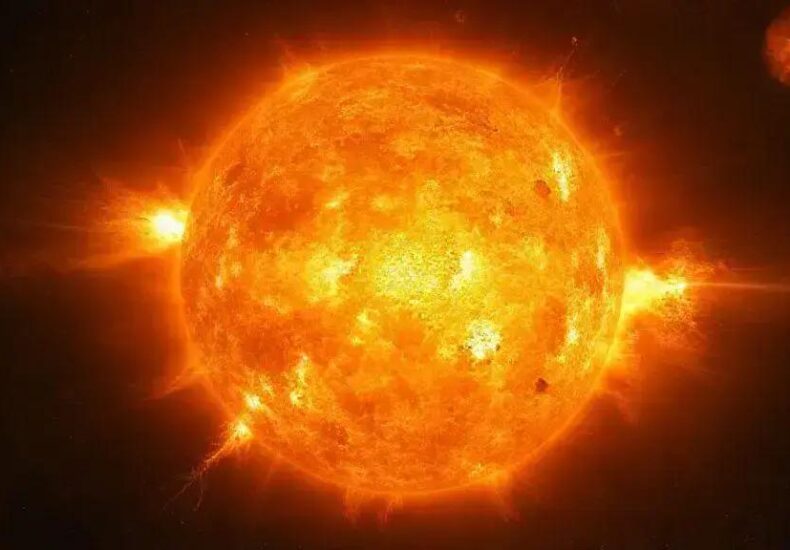
Do Solar Storms Only Happen During Sunspot Peaks?
Sunspot Peaks increase the frequency of solar storms due to intense magnetic activity, but solar storms can also occur outside these peaks caused by other solar phenomena like coronal holes and magnetic reconnection.
Have you ever wondered if solar storms only happen during the notorious Sunspot Peaks? It turns out the sun plays its tricks in ways that aren’t always so predictable. Let’s dive into what those peaks really mean for solar activity and whether less obvious times can also bring surprises.
understanding sunspots and their cycles
Sunspots are darker, cooler areas on the sun’s surface caused by intense magnetic activity. These spots can be large enough to cover Earth multiple times over. They follow an approximately 11-year cycle, known as the solar cycle, which moves from low to high sunspot numbers and back again. Understanding sunspot cycles is crucial because they help scientists predict solar activity, including solar storms. During the peak of a cycle, or solar maximum, sunspots become more numerous and active. Conversely, during the solar minimum, sunspot numbers drop significantly, with very few visible. Sunspots are not just random spots but part of complex magnetic processes that influence solar flares and coronal mass ejections, which can affect space weather and technology on Earth.
The 11-Year Solar Cycle
The cycle begins at the minimum phase, with few or no sunspots. Over several years, sunspots increase, reaching a maximum where solar activity is at its highest. After this peak, the cycle winds down again. This pattern helps scientists forecast periods of increased risk for solar storms that may disrupt satellites, power grids, and communications. Sunspot cycles are also linked to changes in solar radiation and can influence Earth’s climate over long periods.
Magnetic Dynamics Behind Sunspots
Sunspots are created by the sun’s magnetic field lines becoming twisted and concentrated. These tangled fields block some of the heat from the sun’s interior, making the spots cooler and darker. The magnetic complexity within sunspots often leads to solar flares and eruptions. By studying these magnetic fields, researchers gain insight into how the sun behaves and the potential impact of solar events on Earth.
what exactly are solar storms?
Solar storms are disturbances on the sun that release large amounts of energy into space. They include solar flares and coronal mass ejections (CMEs), which send particles and radiation toward Earth. These storms can disrupt satellite operations, radio communications, and even power grids. Solar flares are intense bursts of radiation caused by magnetic energy release, often near sunspots. CMEs involve massive clouds of solar plasma being hurled into space at high speeds.
Types of Solar Storms
Solar flares emit strong X-rays and ultraviolet light that reach Earth in minutes, affecting the ionosphere and impacting GPS signals. CMEs take longer to arrive but carry charged particles that create geomagnetic storms when they interact with Earth’s magnetic field. Together, these events shape space weather and can pose risks to technology and astronauts.
Causes and Characteristics
Solar storms originate from the sun’s magnetic fields becoming twisted and snapping back, releasing vast energy. This process is linked to sunspot activity but can happen at other times too. The intensity of a solar storm varies, with stronger storms causing more severe effects on Earth.
how sunspot peaks influence solar storm frequency
During sunspot peaks, also known as solar maximums, the number of sunspots on the sun’s surface greatly increases. This rise correlates with a higher frequency of solar storms, as sunspots are regions of intense magnetic activity. The magnetic fields in these areas can release energy suddenly, causing solar flares and coronal mass ejections (CMEs). These events happen more often during peak sunspot periods, leading to an increase in solar storms.
Correlation Between Sunspots and Solar Storms
Sunspots serve as triggers for solar storms because they mark areas where the sun’s magnetic field is twisted and stressed. When this magnetic energy is released, it generates solar flares and CMEs, which send bursts of radiation and charged particles toward Earth. Monitoring sunspot numbers helps scientists estimate the likelihood of such storms.
Increased Solar Activity Effects
At sunspot peaks, the sun’s activity is heightened, producing more frequent and intense solar storms. This increased activity can affect satellite communications, GPS signals, and power grids on Earth. Understanding that solar storms are more common during these times allows for better preparedness.
Exceptions and Variations
Even though solar storms are more frequent during sunspot peaks, isolated storms can still happen during quieter sunspot periods. Other solar phenomena and magnetic processes also contribute to this complexity, meaning solar storm prediction requires more than just tracking sunspot counts.
solar storms outside of sunspot peak periods
While solar storms are more common during sunspot peaks, they can and do occur outside these periods. This happens because the sun’s magnetic field is always changing and can produce solar flares and coronal mass ejections (CMEs) independently of sunspot numbers. Solar storms outside of sunspot peak periods tend to be less frequent but can still be powerful and affect Earth.
Quiet Sun, Active Space Weather
Even when sunspot activity is low, other solar phenomena, like coronal holes, can create high-speed solar winds that lead to geomagnetic storms. These coronal holes are areas where the sun’s magnetic field opens up, allowing charged particles to escape into space. Such events may cause auroras and affect satellite systems.
Unexpected Solar Storms
Sometimes, strong solar storms come without many sunspots visible on the surface. This shows that while sunspots are useful indicators, they are not the only factor that causes solar storms. Scientists must monitor various solar activities to better predict when storms might occur regardless of the sunspot cycle.
Importance of Continuous Monitoring
The unpredictable nature of solar storms outside sunspot peaks highlights why constant space weather monitoring is essential. Using satellites and ground instruments, researchers track changes on the sun to help protect technology and power systems on Earth from unexpected solar storm impacts.
effects of solar storms on earth and technology
Solar storms can cause significant disruptions on Earth and in technology. When charged particles from solar flares and coronal mass ejections reach Earth, they interact with the planet’s magnetic field and atmosphere. This interaction can produce beautiful auroras near the poles but can also disrupt radio signals, GPS navigation, and satellite communications.
Impact on Power Grids
The electric currents induced by solar storms can overload power grids and cause blackouts. Strong geomagnetic storms may damage transformers and other equipment, leading to costly repairs and widespread outages. This makes monitoring solar storms important for preventing power failures.
Effects on Satellites and Spacecraft
Solar storms increase radiation levels in space, putting satellites and astronauts at risk. High-energy particles can damage satellite electronics, degrade solar panels, and reduce the lifespan of space equipment. Astronauts may also face increased exposure to harmful radiation during solar storms.
Disruptions in Communications and Navigation
Radio communications, especially those relying on high frequency (HF) bands, can be interrupted during solar storms. GPS signals may become less accurate, affecting aviation, shipping, and everyday navigation. These disruptions highlight the need for robust systems and backup plans.
Governments and industries use space weather forecasts to prepare and protect infrastructures from the adverse effects of solar activity.
methods to predict solar storms beyond sunspot activity
Predicting solar storms involves more than just tracking sunspot activity. Scientists use a combination of tools and techniques to forecast these events and minimize their impact. One key method is monitoring the sun’s magnetic field using satellites equipped with advanced sensors. These tools detect changes that often precede solar flares and coronal mass ejections (CMEs).
Satellite Observations
Satellites like the Solar Dynamics Observatory provide continuous images of the sun, allowing scientists to track sunspot development and solar flare activity in real time. Instruments measure solar wind speed, density, and magnetic field, which helps in predicting when and how a solar storm might affect Earth.
Space Weather Models
Complex computer models integrate data from various sources to simulate the sun’s behavior and forecast solar storm events. These models consider solar wind streams, magnetic field interactions, and previous storm patterns to give a more accurate prediction than sunspot counts alone.
Ground-Based Monitoring
Observatories on Earth track geomagnetic activity and ionospheric changes caused by solar storms. By analyzing these signals, scientists can confirm incoming solar disturbances and provide early warnings. This multi-layered approach increases the reliability of storm predictions.
the role of other solar phenomena in storm generation
Solar storms are not caused solely by sunspots; other solar phenomena play important roles in storm generation. One key factor is coronal holes, which are dark areas on the sun’s surface where magnetic fields open into space. These holes let high-speed solar wind streams escape and can cause geomagnetic storms when they interact with Earth’s magnetic field.
Coronal Holes
Coronal holes appear as cooler, less dense regions on the sun’s atmosphere. They release fast-moving charged particles that can disturb Earth’s magnetosphere and cause auroras far from the poles. These solar wind streams can last for days or weeks, producing long-lasting space weather effects.
Solar Prominences and Filaments
Solar prominences are large, bright loops of gas held by magnetic fields. When these structures become unstable, they can erupt, releasing plasma into space as part of coronal mass ejections (CMEs). Filaments are prominences seen against the sun’s disk and can also erupt, contributing to solar storm activity.
Magnetic Field Interactions
The sun’s magnetic field twists and evolves, sometimes causing magnetic reconnection—a process that can rapidly release energy and trigger solar flares or CMEs. These processes occur not only in sunspot regions but also in the surrounding solar atmosphere, showing that multiple solar phenomena influence storm generation.
real-life cases of solar storms during low sunspot activity
Solar storms can occur even during periods of low sunspot activity, challenging the idea that storms only happen at sunspot peaks. One famous event is the March 1989 geomagnetic storm, which caused a massive power blackout in Quebec, Canada. This storm happened when sunspot numbers were relatively low, yet a strong coronal mass ejection (CME) struck Earth.
The 2003 Halloween Solar Storms
In late October and early November 2003, a series of intense solar storms impacted Earth. Despite a declining sunspot cycle, the sun unleashed powerful flares and CMEs that disrupted satellite communications, GPS, and power grids worldwide.
Smaller Storms and Auroras
Other less dramatic but still significant storms have caused beautiful auroras and minor disturbances during quiet sunspot phases. These examples prove that solar storm activity is not solely dependent on sunspot counts and that other solar factors contribute to space weather.
Understanding real-life cases like these helps improve prediction efforts and preparedness for unexpected solar storms, regardless of the sunspot cycle phase.
how to stay prepared for unpredictable solar storms
Being prepared for unpredictable solar storms involves awareness and proactive steps to reduce potential impacts on technology and daily life. One important measure is staying informed through reliable space weather forecasts provided by agencies like NOAA and NASA. These forecasts help anticipate solar storm arrivals and their intensity.
Protecting Technology
Power grids and communication systems benefit from surge protectors and backup power supplies to minimize damage during geomagnetic storms. Satellite operators can adjust orbits and power settings to protect sensitive equipment during solar storms.
Personal Preparedness
For individuals, having backup communication options and understanding the potential impact on GPS and radio signals can help during solar storm events. Emergency plans that include alternative navigation methods and power outage readiness are valuable in affected regions.
Continuous Monitoring and Research
Investing in research and technology to improve solar storm prediction enhances preparedness on a global scale. Collaborations between governments, industries, and scientists work toward developing better early warning systems and storm mitigation strategies.
Understanding Solar Storms Beyond Sunspot Peaks
Solar storms are complex and can occur even when sunspot activity is low. While sunspot peaks increase solar storm frequency, other solar phenomena also play crucial roles. Staying informed and prepared helps reduce the impact of these unpredictable events.
By monitoring space weather, protecting technology, and following early warnings, individuals and industries can better handle solar storms. Continued research and improved prediction methods will further enhance our readiness for whatever the sun sends our way.
FAQ – Understanding Solar Storms and Sunspot Activity
What are sunspots and how do they affect solar storms?
Sunspots are dark, cooler areas on the sun’s surface caused by intense magnetic activity. They often trigger solar flares and coronal mass ejections, leading to solar storms.
Do solar storms only happen during sunspot peaks?
No, solar storms are more frequent during sunspot peaks but can occur at any time due to other solar phenomena like coronal holes and magnetic reconnection.
How can solar storms impact Earth and technology?
Solar storms can disrupt satellite communications, GPS signals, power grids, and radio transmissions, sometimes causing blackouts and equipment damage.
Can solar storms be predicted accurately?
Scientists use satellite observations, space weather models, and ground-based monitoring to improve solar storm predictions, but some unpredictability remains.
What causes solar storms during low sunspot activity periods?
Other solar phenomena like coronal holes and solar prominences can cause solar storms even when sunspot activity is low.
How can individuals and industries prepare for solar storms?
Staying informed through space weather forecasts, protecting technology with surge protectors and backups, and having emergency plans help reduce solar storm impact.
You may also like

Leave a Reply