FAQ: How Often Do Solar Superstorms Actually Occur?
Superstorm frequency refers to how often intense solar storms occur, typically peaking around the sun’s 11-year cycle with rare but powerful events capable of disrupting technology and impacting space missions.
Ever wondered how often a superstorm frequency really spikes on the sun? These massive solar blasts might sound rare, but their timing and effect raise questions that many of us have. Let’s unpack what researchers know about how frequently these cosmic tempests hit us.
What defines a solar superstorm?
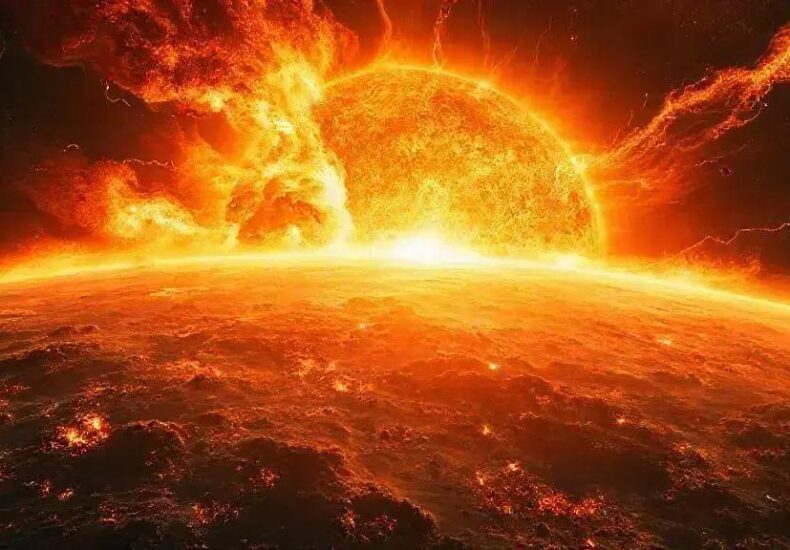
A solar superstorm occurs when the sun releases an extremely powerful burst of energy, typically in the form of a massive solar flare or a coronal mass ejection (CME). These events hurl large amounts of charged particles and magnetic fields into space, sometimes directed toward Earth. What sets superstorms apart from regular solar storms is their intensity and potential to cause significant disturbances.
The energy released in a superstorm is much greater than in typical solar storms, sometimes causing severe geomagnetic storms that impact Earth’s magnetosphere. This can disrupt satellite operations, communication systems, power grids, and even navigation instruments.
Key indicators of a solar superstorm include the size and speed of the CME, the strength of solar flares associated with it, and the orientation of the magnetic field within the ejected plasma. When the magnetic field points southward, it can more easily connect with Earth’s magnetic field, increasing the storm’s impact.
Solar superstorms often coincide with peaks in the solar cycle, which lasts about 11 years. However, their exact timing is unpredictable, making monitoring and forecasting critical for preparing and minimizing damage.
Historical records of solar superstorm occurrences
Historical records of solar superstorm occurrences provide valuable insights into how often these intense solar events impact Earth. The most famous event recorded is the 1859 Carrington Event, the largest geomagnetic storm on record, which caused widespread telegraph failures and vivid auroras around the world.
Other significant solar superstorms have been documented through natural archives, such as ice cores and tree rings, which show unusual levels of radioactive isotopes like carbon-14. These findings suggest that powerful solar storms may occur roughly once every few hundred years.
Modern Observations and Data
Since the advent of satellite technology in the late 20th century, scientists have been able to detect and monitor solar storms in real time. Observations show that while smaller solar storms happen frequently during the sun’s 11-year activity cycle, true superstorms are rare events.
Historical data combined with current monitoring helps scientists better predict the likelihood and potential timing of future superstorms, though precise forecasting remains challenging due to the sun’s complex behavior.
How scientists measure solar storm frequency
Scientists measure solar storm frequency by combining data from satellite observations, ground-based instruments, and historical records. Satellites like the Solar Dynamics Observatory constantly monitor the sun’s activity, detecting solar flares and coronal mass ejections (CMEs) which are primary sources of solar storms.
Solar storm frequency is tracked over solar cycles, which last about 11 years. During peak activity, known as solar maximum, storms happen more often. Scientists analyze the number and intensity of events recorded to understand frequency patterns.
Tools and Techniques
Ground-based observatories measure geomagnetic activity caused by solar storms, recorded as changes in Earth’s magnetic field. These measurements help to verify satellite data and provide long-term records.
Additionally, researchers study isotopes like carbon-14 and beryllium-10 in tree rings and ice cores, which fluctuate with solar activity. This extends our understanding of solar storm frequency beyond the satellite era.
By integrating multiple data sources, scientists build models that estimate the typical frequency and potential intensity of solar superstorms over time, aiding in preparation and forecasting.
The impact of solar superstorms on Earth
Solar superstorms can have a wide range of effects on Earth by disrupting the planet’s magnetic field and atmosphere. These storms send a flood of charged particles toward Earth, which interact with the magnetosphere and ionosphere.
One major impact is on communication systems. Radio signals, GPS navigation, and satellite operations can be interrupted or degraded, affecting aviation, military, and everyday smartphone use. Power grids are also vulnerable; strong geomagnetic storms can induce currents that overload transformers and cause blackouts.
Effects on Technology and Infrastructure
Satellites can suffer damage from high-energy particles, leading to system failures or shortened operational lifespans. This affects weather forecasting, internet connectivity, and other satellite-based services.
Radio blackouts can disrupt emergency services and delay flights by cutting off critical communication. Pipelines and railways might also experience increased corrosion or signaling issues during intense solar storms.
Natural Phenomena
Solar superstorms produce spectacular auroras, visible brighter and at lower latitudes than usual. While these light shows are beautiful, they are signs of intense energy impacting Earth’s magnetic environment.
Overall, the impact of solar superstorms on Earth highlights the need for robust monitoring and preparedness to reduce damage to essential systems.
Factors influencing superstorm frequency
The frequency of solar superstorms is influenced by several key factors related to the sun’s activity and magnetic behavior. One of the main drivers is the solar cycle, an approximately 11-year period during which the sun’s magnetic activity waxes and wanes. Superstorms tend to occur more often near the solar maximum, when sunspots and solar flares are most frequent.
Another important factor is the sun’s magnetic field configuration. Changes in this field can affect how often and how intensely coronal mass ejections (CMEs) are released. When magnetic fields near sunspots become highly twisted or unstable, they are more likely to release powerful storms.
External Influences and Long-Term Trends
Though the solar cycle is dominant, longer-term cycles and chaotic solar dynamics also play roles. Some research suggests that activity levels can shift over decades or centuries, influencing the chance of superstorms over longer timescales.
Scientists also study how interactions between solar wind, interplanetary magnetic fields, and Earth’s magnetic environment can amplify or dampen storm effects. These complex factors make predicting superstorm frequency challenging.
Predicting future solar superstorm events
Predicting future solar superstorm events involves monitoring solar activity and understanding patterns in the sun’s behavior. Scientists use advanced satellites and space probes equipped with instruments to observe sunspots, solar flares, and coronal mass ejections (CMEs) in real time.
Computer models simulate the sun’s magnetic field and plasma flows, helping forecast when and where a superstorm might develop. These models consider solar cycle phases and magnetic field changes to estimate the likelihood of powerful storms.
Challenges in Prediction
One major challenge is the sun’s complex and chaotic nature, which makes it difficult to give precise timing or intensity forecasts. While short-term predictions up to a few days ahead are improving, long-term forecasts remain uncertain.
Scientists also analyze historical data and cosmic records to improve understanding of superstorm frequency. Combining multiple data sources enhances preparedness efforts and allows for earlier warnings.
Continued improvements in technology and research will help provide better predictions and minimize the risks associated with solar superstorms.
Technology’s role in tracking solar storms
Technology plays a crucial role in tracking solar storms by providing the tools and data needed to observe the sun’s activity in real time. Satellites equipped with specialized instruments monitor solar flares, sunspots, and coronal mass ejections (CMEs), which are the main causes of solar storms.
Key satellites like the Solar Dynamics Observatory (SDO) and the GOES series collect detailed images and measurements of solar radiation, magnetic fields, and particle emissions. These data help scientists analyze the intensity and direction of solar storms.
Ground-Based Monitoring Systems
In addition to satellites, ground-based observatories monitor Earth’s magnetic field and ionosphere changes caused by solar storms. Magnetometers detect geomagnetic disturbances, providing early warnings for possible impacts on communication and power systems.
Advanced computer models process all collected data to forecast solar storm events and their potential effects on Earth. This integration of technology enhances preparedness and response, reducing risks associated with superstorms.
How often have superstorms disrupted technology?
Solar superstorms have disrupted technology several times throughout history, causing significant impacts on communication, power, and navigation systems. The most famous example is the 1859 Carrington Event, which caused telegraph systems around the world to fail and even sparked fires in telegraph offices.
In 1989, a powerful solar storm caused a widespread blackout in Quebec, Canada, by damaging power transformers. This event demonstrated how vulnerable modern electrical grids can be to space weather.
Other Notable Disruptions
Solar storms have also affected satellite operations, causing outages and damage to delicate electronics. GPS signals and radio communications can become unreliable or completely lost during strong geomagnetic storms, which impacts aviation and maritime navigation.
In recent years, increased reliance on technology makes societies more sensitive to these disruptions. Power grids, internet infrastructure, and even airline routes can be impacted if a strong superstorm strikes Earth.
Efforts to monitor and prepare for solar superstorms are crucial to minimizing these technological disruptions in the future.
Preparation tips for potential solar superstorms
Preparing for potential solar superstorms involves understanding their possible effects and taking steps to protect technology and infrastructure. One of the key actions is to ensure backup power sources are available, such as generators or battery systems, to handle power outages caused by geomagnetic storms.
Emergency communication plans should be in place to maintain contact during radio disruptions. This is vital for households, businesses, and critical services like hospitals and emergency responders.
Protecting Electronics and Systems
Using surge protectors and shielding sensitive electronics can reduce damage from induced electrical currents during storms. Utilities can install geomagnetic monitoring equipment to detect early signs and disconnect vulnerable grid components when necessary.
On a personal level, keeping an emergency kit with essentials like water, food, and a manual flashlight helps during unexpected outages. Staying informed through space weather forecasts allows timely preparation for approaching solar activity.
Governments and industries are also developing strategies to improve grid resilience and satellite hardening to mitigate superstorm impacts.
What the frequency means for future space exploration
The frequency of solar superstorms has significant implications for future space exploration. These intense solar events can expose astronauts and spacecraft to high levels of radiation, posing risks to human health and electronic systems. Understanding how often superstorms occur is essential for planning safe missions beyond Earth’s protective magnetic field.
Impact on Astronaut Safety
During a superstorm, increased radiation can affect astronauts on the International Space Station or those traveling to the Moon or Mars. Effective shielding and timely space weather forecasts are crucial for minimizing exposure.
Designing Resilient Spacecraft
Spacecraft need robust electronics and radiation-hardened components to withstand the effects of superstorms. Engineers use data on superstorm frequency to develop better materials and protective technologies.
Increased understanding of solar activity cycles also helps mission planners schedule spacewalks and other critical tasks during periods of lower solar risk. This knowledge enhances mission success and longevity.
Ultimately, knowing the frequency of solar superstorms shapes how we explore space safely and efficiently, driving innovation in both technology and operational strategies.
Understanding Solar Superstorms and Their Impact
Solar superstorms are powerful natural events that can significantly affect technology and space exploration. Knowing their frequency helps us prepare better and protect essential systems both on Earth and in space.
Continued research and advanced technology are key to improving predictions and minimizing risks. By staying informed and ready, we can face the challenges of these cosmic storms more effectively.
As we venture further into space, this knowledge will become even more important to ensure the safety of astronauts and the success of future missions.
FAQ – Understanding Solar Superstorms and Their Impact
What is a solar superstorm?
A solar superstorm is a powerful burst of energy from the sun, such as a solar flare or coronal mass ejection, that can affect Earth’s magnetic field and technology.
How often do solar superstorms occur?
Solar superstorms are rare and tend to occur near the peak of the sun’s 11-year solar cycle, usually once every few hundred years for the strongest events.
What kind of technology can be disrupted by solar superstorms?
Solar superstorms can disrupt satellites, GPS systems, radio communications, and power grids, potentially causing blackouts and communication failures.
How do scientists predict solar superstorms?
Scientists use satellites, ground-based observatories, and computer models to monitor solar activity and forecast potential superstorm events.
What preparations can be made for solar superstorms?
Preparations include having backup power sources, protecting sensitive electronics, maintaining emergency communication plans, and staying informed with space weather forecasts.
Why is understanding superstorm frequency important for space exploration?
Knowing how often superstorms happen helps in planning safe space missions by improving spacecraft design and shielding astronauts from harmful radiation.
You may also like

Leave a Reply