Uncovering Comet 3I/ATLAS: A Rare Cosmic Phenomenon Captured
The remarkable discovery of comet 3I/ATLAS, with its unique multiple tails, sheds light on how comets interact with solar radiation. This knowledge enhances our understanding of their evolution and potential risks, helping scientists explore the mysteries of our solar system more effectively.
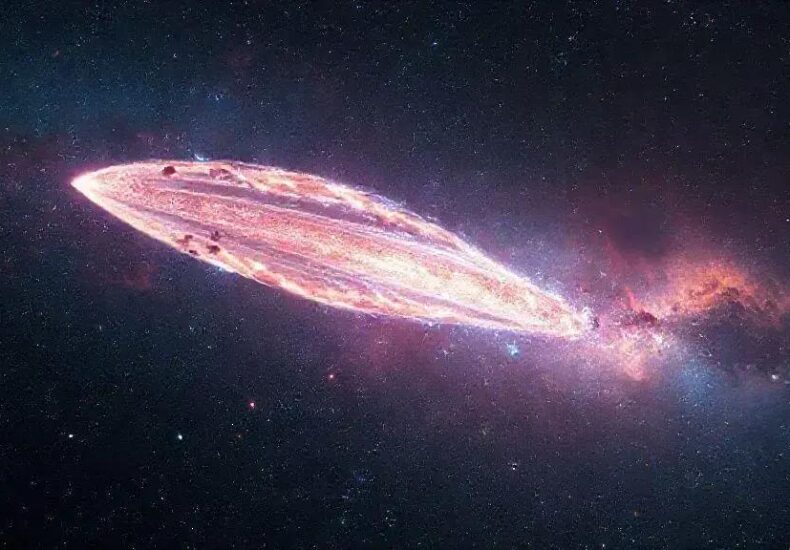
The discovery of comet 3I/ATLAS is quite thrilling. It’s not just any comet; it’s a new type that has multiple tails! This is rare and can tell us a lot about how comets work. Each tail points in different directions, which is exciting for researchers. They think it has unusual activity caused by the Sun’s heat. This activity gives clues about what happens when comets get close to our star.
Comets like 3I/ATLAS can teach us how solar radiation affects them. When comets pass the Sun, they start to change. They get warmer, and that heat can cause their icy core to release gas and dust. That’s what creates the tail. Understanding this helps scientists explore the life cycle of comets while improving space weather predictions. This knowledge is crucial for planning future missions.
With each new comet, researchers can refine their ideas about the origins of comets. They may also gather more data on how they evolve over time. Also, monitoring these cosmic travelers aids in assessing any potential risks they may pose. Each comet carries secrets from our solar system’s past, waiting to be uncovered.
You may also like




Leave a Reply