Understanding Prepping: A Guide for Modern Preparedness
Prepping is the practice of preparing for emergencies and unexpected events through food storage, skill development, and community support. By starting today, you gain peace of mind, self-sufficiency, and the ability to handle life’s challenges effectively.
In today’s unpredictable world, prepping has become more relevant than ever. Whether you’re new to the concept or looking to refine your skills, understanding what it means to prep can empower you in numerous ways.
What is Prepping?
Prepping is all about getting ready for emergencies and unexpected situations. It means preparing yourself and your family for anything that might happen. This could be natural disasters, food shortages, or other crises. Many people think of preppers as survivalists, but that’s not the whole picture.
At its core, prepping focuses on being self-sufficient. This means having the supplies, skills, and knowledge to take care of yourself. Preppers often build a stockpile of food, water, and essential items. They also learn skills like first aid, gardening, and basic repair work.
There’s no one-size-fits-all approach to prepping. It can look different for everyone. Some people might focus on food storage. Others may prioritize learning new skills or creating emergency plans. Ultimately, it’s about feeling safe and ready in uncertain times.
Prepping doesn’t mean you have to live in fear. Instead, it’s a way to feel empowered and proactive. By taking steps today, you can be better prepared for tomorrow’s surprises. Remember, the goal is to have peace of mind and take control of your future.
Levels of Prepping
Prepping can be broken down into different levels. These levels help people decide how much preparation they want to do. Understanding these levels can guide your own prepping journey.
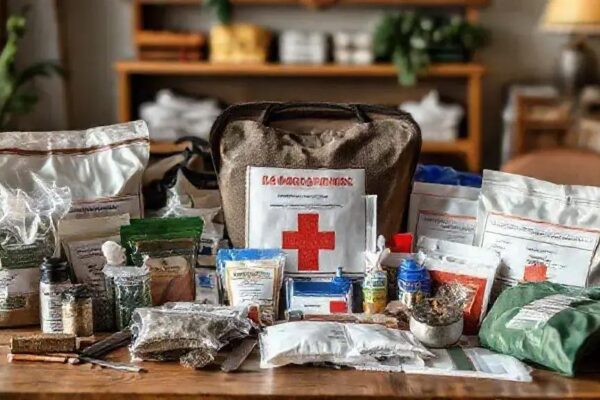
The first level is basic prepping. This is where most people start. It involves storing some extra food and water. You might keep a small first aid kit handy. This level focuses on being ready for short-term emergencies, like a power outage.
The second level is moderate prepping. At this stage, preppers stockpile more supplies. They might have a larger emergency kit and more food stored. They start to learn important skills, such as basic first aid and self-defense. This level helps you prepare for longer emergencies that could last days to weeks.
The third level is advanced prepping. This is for those who want to be very self-sufficient. Advanced preppers often prepare for long-term situations. They build strong supplies and grow their own food. They often practice skills like hunting, fishing, and farming.
Some people choose to go even further into extreme prepping. This includes serious survivalists who may even create off-grid living situations. While not for everyone, this level explores preparing for worst-case scenarios.
It’s essential to choose the level that works best for you. Prepping is personal, and what matters most is that you feel prepared and confident. Every little step you take towards prepping can make a big difference.
Common Misconceptions about Preppers
There are many misconceptions about preppers. Some people think all preppers are doomsday thinkers. The truth is, most preppers just want to be ready for anything. They plan for unexpected events, not because they fear the future.
Another common myth is that prepping requires a lot of money. While some people invest heavily in supplies, you can start prepping on a budget. Simple steps, like buying extra food or learning skills, can make a big difference without breaking the bank.
Some believe preppers are anti-social or live in isolated areas. In fact, many preppers are part of communities. They often share resources and knowledge with friends and family. Preparing can be a team effort.
Many people also think prepping means living in fear. This couldn’t be further from the truth. Most preppers feel empowered. They take control of their lives and gain peace of mind.
Lastly, some think prepping is only for extreme disasters. While prepping can help during big events, it’s also useful for everyday obstacles. Weather-related issues, job loss, or illness can happen anytime. Prepping for those situations is smart.
By understanding these misconceptions, we can see prepping more clearly. It’s about being ready and equipped for life’s uncertainties, no matter their size.
A Brief History of Prepping
The history of prepping goes back many centuries. People have always faced challenges, like droughts and wars. Early humans needed to plan for hard times. They stored food and gathered resources to survive.
In the 20th century, prepping gained more attention. During the Cold War, many Americans built bunkers. They worried about nuclear attacks and felt the need to prepare.
The Y2K scare in 1999 also sparked interest in prepping. People feared computer failures would disrupt life. Many stocked up on supplies, thinking they needed to be ready for anything.
In recent years, prepping has changed. Now, it’s not just about disasters. Many focus on self-sufficiency and sustainability. They want to connect with nature and rely less on stores.
Today, prepping is growing in popularity. More people are learning skills and building communities. Online groups share tips and resources. This shows that prepping is a modern practice with deep roots.
Understanding the history of prepping helps us see how it has evolved. It’s not just a trend; it’s part of human nature to be ready for challenges.
Modern Preppers and Their Strategies
Modern preppers have new strategies to handle today’s challenges. They focus on several key areas to stay prepared. These areas include food storage, skills development, and community building.
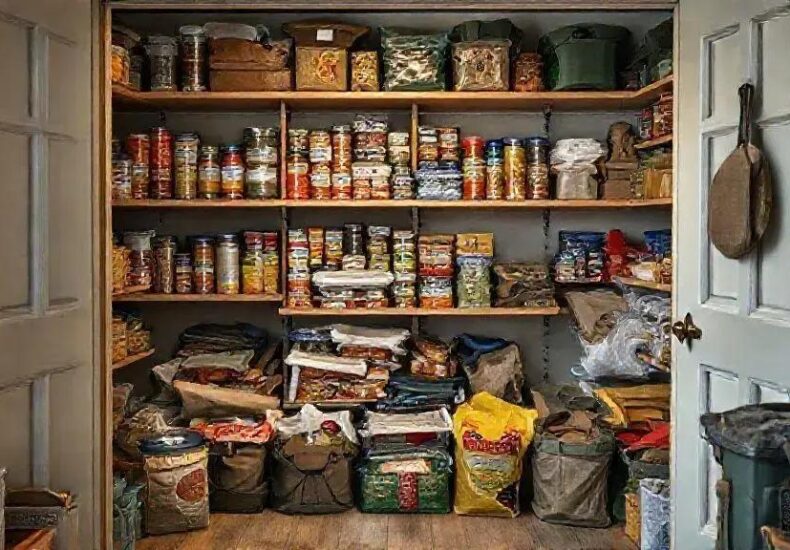
Food storage is a top priority for many preppers. They often create pantries filled with long-lasting foods. These can include canned goods, rice, and dried beans. Some even grow their own vegetables. This way, they ensure they have enough supplies during emergencies.
Skills are equally important. Modern preppers learn valuable skills like gardening, cooking, and first aid. Knowing how to fix things is also very useful. These skills provide confidence and self-reliance.
Community is vital for modern preppers. They often join local groups or online forums. Sharing knowledge and resources helps everyone in the community. Together, they can face challenges more effectively.
Preppers today also focus on sustainability. They want to reduce waste and use resources wisely. This means choosing eco-friendly products and growing food organically.
Finally, technology plays a role in modern prepping. Apps and online resources help preppers stay organized. They can track supplies, connect with others, and find helpful tips easily.
These strategies show how prepping has adapted. Modern preppers combine old techniques with new ideas to be better prepared.
The Future of Prepping
The future of prepping looks bright and evolving. As more people become aware of uncertainties, interest in prepping is growing. This means more resources and tools will be available.
One major trend is the rise of technology in prepping. Apps and online platforms are helping preppers stay organized. They can track supplies, learn new skills, and connect with others easily.
Education is another key aspect of prepping’s future. More workshops and classes are being offered. These help people learn the skills they need to be self-sufficient. Topics range from gardening to emergency preparedness.
Community outreach is also becoming popular. More groups are forming to teach prepping basics. These local networks encourage teamwork and sharing resources. This sense of community makes prepping more accessible.
As climate change impacts weather patterns, prepping becomes even more relevant. People may need to prepare for more frequent disasters. This includes floods, wildfires, and storms. Being ready for these events will be crucial.
The focus on sustainability is likely to grow as well. Many preppers are already prioritizing eco-friendly living. This means using renewable resources and adopting green practices.
Overall, the future of prepping is about adaptability. It blends old wisdom with modern solutions. As challenges change, so will the strategies preppers use to stay prepared.
Why You Should Start Prepping Today
Starting prepping today is a smart choice for everyone. You never know when an emergency might hit. It could be a natural disaster, a job loss, or even a health crisis.
One main reason to prep is peace of mind. Knowing you have supplies and skills can reduce anxiety. You can feel secure that you’re ready for whatever life throws your way.
Another reason is self-sufficiency. When you’re prepared, you can rely less on others. This means you can better handle tough situations. It empowers you to take control of your life.
Prepping can also help you save money. Buying in bulk or growing your own food can lower grocery bills. Plus, having supplies on hand means you’re less likely to panic-buy during emergencies.
It’s a fun activity too! Many people enjoy learning new skills like canning or gardening. These hobbies can be rewarding and useful in daily life.
Joining a prepping community can be beneficial. You can meet others with similar interests. This offers support and valuable knowledge sharing.
Finally, prepping encourages a more sustainable lifestyle. You start to think about reducing waste and being eco-friendly. This not only benefits you but also helps the planet.
By starting to prep today, you prepare for tomorrow. Every small step you take helps build a more secure future for you and your loved ones.
You may also like



Leave a Reply