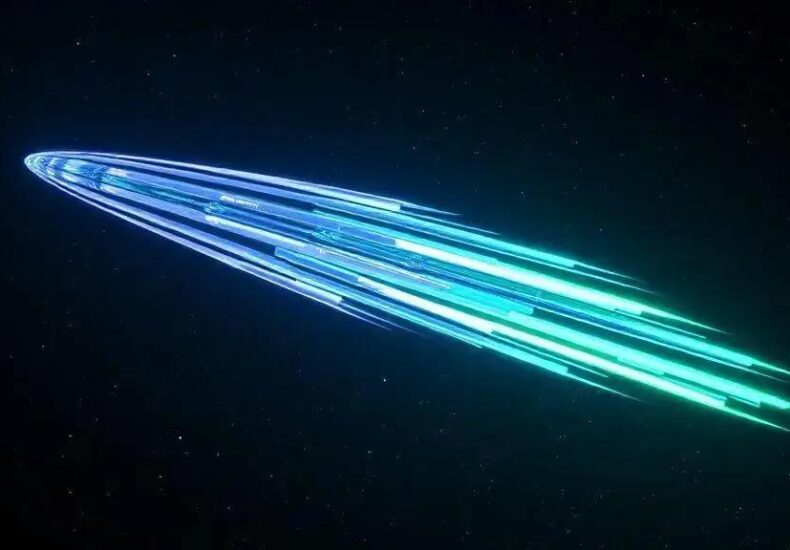
Unveiling the Mystery of Multi-Tailed Comet 3I/ATLAS and its Celestial Dance
The interstellar comet 3I/ATLAS showcases stunning multi-colored tails as it approaches the Sun. These tails form due to solar wind and heat interactions, revealing valuable insights about our galaxy and the early days of the solar system, making comets vital to understanding cosmic mysteries.
Comet 3I/ATLAS is an interstellar guest from afar. It approached our solar system in 2020. Since then, it has shown surprising features. This comet has multiple tails. Each tail is a result of gas and dust reacting with sunlight.
One of the most interesting things about 3I/ATLAS is how it changes. As it gets closer to the Sun, it starts to heat up. This heat creates a beautiful display of light. Each tail can look different, adding to its charm.
Why do comets have tails? Comets develop tails because of the solar wind. This wind pushes materials away from the comet. That’s why you’ll often see a tail stretching across the night sky.
Researching comets like 3I/ATLAS helps scientists learn more about our galaxy. These icy bodies can tell us about the solar system’s early days. They are like time capsules, holding secrets from billions of years ago. Every time a comet is observed, it offers new insights.
You may also like




Leave a Reply