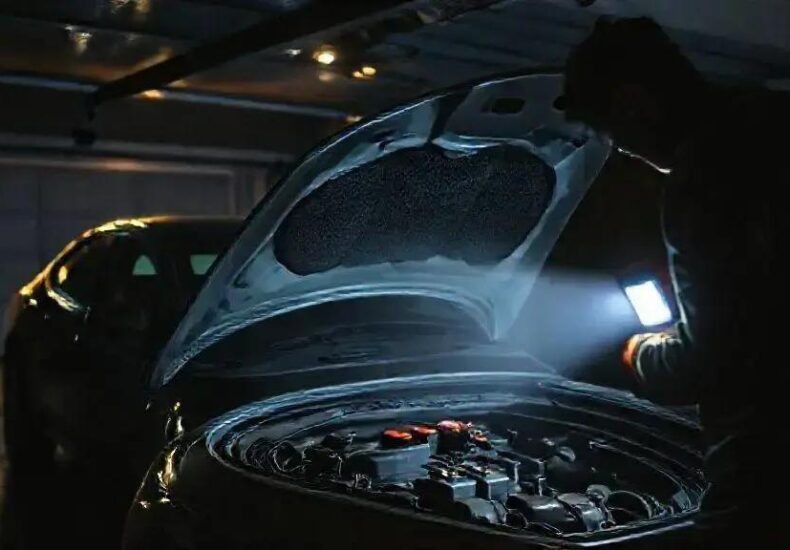
Maintaining Your Vehicle During an Extended Power Outage
Vehicle maintenance during an extended power outage involves regularly checking and preserving your battery, tires, engine fluids, and fuel quality while using portable power solutions and preparing a kit to prevent damage and ensure reliable operation.
Vehicle maintenance during an extended power outage isn’t something a lot of people think about until they’re caught off guard. Ever wondered how a blackout messes with your car’s health, or what you can do to avoid surprises? Let’s walk through some ways to keep your vehicle in good shape when the power’s out for a while.
understanding the impact of power outages on vehicles
Power outages can affect vehicles more than many realize. Without electricity, systems like electronic fuel injection, alarm systems, and onboard computers may not function properly if the vehicle’s battery runs low. Modern cars rely heavily on these electrical components for efficient operation.
Battery drain is a common issue during extended blackouts, as the battery cannot recharge through the alternator without the engine running regularly. This can lead to a dead battery, leaving you stranded.
Additionally, vehicles parked without use during power outages may experience issues such as corrosion on battery terminals and degradation of fuel quality if the gasoline sits unused for too long. These problems can reduce the reliability of your vehicle once power is restored.
Understanding these impacts helps you take proactive steps to protect your vehicle, such as starting it occasionally and performing regular battery checks. This knowledge is crucial for anyone facing long-term power interruptions.
checking and maintaining your battery health
Your vehicle’s battery is essential, especially during a power outage. Without a reliable battery, your car won’t start or operate its electrical systems effectively. Regularly checking your battery health helps avoid unexpected failures.
Signs of a weak battery
Look for dim headlights, slow engine crank, or warning lights on your dashboard. These can signal that your battery is struggling and may need attention.
How to check your battery
Use a multimeter to measure the voltage; a healthy battery should read around 12.6 volts when the engine is off. You can also inspect terminals for corrosion and ensure cables are tight.
Maintaining your battery
Keep the terminals clean using a mixture of baking soda and water if corrosion appears. Start your vehicle regularly during extended power outages to recharge the battery through the alternator.
Consider investing in a portable battery charger or jumper cables as a precaution. These tools can be lifesaving when power outages last longer than expected.
how fuel quality affects your vehicle during outages
Fuel quality is crucial when your vehicle is left unused during an extended power outage. Over time, gasoline can degrade and lose its effectiveness, which may cause your engine to run poorly or even prevent it from starting.
Why fuel degrades
Gasoline contains volatile compounds that evaporate when exposed to air, moisture, and temperature changes. This leads to the formation of varnish and gum deposits inside fuel systems, affecting engine performance.
Effects on your vehicle
Using old or contaminated fuel can result in hard starts, engine knocking, and reduced fuel efficiency. It can also clog fuel injectors and carburetors, adding costly repairs to your power outage worries.
Preventing fuel problems
To maintain fuel quality, fill your tank completely before an expected outage to minimize air exposure. Consider adding a fuel stabilizer to keep gasoline fresh for longer periods. If possible, run your engine periodically to circulate fuel and reduce deposits.
Storing extra fuel in approved containers can be helpful during emergencies, but remember to keep it in a cool, dry place away from direct sunlight and sources of heat.
importance of tire care during extended downtime
Tires often get overlooked during extended downtime, but they play a crucial role in vehicle safety and performance. When your vehicle is parked for long periods, tires can develop flat spots and lose pressure, which may lead to handling issues once you resume driving.
Maintaining proper tire pressure
Check and maintain tire pressure regularly, ideally once a week during a power outage. Underinflated tires wear unevenly and can affect your car’s fuel efficiency and braking.
Preventing flat spots
Flat spots occur when tires remain in one position for too long, causing the rubber to harden and distort. To avoid this, try to move your vehicle slightly every few days. This helps distribute weight and keeps the tires in good shape.
Inspecting tire condition
Before driving again, inspect tires for cracks, bulges, or other damages caused by prolonged inactivity. Replace tires showing significant wear or damage to ensure safety.
Proper tire care during an extended power outage helps maintain your vehicle’s safety and performance, preventing unexpected issues when you need to drive again.
keeping your engine fluids in check without power
Maintaining your engine fluids is vital even during a power outage. Fluids like engine oil, coolant, brake fluid, and transmission fluid keep your vehicle running smoothly and protect it from damage.
Checking engine oil
Use the dipstick to check your oil level regularly. Low engine oil can cause severe damage to your engine. If it’s low, add the recommended type for your vehicle.
Coolant levels
Coolant prevents your engine from overheating and freezing. Without power, maintaining the right coolant level is key to avoiding costly repairs. Inspect the coolant reservoir and top it off if needed.
Brake and transmission fluids
Brake fluid ensures your brakes work properly, while transmission fluid keeps gears shifting smoothly. Check these fluids carefully, and refill with the correct type to maintain vehicle safety.
Even when your vehicle isn’t running regularly during a power outage, keeping fluids at proper levels prevents mechanical issues and helps ensure reliable performance once the power returns.
preventing corrosion and rust when power is out
When your vehicle sits unused during a power outage, it becomes vulnerable to corrosion and rust. Moisture, temperature changes, and humidity can accelerate metal deterioration, especially on body panels and undercarriage parts.
Protecting exposed metal surfaces
Apply a thin layer of anti-corrosion spray or wax on exposed metal parts. This creates a barrier against moisture and limits rust formation. Don’t forget door hinges, undercarriage, and wheel wells.
Keeping the vehicle dry
Park your vehicle in a covered area or garage to minimize exposure to rain and humidity. Use moisture absorbers inside the vehicle to prevent dampness that can cause rust from the inside out.
Regular inspections and cleaning
Even during outages, try to inspect your vehicle periodically for early signs of rust. Washing off dirt, salt, or grime as soon as power is restored prevents long-term damage and preserves the paint and metal.
Taking these precautions helps maintain your vehicle’s condition and reduces costly repairs caused by corrosion when power remains out for extended periods.
safely storing your vehicle during a blackout
Storing your vehicle safely during a blackout helps prevent damage and ensures it’s ready to use when power returns. Choose a secure, covered location like a garage to protect your car from weather and theft.
Preparing your vehicle
Before storing, check that all windows and doors are closed tightly to keep out dust and moisture. Remove any fresh food or items that may spoil inside the car during a long outage.
Using protective covers
A breathable car cover helps protect your vehicle’s paint from dust, debris, and moisture buildup. Make sure the cover fits well and allows some air circulation to prevent mold or rust.
Safety precautions
Disconnect the battery if the vehicle will remain idle for weeks to prevent power drain and damage. Use wheel chocks or block the tires if parking on an incline to keep the vehicle stable.
Finally, keep keys and any emergency tools in an accessible spot. Following these steps helps maintain your vehicle’s condition and security during extended power outages.
using portable power solutions for essential maintenance
Portable power solutions are invaluable during extended power outages to keep your vehicle operational. Devices like portable jump starters, solar battery chargers, and portable power banks help maintain essential functions without relying on the main power supply.
Portable jump starters
A portable jump starter is compact and easy to use. It can quickly provide the power needed to start your vehicle if the battery is drained. Keep one charged and accessible to avoid being stranded.
Solar battery chargers
Solar chargers use sunlight to trickle charge your battery over time. These are eco-friendly and can be left connected to your vehicle during prolonged outages to preserve battery life.
Portable power banks
Power banks can run small electrical devices or charge mobile phones. Some advanced models come with outlets for car charging systems, supporting multiple maintenance tasks when power is unavailable.
Using these portable solutions ensures you can perform necessary vehicle maintenance, avoid battery failure, and stay prepared during power interruptions.
planning ahead: creating a vehicle outage preparedness kit
Preparing a vehicle outage kit ensures you have the essentials needed during extended power outages. This kit keeps you ready to address common vehicle issues and maintain safety.
Essential items for your kit
Include a portable jump starter, jumper cables, a tire pressure gauge, a spare tire, and a tire repair kit. These tools help you handle battery or tire problems quickly.
Fluids and maintenance supplies
Pack extra engine oil, coolant, brake fluid, and a fuel stabilizer. Having these on hand lets you top off critical fluids without relying on power for regular service visits.
Safety and emergency supplies
Add a flashlight with extra batteries, reflective triangles, a first aid kit, and gloves. These items enhance safety and preparedness if you need to work on your vehicle in the dark or cold.
Storing these supplies in a sturdy container keeps everything organized and easy to access when needed during a blackout or power outage.
Staying Prepared During Extended Power Outages
Maintaining your vehicle during a long power outage takes some planning but is essential for safety and reliability. By understanding how outages affect your car, caring for the battery, tires, fluids, and fuel, and using portable power solutions, you can avoid unexpected problems.
Creating a preparedness kit with the right tools and supplies ensures you’re ready to handle issues quickly and with confidence. Taking these steps helps keep your vehicle in good shape when power is out and makes getting back on the road easier once it returns.
Being proactive with vehicle maintenance during outages not only protects your investment but also gives you peace of mind in uncertain times.
FAQ – Maintaining Your Vehicle During an Extended Power Outage
How long can a vehicle battery last during a power outage?
A vehicle battery can last a few weeks without charging, but it depends on the condition of the battery and electrical usage. Regular checks help prevent unexpected failure.
Should I drive my vehicle during a power outage to maintain its battery?
Yes, starting and driving your vehicle occasionally helps recharge the battery and keeps fluids circulating, preventing damage due to inactivity.
What fluids are most important to check during an extended power outage?
Engine oil, coolant, brake fluid, and transmission fluid are crucial to check and maintain for safe and reliable vehicle operation.
Can I store fuel for use during a power outage?
Yes, storing fuel in approved containers with fuel stabilizers helps maintain fuel quality and ensures it is safe for use when needed.
Are portable power solutions effective for vehicle maintenance during outages?
Absolutely. Portable jump starters, solar chargers, and power banks provide essential energy to help maintain battery health and perform minor repairs.
How do I prevent rust and corrosion on my vehicle during a long power outage?
Keep your vehicle dry, use anti-corrosion sprays on exposed metal parts, and cover it with a breathable car cover to protect against moisture and rust.
You may also like




Leave a Reply