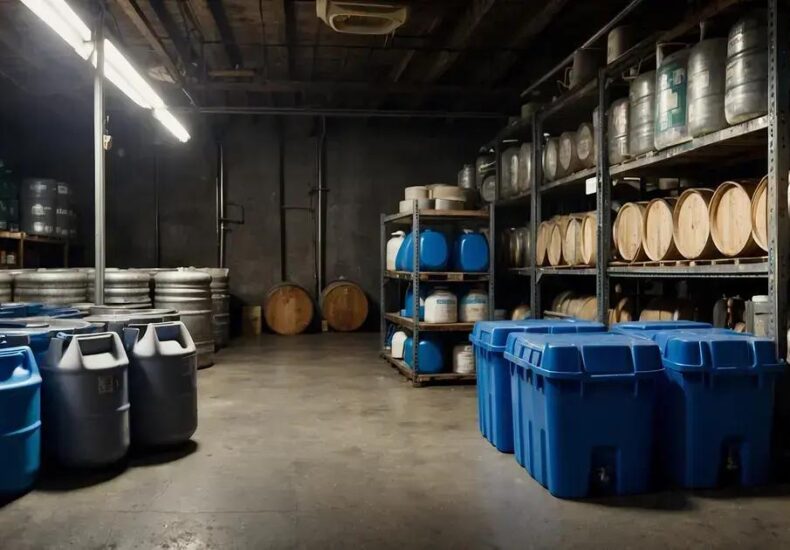
Long-Term Water Storage Tips for Grid-Down Scenarios
Water storage for long-term grid-down scenarios requires clean, food-grade containers, proper treatment, storage in cool, dark places, regular rotation every 6-12 months, and emergency purification methods to ensure safe and reliable access to drinking water.
Water Storage becomes a lifesaver when the grid goes down unexpectedly. Ever wondered how to keep your water safe for months or even years? Let’s explore practical tips that can help you prepare without stress.
understanding the importance of long-term water storage
Long-term water storage is essential in grid-down scenarios because access to clean water can be severely limited. Water is fundamental for drinking, cooking, and hygiene, and having a reliable supply ensures safety and health during emergencies.
Storing water ahead of time helps protect against unexpected disruptions like power outages, natural disasters, or system failures. It is not just about having water but having it in a form that stays safe and potable for months or years.
Many people underestimate how quickly water supplies can become contaminated or depleted without proper preparation. That makes understanding the risks involved and how to prevent waterborne illnesses critical when storing water long-term.
By planning your water storage properly, you can minimize health risks and have peace of mind knowing you have a crucial resource that will last when you need it most. Clean, safe water storage is a foundation for survival and recovery in any grid-down situation.
choosing the right containers for water storage
Choosing the right containers for water storage is crucial to maintain water quality and ensure safety during long-term storage. Food-grade containers are the best option because they prevent chemicals and toxins from leaching into the water. Avoid containers that previously held non-food substances.
There are several types of containers to consider, including plastic barrels, glass jugs, and stainless steel tanks. Plastic barrels made from high-density polyethylene (HDPE) are lightweight, durable, and commonly used for water storage. Glass is non-reactive but fragile, while stainless steel is highly durable but usually more expensive.
Smaller containers, such as one-gallon water jugs or bottles, can be useful for portability, while larger barrels or tanks hold more water but require more space and care. Be sure that all containers have tight-fitting lids to prevent contamination and evaporation.
It’s also important to clean and sanitize containers before use. Use a bleach solution (one teaspoon bleach per quart of water) to disinfect containers, then rinse thoroughly before filling. Label containers with the date of storage to keep track of water rotation.
By selecting appropriate, clean containers and properly maintaining them, you can ensure your water supply remains safe and ready for use during any grid-down emergency.
preparing water for long-term storage
Preparing water for long-term storage requires proper treatment to keep it safe and free from contaminants. The first step is to use clean, potable water from a trusted source. If the water’s origin is uncertain, it should be treated before storage.
Disinfecting water is essential. You can use unscented household bleach, adding about 8 drops of bleach per gallon of water, then stirring and letting it sit for 30 minutes. This process kills bacteria and viruses, making the water safe.
After treating the water, store it in clean, food-grade containers with tight-sealing lids. Avoid touching the inside of the container or lid to prevent contamination. Label each container with the date the water was stored.
Water should be kept in a cool, dark place to prevent growth of algae or bacteria. Storing water away from chemicals, gasoline, or cleaning products is also very important to avoid accidental contamination.
Regularly rotating your water supply every 6 to 12 months helps maintain freshness. Even properly treated water can degrade over time when exposed to sunlight or fluctuating temperatures.
By following these steps to prepare water correctly, you ensure a clean, safe supply that will last through extended emergencies or grid-down conditions.
best storage locations for maintaining water quality
Choosing the best storage locations is vital to maintain water quality over time. Water should be stored in a cool, dark, and dry place to slow down the growth of algae and bacteria. Excessive heat or sunlight can degrade plastic containers and promote microbial growth.
Basements, closets, or interior rooms away from windows are ideal spots. Avoid areas subject to temperature extremes, such as garages or outdoor sheds, where heat and cold fluctuations can harm the water quality.
Avoid storing water near chemicals, gasoline, or cleaning supplies. These substances can leak fumes or spill, contaminating your water supply. A dedicated space for water storage helps prevent cross-contamination.
Ensure that the storage area is clean and well-ventilated. Good airflow reduces moisture buildup that can cause mold or rust outbreaks on container surfaces.
If possible, place water containers off the floor on pallets or shelves to protect them from potential flooding or pests. Regularly inspect the storage location for signs of leaks, contamination, or damage.
Proper labeling and organization of your stored water also help you rotate stock easily, keeping your supplies fresh and ready for any grid-down scenario.
how to rotate and maintain stored water
Regularly rotating and maintaining stored water is critical to ensure it remains safe for consumption. Water kept for too long without rotation can develop a stale taste or may become contaminated.
Rotation schedule typically means replacing stored water every 6 to 12 months. This involves using the stored water for other household needs and refilling the container with fresh, treated water.
When rotating water, inspect containers for any damage, cracks, or leaks. Also, check for signs of cloudiness, discoloration, or odor in the water, which indicate it should be replaced immediately.
Maintaining stored water also includes keeping containers sealed tightly and stored properly. Avoid opening water containers unnecessarily, and always use clean utensils if you must access the water.
Cleaning containers before refilling is important. Wash them thoroughly with soap and water, followed by disinfection using a bleach solution (1 teaspoon of unscented bleach per quart of water), then rinse well.
Storing water containers off the ground and in a cool, dark place further maintains water quality. Keeping a clear label with the storage and rotation dates helps track when water needs to be replaced.
emergency water purification methods
During a grid-down scenario, having effective emergency water purification methods is vital to ensure your stored or collected water is safe for drinking. Several reliable options can help remove contaminants and pathogens.
Boiling water is one of the simplest and most effective methods. Bringing water to a rolling boil for at least one minute kills bacteria, viruses, and parasites. At higher altitudes, boiling for three minutes is recommended.
Water purification tablets or drops containing chlorine dioxide or iodine are compact and easy to use. Follow package instructions carefully, allowing time for the chemicals to work. These are excellent backup options when boiling isn’t possible.
Portable water filters designed for camping or survival use can remove bacteria and protozoa. Some advanced filters also remove viruses. Make sure to choose a filter with the appropriate pore size (usually 0.1 to 0.3 microns) for effective purification.
Using Ultraviolet (UV) light purifiers is another modern solution. Small, battery-operated devices expose water to UV rays that disrupt the DNA of microorganisms, rendering them harmless.
Always store purified water properly in clean, airtight containers to prevent recontamination. Having multiple purification methods on hand gives you flexibility and increases your safety during emergencies.
tips for rationing water during grid-down scenarios
Rationing water during grid-down scenarios is essential to extend your supply and meet critical needs. Start by calculating daily water requirements. The average recommendation is about one gallon per person, per day, for drinking, cooking, and hygiene.
Prioritize drinking water over other uses to stay hydrated and healthy. Use leftover or less clean water for sanitation tasks like washing hands or cleaning surfaces.
Limit water use by taking shorter showers or using washcloths and sponge baths. Avoid unnecessary flushing of toilets by using alternative waste disposal methods if possible.
Collect and reuse water when safe, such as capturing rainwater or using leftover cooking water for plants or cleaning.
Store water-conscious utensils and tools like dishpans or low-flow taps that help reduce consumption. Also, heat meals that require less water to prepare.
Communicate water rationing rules clearly with your household to ensure everyone understands the importance and cooperates to conserve supply.
Key takeaways for effective long-term water storage
Proper water storage and maintenance are vital for staying prepared during grid-down emergencies. By choosing the right containers, preparing water safely, and storing it in the best locations, you protect your supply from contamination.
Regularly rotating and maintaining your water, along with having emergency purification methods, ensures you always have clean water ready. Additionally, practicing smart rationing helps extend your supply when access is limited.
Planning ahead and following these practical tips can give you peace of mind and keep your household safe, even when the grid goes down unexpectedly.
FAQ – Common Questions About Long-Term Water Storage
Why is long-term water storage important during grid-down scenarios?
It ensures you have a safe and reliable supply of water for drinking, cooking, and hygiene when regular water systems fail.
What types of containers are best for storing water long-term?
Food-grade containers like HDPE plastic barrels, glass jugs, or stainless steel tanks are ideal because they keep water safe and prevent contamination.
How often should I rotate stored water?
You should rotate your stored water every 6 to 12 months to keep it fresh and safe for use.
What are simple methods to purify water in an emergency?
Boiling water, using purification tablets, portable water filters, or UV light purifiers are effective ways to make water safe during emergencies.
Where is the best place to store water at home?
Store water in a cool, dark, dry place away from chemicals and temperature extremes, like a basement or closet.
How can I ration water effectively during a shortage?
Prioritize drinking water, limit water use for washing, reuse water safely, and communicate rationing rules clearly to everyone in your household.
You may also like




Leave a Reply